A home can be freshly cleaned and still feel unhealthy. If windows sweat on cold mornings, mould returns to the same corners, or bedrooms smell stale when closed up, the issue is often moisture-laden air with nowhere to go. This Stiebel Eltron ventilation review looks at where the brand’s heat recovery ventilation systems can make a meaningful difference – and when another ventilation approach may be a better fit.
Stiebel Eltron is a premium German manufacturer with a long history in energy-efficient home services, including ventilation, heating and hot water. In residential ventilation, its systems are generally aimed at households that want controlled fresh air without relying on open windows or losing all their warmed or cooled indoor air.
For Melbourne and Victorian homes, that proposition is particularly relevant. Our climate can bring cold, damp winter periods, sharp overnight temperature changes and homes that are increasingly well sealed. A well-designed system can help control indoor humidity, reduce condensation risk and make everyday living more comfortable. The key word, however, is well-designed.
What Stiebel Eltron ventilation is designed to do
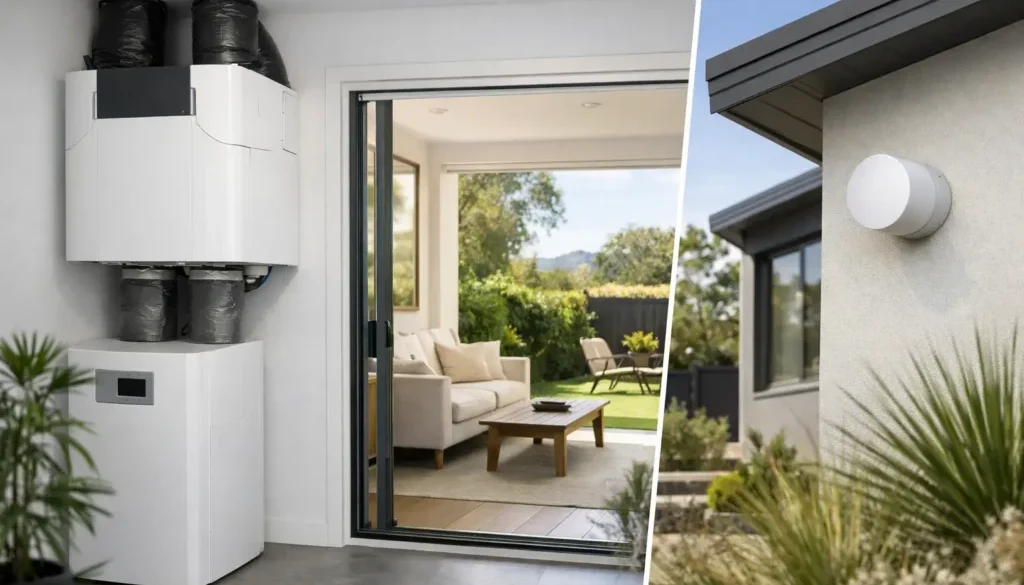
Stiebel Eltron’s centralised ventilation systems are commonly based on heat recovery ventilation, also known as HRV. The system extracts stale, humid air from wet rooms such as bathrooms, laundries and kitchens, while supplying filtered outdoor air to living spaces and bedrooms.
Inside the unit, a heat exchanger transfers much of the temperature energy from outgoing air to incoming air. During winter, this means fresh air can enter closer to the home’s internal temperature rather than arriving icy cold. In summer, the same principle can reduce the load created by hot outdoor air, although it is not a substitute for air conditioning.
The practical benefit is controlled air exchange. Rather than waiting for moisture to settle on windows, plaster or wardrobes, the system continually removes humid indoor air. This can be valuable for families dealing with condensation, allergy concerns, lingering odours or a home that is shut tight for much of the day.
Stiebel Eltron ventilation review: the main strengths
The strongest case for a Stiebel Eltron system is whole-home performance. A properly planned central system does not simply move air around one room. It establishes a deliberate path: clean air is supplied where people spend time, then drawn through the home and exhausted from the areas producing most moisture.
That is a significant advantage over occasional window opening or a basic bathroom exhaust fan. A fan may clear steam immediately after a shower, but it does not necessarily deliver fresh filtered air to bedrooms overnight or address stale air through the rest of the home.
Better comfort than uncontrolled ventilation
Many homeowners hesitate to ventilate because they associate fresh air with draughts and higher heating bills. Heat recovery addresses that concern more effectively than simple extract-only systems. It retains a proportion of the energy that would otherwise leave with stale air, helping the home feel more stable through Melbourne’s cooler months.
Results depend on the building, duct design, commissioning and how occupants use the system. Still, in a reasonably airtight new build or renovation, heat recovery can offer a noticeably more comfortable way to ventilate than leaving windows cracked open all winter.
Filtration and fresher bedrooms
Outdoor air is not always clean. Pollen, dust and fine particles can be an issue, particularly near busy roads, building works or during smoky conditions. Stiebel Eltron systems use filters on incoming air, which can improve the quality of air being introduced to the home when filters are selected and maintained appropriately.
For people with allergies or asthma, that does not make a ventilation system a medical treatment. It can, however, reduce reliance on uncontrolled window ventilation and provide a more consistent supply of filtered fresh air. Bedrooms are often where households notice the benefit first: less stuffiness overnight and fewer morning condensation problems when the system is correctly sized.
A premium option for integrated homes
Stiebel Eltron is often considered alongside other high-quality European ventilation brands because its systems suit homes where energy efficiency and long-term comfort are priorities. It can be particularly appropriate for architect-designed homes, energy-conscious new builds and substantial renovations where ducts can be incorporated into the design early.
The equipment is only one part of that result. Quiet operation, balanced airflow and accessible filter locations all rely heavily on thoughtful installation. A premium unit connected to poorly sized ducts will not deliver a premium outcome.
The trade-offs homeowners should consider
A balanced review needs to acknowledge that heat recovery ventilation is not the automatic answer to every damp or mouldy home.
First, a centralised Stiebel Eltron system requires space. The unit, supply and return ductwork, ceiling grilles and condensate drainage all need to be accommodated. This is straightforward in many new builds, but can be more complicated in an occupied older home with limited roof cavity space.
Second, installation cost is usually higher than a positive pressure system, decentralised room ventilators or upgraded exhaust fans. The additional investment reflects the heat recovery unit, ductwork, controls, design time and installation labour. Whether it represents good value depends on the severity of the indoor air problem, the home’s layout, its airtightness and the owner’s long-term plans.
Third, maintenance is not optional. Filters need periodic inspection and replacement, while grilles and condensate components should be checked as part of routine servicing. Neglected filters can restrict airflow, reduce efficiency and undermine indoor air quality. This is manageable, but it should be factored into ownership from the start.
Finally, heat recovery ventilation cannot fix water entering the building. A leaking roof, rising damp, plumbing leak, failed waterproofing or poor external drainage needs to be rectified at the source. Ventilation manages airborne moisture and indoor pollutants; it does not make structural water ingress disappear.
Is it suitable for an existing Melbourne home?
Sometimes, yes. But existing homes need an honest assessment rather than a product-first recommendation.
If a house has accessible ceiling space and several recurring concerns – condensation, mould, stale bedrooms and bathroom moisture – central heat recovery may be a strong option. It can be especially effective where a renovation is already opening ceilings and walls, as duct routes can be planned with less disruption.
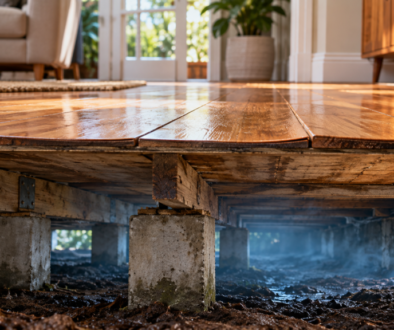
For homes with heritage features, shallow roof cavities or a problem concentrated in only one or two rooms, decentralised ventilation may be more practical. These units can provide room-by-room fresh air and heat recovery with much less ductwork. Where the issue is mainly subfloor dampness, underfloor ventilation and drainage improvements may take priority. Where moisture is moderate and the home is difficult to retrofit, a carefully designed positive pressure system may also be worth considering.
The right choice comes from diagnosing why the home is damp or stale, not from assuming every ventilation problem needs the same technology.
What to ask before choosing a system
Before committing to Stiebel Eltron ventilation, ask how the proposed system has been sized and what problem it is intended to solve. A useful proposal should identify the likely moisture sources, explain where air will enter and leave each zone, and show how the design avoids short-circuiting airflow between supply and extract points.
Ask where the unit and ducts will be located, how noise will be managed, and whether filter changes can be carried out easily. It is also sensible to confirm how the system will respond to bathroom humidity, cooking, overnight occupancy and very cold weather. Controls should be simple enough that the household will actually use them properly.
Commissioning matters just as much as selection. Once installed, the system should be tested and balanced so each room receives its intended airflow. This is the point at which a tailored ventilation specialist adds real value: the home, not the brochure, determines whether the system will perform as expected.
The verdict for homeowners
Stiebel Eltron ventilation is a credible premium choice for homeowners seeking filtered whole-home fresh air, better humidity management and lower ventilation-related energy losses. Its heat recovery approach is particularly compelling in well-sealed new homes and renovations, where the ductwork can be integrated properly and the household wants a long-term indoor air quality solution.
It is less compelling when the core problem is an unresolved building leak, when there is no viable route for ductwork, or when a localised ventilation solution would address the issue more efficiently. Price should also be assessed against the complete installed and commissioned system, not the unit alone.
For a home with recurring condensation, mould risk or stale indoor air, the most helpful next step is to understand the moisture pathway through the building. Once that is clear, a Stiebel Eltron system may be an excellent investment – or it may reveal that a simpler, more targeted solution will deliver the healthier, drier home you are looking for.