When Melbourne mornings are cold, most households do the same thing – shut the windows, turn on the heating, and keep the warmth in. It makes sense for comfort, but it also explains how stale air, condensation and musty rooms tend to show up at the same time each year. If you are wondering how to improve indoor air quality in winter, the answer is usually not more heating alone. It is better airflow, controlled moisture, and a home ventilation approach that suits the way your home is built and lived in.
Winter air quality problems are often less about the outdoor air and more about what gets trapped indoors. Everyday activities such as showering, cooking, drying clothes, and simply breathing add moisture and airborne particles to the home. Once the house is closed up, that build-up has nowhere to go. The result can be fogged windows, damp smells, mould growth, and rooms that feel stuffy even when they are warm.
Why indoor air quality often gets worse in winter
In winter, homes are naturally less ventilated. Windows stay shut for longer, exhaust fans may not run long enough, and insulation helps retain heat but can also reduce natural air leakage. That can be positive for energy efficiency, but it creates a trade-off. If stale, humid air is not being removed and replaced in a controlled way, comfort and air quality usually decline.
This becomes more noticeable in homes with high occupancy, airtight renovations, or moisture-prone areas such as bathrooms, laundries and south-facing bedrooms. Older homes can have a different issue. They may feel draughty in some parts, yet still trap moisture and pollutants in others because the airflow is inconsistent rather than properly managed.
Poor winter air quality is not only about comfort. It can affect health and the condition of the home itself. Condensation around windows and walls can lead to mould. Damp subfloors can contribute to odours and moisture transfer. Dust, allergens and fine particles can linger longer indoors when there is little fresh air coming in.
How to improve indoor air quality in winter at home
The most effective approach is to reduce indoor pollutants at the source, remove moist and stale air consistently, and bring in fresh air without making the house uncomfortably cold.
Start with moisture control
Excess moisture is one of the biggest winter air quality issues in Victorian homes. If moisture is not managed early, it tends to show up as condensation first and mould later. Running bathroom and laundry exhaust fans during and after use helps, but only if those fans are effective and venting properly. A weak or noisy fan that nobody wants to use often does very little.
Cooking also adds large amounts of steam and airborne grease. A ducted rangehood that vents outside is far more effective than a recirculating model for winter air quality. If your windows stream up after dinner, that is usually a sign the moisture load is staying inside.
Drying clothes indoors is another common factor. Sometimes it is unavoidable in winter, but it can release litres of moisture into the air. If indoor drying is necessary, it helps to isolate the space and ensure that area is ventilated. Otherwise, the rest of the home ends up carrying the moisture.
Let fresh air in, but do it strategically
Opening windows still has value in winter, just not all day and not in every room. Even a short burst of cross ventilation can help flush out stale air and reduce indoor humidity. The key is timing. Midday, when outdoor conditions are milder and drier, is usually more practical than early morning or late evening.
That said, window airing alone is not always enough, especially in homes dealing with persistent condensation, mould, or poor airflow between rooms. It also relies on the occupants remembering to do it consistently, which is not realistic for every household.
Use heating wisely
Heating helps with comfort, but it does not solve poor air quality on its own. In fact, warming a damp home without removing moisture can sometimes mask the problem rather than fix it. The room feels better temporarily, yet the underlying humidity remains.
Steady, even heating is generally better than short bursts of high heat. It can reduce cold surface temperatures where condensation forms, especially on windows and external walls. But if the home is moisture-laden, heating should be paired with proper ventilation or dehumidification.
Ventilation makes the biggest difference
For many homes, the long-term answer to how to improve indoor air quality in winter is mechanical ventilation. That means creating reliable air exchange rather than hoping natural airflow will take care of it.
The right system depends on the home. There is no single option that suits every property, and this is where tailored advice matters.
Exhaust-only solutions for problem areas
In some homes, better local extraction is enough to improve specific trouble spots. Upgrading bathroom, ensuite, kitchen or laundry extraction can reduce moisture where it is produced. This can be effective if the rest of the house already has decent airflow and the main issue is localised condensation.
The limitation is that exhaust-only systems remove air but do not actively supply fresh air to living spaces. In tightly sealed homes, that can leave other rooms feeling stale.
Positive pressure systems for stale air and condensation
Positive pressure ventilation systems introduce filtered air into the home, helping push out stale air and reduce humidity build-up. They are often considered in homes where condensation and musty air are recurring problems.
They can be a good fit in certain properties, particularly where the roof space conditions and home layout support that approach. But performance depends on the home itself. In colder climates or in homes with insulation and airtightness upgrades, other ventilation strategies may offer better all-round comfort and efficiency.
Heat recovery and energy recovery ventilation
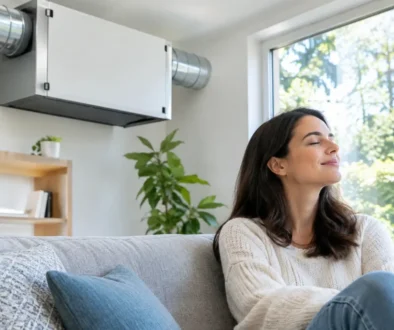
For homeowners who want fresh air without losing as much warmth, heat recovery ventilation and energy recovery ventilation are often the most balanced winter solution. These systems bring in filtered outdoor air and remove stale indoor air, while transferring heat from the outgoing air to the incoming air.
That matters in winter because it allows regular ventilation with less energy penalty than simply opening windows. It is particularly valuable in newer homes, renovated homes, and households focused on health, comfort and long-term efficiency.
Energy recovery systems can also help manage humidity more effectively in some conditions. Whether HRV or ERV is the better fit depends on the building envelope, indoor moisture levels, and how the home is occupied.
Decentralised and centralised systems
Some homes suit a centralised whole-home system, while others are better served by decentralised room-by-room units. A freestanding house with roof space access may lend itself to centralised ducting. An older home, apartment, or staged renovation may benefit from decentralised ventilation installed in key areas.
Neither approach is automatically better. The best result comes from matching the system to the property, not forcing the property to suit the system.
Other winter air quality factors homeowners often miss
Floor coverings, soft furnishings and clutter can hold dust and allergens, especially when windows stay closed. Regular vacuuming with a quality filter helps, as does keeping return air paths clear if a ventilation system is installed.
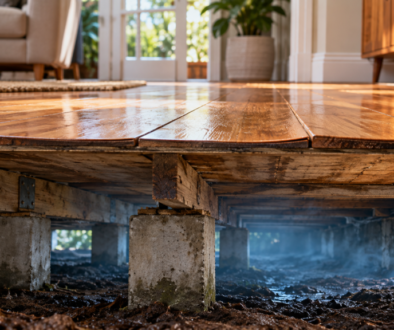
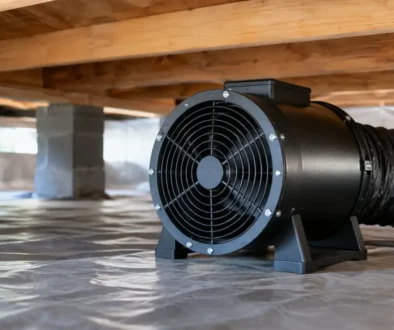
Subfloor dampness is another hidden contributor. If moisture is building up under the home, it can affect indoor air quality above. This is common in some older Victorian homes and can lead to persistent odours, cold floors and elevated moisture levels indoors.
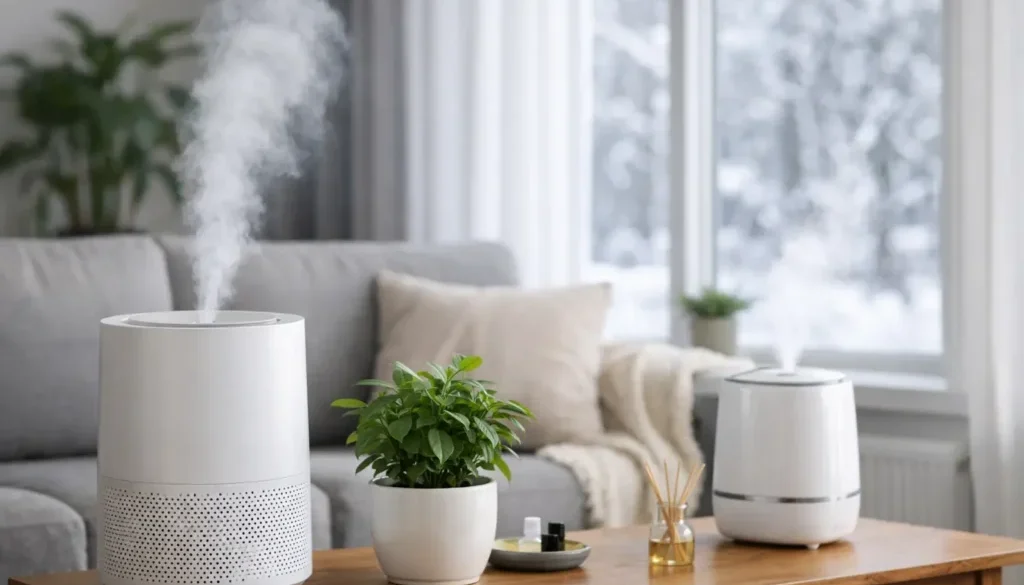
Air purifiers can help with particles such as dust, smoke and allergens, but they are not a full answer to winter humidity or condensation. They clean air already inside the room. They do not remove excess moisture or improve whole-home airflow. For some households, especially those with asthma or allergy concerns, they are a useful support measure rather than the main fix.
When a DIY approach stops being enough
If condensation keeps returning, mould reappears after cleaning, or parts of the house always feel damp and stale, it is usually a sign that passive measures are not enough. The same applies if one room is comfortable while another is cold, stuffy, or noticeably more humid.
At that point, it helps to look at the home as a system. Insulation, heating, extraction, fresh air supply, subfloor conditions and occupancy all affect the result. A professional assessment can identify whether the problem is localised, structural, or related to how air is moving through the property.
For Melbourne and Victorian homes, winter air quality is rarely solved by a single product off the shelf. The climate, construction style and layout all matter. That is why a consultative approach tends to deliver better outcomes than guessing between system types.
A healthier winter home should feel dry, fresh and consistently comfortable, not sealed up and stuffy. When ventilation is designed properly, you notice fewer wet windows, less lingering moisture, and air that feels cleaner from room to room. That is usually when winter starts to feel easier indoors, not just warmer.