A closed-up older home can feel comfortable on a cold Melbourne morning, yet still be collecting moisture on windows, holding stale air in bedrooms and feeding mould behind furniture. Learning how to ventilate older homes is not simply a matter of opening a window. It is about removing damp, polluted air reliably while protecting comfort, heating efficiency and the character of the home.
Older properties across Melbourne and Victoria often have inconsistent airflow. Some are draughty around doors and floorboards but have still, damp corners. Others have been renovated with new insulation, tighter windows and sealed gaps, reducing accidental ventilation without adding a planned fresh-air pathway. The result can be condensation, musty smells, allergy triggers and recurring mould.
Why older homes need a different ventilation approach
Many older homes were built before modern expectations around airtightness, insulation and indoor air quality. They may have high ceilings, chimneys, suspended timber floors, small bathrooms, limited roof-space access or additions that do not connect well with the original part of the house. These details affect where moisture collects and how air moves through the building.
A common assumption is that a draughty house is already well ventilated. Draughts are uncontrolled air leaks, not a dependable ventilation strategy. They can make living areas cold in winter while failing to clear humid air from bathrooms, kitchens, laundries and bedrooms. Good ventilation is deliberate: it brings fresh air in where it is needed and extracts stale, humid air from the places that produce it.
Melbourne’s weather adds another consideration. Cold mornings can create heavy window condensation when warm indoor air meets cold glass. At other times, a damp spell can make a poorly ventilated home feel clammy even when it is not particularly cold. A system needs to suit the home, the household and local conditions rather than relying on one response for every season.
Start by finding the source of the moisture
Before choosing equipment, distinguish between a ventilation issue and a building moisture issue. Mechanical ventilation can manage everyday humidity, but it will not repair a leaking roof, rising damp, damaged plumbing or poor drainage around the home. Those defects need attention first.
Look for the pattern. Condensation that appears mainly on bedroom windows in the morning points to moisture from breathing overnight combined with limited fresh-air exchange. Mould around shower ceilings may indicate weak bathroom extraction or an exhaust fan that is not ducted outside. A persistent musty smell and damp floorboards can suggest subfloor moisture. Mould behind wardrobes or beds is often caused by a cold external wall, limited air movement and moisture held indoors.
It also helps to consider household habits. Long showers, indoor clothes drying, unvented gas appliances, aquariums and a busy family home can add substantial moisture to the air. This is not a reason to stop living normally. It is a reason to give that moisture a reliable way out.
How to ventilate older homes effectively
The best approach usually combines source control, effective extraction and continuous whole-home air movement. Opening windows remains useful when outdoor conditions are favourable, especially after cooking or showering. However, it depends on someone being home, willing to open them and able to do so safely. It can also bring in pollen, traffic noise, bushfire smoke or cold winter air.
For ongoing results, mechanical ventilation provides consistency. The right option depends on the layout, moisture risk, insulation level, access for ducting and whether the home is being renovated or occupied.
Improve extraction where moisture is made
Bathrooms, laundries and kitchens are the first places to assess. A bathroom fan should remove humid air outdoors, not into the roof cavity, where it can contribute to roof-space condensation and timber moisture. It should be correctly sized, ducted and commissioned so it actually performs at the grille rather than merely making noise.
Timers or humidity controls can make a major difference. A fan that continues operating after a shower removes moisture that would otherwise migrate into hallways and bedrooms. Kitchen rangehoods should vent outdoors where practical, particularly in homes where cooking odours and moisture linger.
Local extraction is essential, but it is not the full answer for an older home with widespread condensation or stale air. It treats the wet rooms while the rest of the house may still lack a controlled supply of fresh air.
Consider a positive pressure ventilation system
Positive pressure systems introduce filtered air, typically from the roof space or outdoors depending on the design, and gently encourage stale indoor air to leave through existing leakage paths and purpose-made outlets. They can be a practical option for some older homes, particularly where installation access is straightforward and the building is not highly airtight.
The system needs careful assessment. Roof-space air quality, insulation condition, outdoor air pathways and the home’s leakage profile all matter. Positive pressure may help reduce condensation in suitable properties, but it is not a universal cure for mould or structural damp. It must be matched to the cause of the problem.
Use balanced ventilation for controlled fresh air
Balanced mechanical ventilation supplies fresh, filtered air and extracts stale air at the same time. It gives greater control over where air enters and leaves, which can be especially valuable in renovated older homes that have become more airtight.
A centralised system uses ductwork to serve multiple rooms from one main unit. This can suit substantial renovations, homes with accessible roof space or projects where ceilings are already being opened. It creates a coordinated whole-home solution but requires thoughtful design and installation planning.
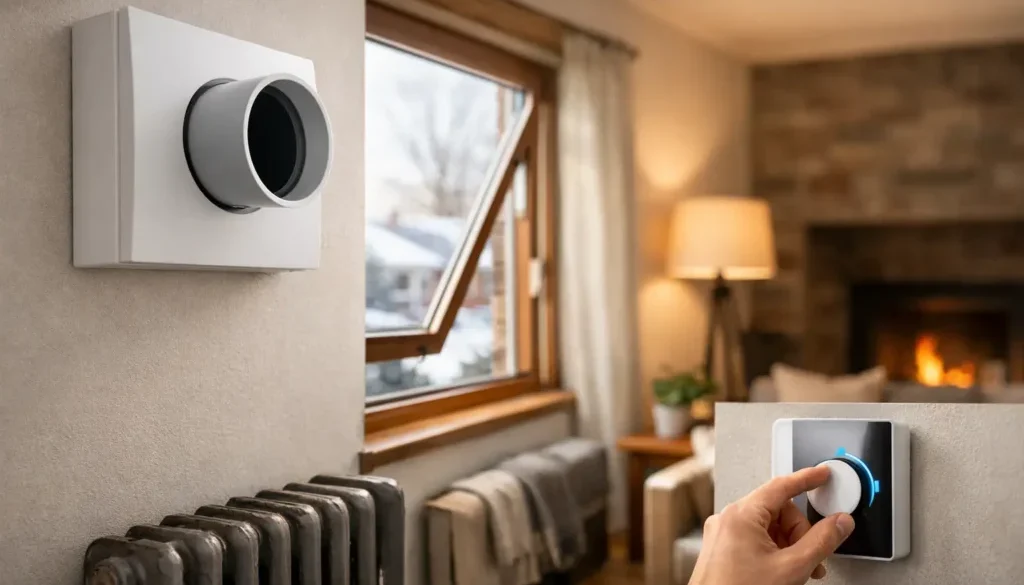
Decentralised ventilation uses compact room-based units, often installed through external walls. These can be well suited to established homes where extensive ducting would be disruptive. They may be installed in key bedrooms, living areas or problem zones, then paired with effective wet-area extraction. The best layout depends on how occupants use the home and where moisture or stale air is most noticeable.
Recover heat instead of throwing it away
For homeowners concerned that ventilation will make the house colder, heat recovery ventilation is worth considering. Heat recovery ventilation, often called HRV, transfers heat from outgoing stale air to incoming fresh air without mixing the two air streams. Energy recovery ventilation, or ERV, can also transfer some moisture, which may be beneficial in certain climates and household conditions.
These systems can improve winter comfort and reduce the heating penalty of continuous ventilation. They are particularly effective when a home has reasonable airtightness and a well-designed air distribution plan. In a very leaky weatherboard house, improving major uncontrolled gaps and insulation may be part of the broader solution before expecting maximum efficiency from heat recovery.
Heat recovery is not the same as a heat transfer system. A heat transfer system redistributes warm air from one area, such as a living room, to another. It can help with uneven temperatures, but it does not introduce fresh outdoor air or remove humidity in the way a dedicated ventilation system does.
Do not overlook the subfloor
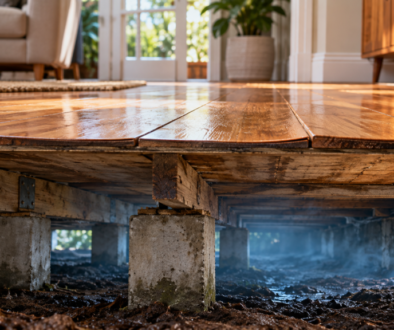
Suspended timber floors are common in older Victorian homes, and the subfloor can influence the air quality upstairs. Poor drainage, blocked vents, plumbing leaks and limited underfloor airflow can leave the subfloor damp. That moisture may contribute to musty odours, timber deterioration and a colder-feeling floor.
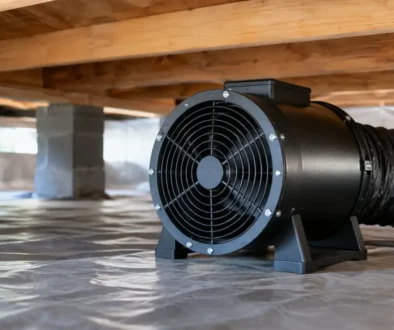
Subfloor ventilation may use passive vents, mechanical fans or a combination of drainage and ventilation improvements. The right method depends on the ground conditions, existing vent locations, clearance, moisture readings and whether outside air can move freely beneath the home. Simply adding a fan without understanding where the air will enter and exit may deliver little benefit.
Avoid common ventilation mistakes
Dehumidifiers can be useful as a short-term tool or for a specific room, but they do not replace ventilation. They collect water from the air without removing carbon dioxide, odours, volatile organic compounds or other indoor pollutants. They also require regular emptying and work best in contained spaces.
Avoid permanently blocking wall vents, chimney vents or subfloor openings just to stop a draught. If a vent causes discomfort, the answer may be better placement, controlled ventilation or draught sealing elsewhere. Blocking it without a plan can shift moisture to a less visible and more damaging location.
Likewise, do not assume larger is better. Oversized fans can be noisy, create uncomfortable drafts and use more energy than necessary. Quiet, correctly designed systems are more likely to run consistently, which is what improves indoor air quality over time.
A home-specific design delivers better results
Every older home has its own airflow story. A brick Californian bungalow, a weatherboard cottage and a 1970s house with a later extension will not respond to the same solution. An effective assessment considers room layout, window condensation, wet areas, roof and subfloor access, heating type, insulation, family routines and any health concerns such as asthma or allergies.
For some homes, upgraded bathroom extraction and targeted decentralised units will be enough. Others may benefit from a whole-home heat recovery system, positive pressure ventilation or subfloor treatment alongside building repairs. Ecoflow Ventilation designs recommendations around these practical differences, with the aim of creating healthier air without unnecessary disruption.
The most useful next step is to treat recurring condensation or mould as information about how the home is performing. Once the moisture source and airflow pattern are understood, a well-designed ventilation solution can make the home feel fresher, drier and more comfortable through Melbourne’s changing seasons.