A bedroom can look spotless and still trigger a blocked nose, itchy eyes or a night of coughing. Pollen can enter each time a window is opened, while dust mites and mould thrive when indoor moisture is left unmanaged. The best ventilation for allergy sufferers is not simply a stronger fan or more open windows. It is a properly designed system that brings in fresh air, manages humidity and, where needed, filters outdoor particles before they circulate through the home.
For Melbourne and Victorian homes, the right answer depends on the allergen, the home’s construction and the existing moisture problem. A ventilation system should improve air quality without making rooms uncomfortably cold in winter, overly humid in summer or expensive to run.
Why ventilation matters for allergy symptoms
Allergies are often associated with spring pollen, but indoor triggers can be present year-round. House dust mites favour warm, humid rooms and commonly collect in bedding, carpets and upholstered furniture. Mould releases spores into the air when condensation, a damp bathroom, a roof leak or a wet subfloor creates the conditions for growth. Pet dander and outdoor pollution can also linger when a house has poor air exchange.
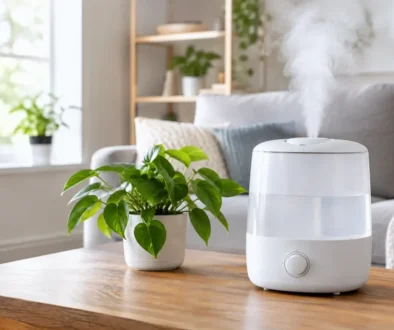
Ventilation helps by replacing stale indoor air with fresh outdoor air and by removing water vapour created through showers, cooking, drying clothes and everyday living. Lower, steadier humidity makes the home less hospitable to dust mites and reduces the chance of condensation feeding mould.
However, fresh air alone is not always enough. During high-pollen periods, opening windows can increase exposure. This is why an allergy-focused approach needs to consider controlled air supply, filtration and the timing of ventilation, rather than relying on natural airflow alone.
What the best ventilation for allergy sufferers should do
A useful system should address three connected jobs: remove moisture and stale air, provide a reliable path for fresh air to enter, and avoid introducing unnecessary pollutants or allergens. The balance matters.
Extraction is particularly important in bathrooms, laundries and kitchens, where moisture loads are highest. A fan that runs only while someone is in the shower may not clear all of the humid air. A correctly sized system with run-on controls, humidity sensing or continuous low-level operation can keep moisture from settling on windows, walls and ceilings.
Fresh-air supply is equally important. If a home is tightly sealed after renovations or double glazing upgrades, extraction without planned replacement air can be ineffective. Air will find its way in through gaps, but not necessarily from the cleanest or most suitable location. Purpose-designed supply ventilation gives that air movement a clear route.
For allergy households, filtration is the third consideration. Filters can reduce particles entering through a mechanical fresh-air system, but their effectiveness depends on the filter grade, system design and ongoing maintenance. A neglected filter can restrict airflow and undermine the system’s performance.
Comparing home ventilation options
There is no single product that suits every allergy sufferer. The layout of the home, whether it has existing mould or subfloor dampness, and the family’s sensitivity to pollen all affect the recommendation.
Heat recovery and energy recovery ventilation
Heat recovery ventilation, often called HRV, continuously extracts stale air from wet areas and supplies filtered outdoor air to living spaces and bedrooms. In colder weather, it transfers much of the heat from outgoing air to incoming air. This makes it a strong option for homes where windows are regularly kept shut due to cold weather, traffic noise or pollen.
Energy recovery ventilation, or ERV, works on a similar principle but also moderates some moisture transfer between the outgoing and incoming airstreams. This can be valuable where humidity management and comfort are both priorities. The best choice between HRV and ERV depends on the home and local conditions, not just the label on the unit.
These centralised systems can provide excellent whole-home control and are especially suitable for new builds or major renovations where duct routes can be planned. The trade-off is that installation is more involved than a single-room solution. Good design is essential to keep airflow balanced, limit noise and ensure bedrooms receive the fresh-air supply they need.
Decentralised ventilation for existing homes
Decentralised systems use compact units installed through external walls, often serving individual rooms or paired rooms. They can offer filtered, controlled ventilation without the need to run ducts throughout the house.
For an older Melbourne home, this can be a practical path where access to ceiling cavities is limited or a staged installation makes more sense. A unit in a bedroom can be particularly helpful for a person whose symptoms are worse overnight. It will not, by itself, solve moisture or air-quality issues across an entire large home, so placement and the wider ventilation plan still matter.
Positive pressure systems
Positive pressure ventilation introduces filtered air into the home, creating gentle pressure that encourages stale air to leave through existing openings and purpose-designed exhaust points. It may improve the feel of a stale home and can assist in some condensation situations.
Its suitability for allergy sufferers depends heavily on the source of the incoming air and the available filtration. A system drawing air from a roof space needs careful assessment, as roof cavities can become very hot, dusty or contaminated. Positive pressure is not a substitute for extracting moisture at its source, particularly in bathrooms and laundries. In homes with significant dampness, mould or poor subfloor conditions, the underlying cause must be addressed rather than simply pushing air around.
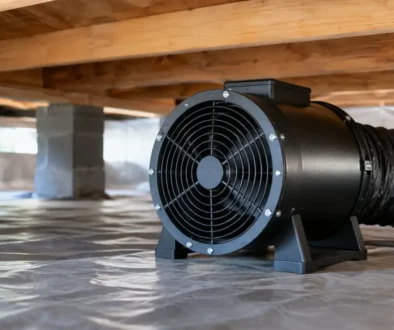
Subfloor ventilation where dampness starts below
Musty odours, cold timber floors and recurring mould can sometimes point to moisture beneath the home. A damp subfloor can affect indoor air quality as air and odours move upward through gaps in flooring, service penetrations and wall cavities.
Subfloor ventilation can help remove trapped damp air and protect timber components, but it must be tailored to the site. Drainage issues, ground moisture, blocked vents and insufficient cross-flow may all be contributing. For allergy households, resolving subfloor dampness can be as important as choosing a bedroom air-supply system, because mould control starts with moisture control.
Filtration: useful, but not a magic fix
A filter should be selected for the particles of concern and the capacity of the ventilation equipment. Finer filters can capture more small particles, including a portion of pollen and airborne dust, but they create more resistance to airflow. If the fan and ductwork have not been designed for that resistance, the system may deliver less air than intended.
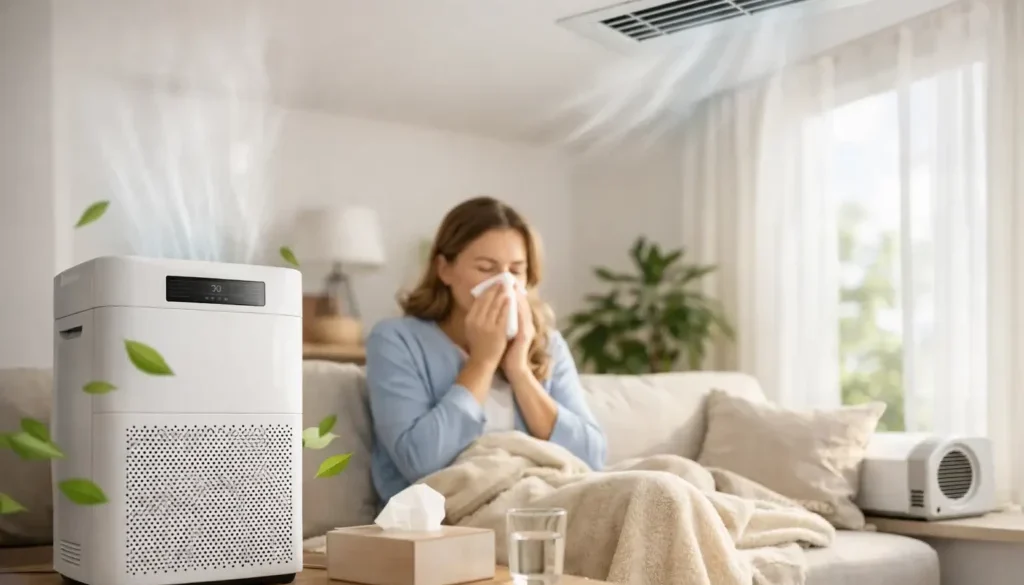
Pollen is relatively large compared with many other airborne particles, so appropriate fresh-air filtration can make a meaningful difference during peak pollen days. Very fine particles and smoke may need a higher-grade filter solution, subject to the system specification. Portable air purifiers can also be a useful complement in bedrooms, but they do not remove moisture, carbon dioxide or odours in the way ventilation does.
Maintenance is part of the health benefit. Filters need inspection and replacement on the manufacturer’s schedule, and sooner where there is heavy dust, nearby construction or bushfire smoke. Supply grilles, exhaust grilles and ducts should also remain clean and unobstructed. A ventilation system cannot perform properly if its airflow path is blocked.
Reduce allergens alongside mechanical ventilation
Ventilation works best as part of a sensible indoor-air plan. Repair water leaks promptly, use kitchen extraction whenever cooking, and avoid drying washing indoors unless the space is well ventilated. Keep bathroom doors closed during showers, then allow the extraction system time to clear humidity.
For dust mite sensitivity, aim for consistent humidity control rather than chasing a single reading on one day. Wash bedding regularly, use a vacuum with effective filtration and reduce dust-holding clutter in bedrooms where practical. If pollen is a major trigger, keep windows closed on high-pollen or windy days and rely on filtered mechanical ventilation where possible.
Mould should never be treated as a cosmetic cleaning issue alone. Cleaning visible growth without fixing condensation, water entry or inadequate airflow often leads to its return. Where mould is extensive or recurring, identifying the moisture source is the first priority.
A home-specific design delivers better results
The right system begins with understanding how air and moisture move through the home. A single-storey weatherboard house, a sealed new townhouse and a home with a damp subfloor each need different solutions. Room use also matters: bedrooms need quiet, steady fresh air, while bathrooms and laundries need dependable extraction.
A professional assessment can consider the home’s layout, insulation, existing fans, window condensation, roof-space conditions, subfloor access and the family’s particular allergy concerns. From there, a tailored combination of extraction, filtered supply air, heat or energy recovery, and moisture management can be designed around the building rather than forced into it.
For allergy sufferers, the goal is not to make a home airtight or to rely on one device in one room. It is to create a drier, cleaner and more predictable indoor environment, so the air in the place you rest feels like part of the solution rather than another trigger.