Condensation streaming down bedroom windows on a cold Melbourne morning is not just an inconvenience to wipe away. It is often a sign that indoor moisture is building up faster than the home can remove it. Professional home ventilation services address that imbalance by bringing controlled fresh air into the home and moving humid, stale air out.
For households dealing with recurring mould, musty smells, allergies, damp subfloors or rooms that never seem to feel fresh, ventilation can be a practical part of the solution. The right system is not chosen from a shelf. It is designed around the way your home is built, how it is used and where the moisture problem is occurring.
Why homes need planned ventilation
Modern living creates a surprising amount of water vapour. Cooking, showering, drying clothes indoors and simply breathing all add moisture to the air. In an older home, air may leak through gaps around floors, chimneys and windows. In a newer, better-sealed home, that uncontrolled air movement is often reduced, which is good for energy efficiency but can leave moisture with fewer ways to escape.
When warm, humid indoor air meets a cold surface, such as glass, external walls or roof spaces, water can condense. Over time, persistent dampness can support mould growth, damage finishes and create an uncomfortable environment for people with asthma or allergies. Cleaning mould may improve appearances temporarily, but it does not remove the moisture source that allowed it to return.
Ventilation provides controlled air exchange. Rather than relying on open windows, exhaust fans used only occasionally or random gaps in the building, a mechanical system works consistently and can be matched to the home’s needs. It can help manage humidity while supporting a more comfortable, healthier indoor environment.
What a home ventilation assessment should consider
A useful recommendation starts with investigation, not a standard product quote. A two-storey townhouse with window condensation needs a different approach from a weatherboard home with damp air rising from beneath timber floors.
During a home-specific assessment, a ventilation specialist should look at where moisture is most visible, but also where it may be travelling from. This can include bathrooms and laundries, roof cavities, subfloors, kitchens, bedrooms and living areas. The home’s orientation, insulation, glazing, heating habits, occupancy and existing exhaust arrangements all affect the final design.
It also matters whether the issue is moisture produced indoors, water entering through a building defect, or both. Ventilation cannot fix a leaking roof, failed waterproofing or drainage problem. Those issues need repair first. However, once water ingress is addressed, well-designed ventilation can reduce residual dampness and help prevent moisture from accumulating again.
Home ventilation services and system options
There is no single best ventilation system for every Victorian home. The most suitable option depends on the cause of the problem, the layout of the property, available installation space and the outcome you want to achieve.
Positive pressure ventilation
Positive pressure systems introduce filtered air into the home, creating gentle pressure that encourages stale indoor air to move out through existing openings. They can be useful in some homes where stale air, window condensation and general moisture are concerns.
Their performance depends heavily on the building and the source of incoming air. In cooler conditions, introducing air from a roof space without appropriate consideration can be unsuitable, particularly if the roof cavity is dusty or becomes very hot in summer. A properly designed system considers air source, filtration, controls and whether positive pressure is genuinely appropriate for the home.
Heat recovery and energy recovery ventilation
Heat recovery ventilation, often called HRV, extracts stale air while supplying filtered fresh air. The two air streams pass through a heat exchanger, allowing much of the heat from outgoing air to be transferred to incoming air without mixing the air itself. This makes it especially valuable in well-sealed homes where fresh-air ventilation is needed without wasting as much heating energy.
Energy recovery ventilation, or ERV, goes a step further by transferring some moisture as well as heat. It can be worth considering where humidity management and year-round comfort are priorities. The right choice between HRV and ERV depends on climate, household habits and the home’s overall thermal performance.
These systems require careful duct design, suitable locations for supply and extract points, and commissioning after installation. They are often an excellent option for new builds and major renovations, though they can also be installed in selected existing homes where access allows.
Decentralised ventilation
Decentralised systems use smaller wall-mounted units instead of a central duct network. They can provide room-by-room fresh-air exchange and heat recovery, making them particularly helpful where ducting is difficult or disruptive to install.
For an existing home with persistent condensation in bedrooms or a poorly ventilated living area, decentralised units can offer a targeted solution. They do not necessarily replace the need for effective bathroom and kitchen extraction, but they can form part of a balanced whole-home strategy.
Subfloor ventilation
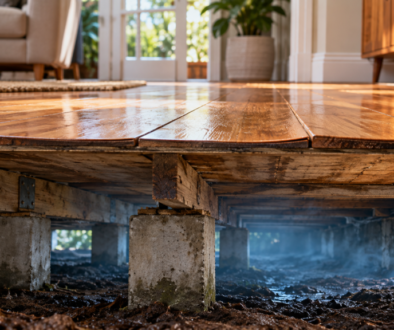
A damp, musty smell under the house, cold timber floors or signs of moisture below a suspended floor can indicate poor subfloor airflow. Left untreated, underfloor dampness may contribute to mouldy odours indoors and can place timber framing and flooring at risk.
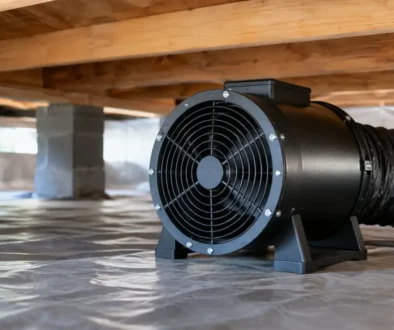
Subfloor ventilation uses appropriately placed fans and vents to move damp air out from beneath the home. It is important to assess external drainage, ground moisture, blocked vents and plumbing leaks at the same time. Fans alone are not a substitute for correcting water entering the subfloor, but they can be highly effective when they are part of a complete moisture-control plan.
Heat transfer systems
A heat transfer system redistributes warmth from a heated area, commonly a room with a wood heater, to cooler parts of the house. It can improve comfort and reduce temperature differences between rooms. While it supports airflow and comfort, it is not the same as a dedicated fresh-air ventilation system and should not be relied on as the primary answer to a mould or humidity issue.
Signs it is time to seek professional advice
Some homes make their ventilation problems obvious. Others show smaller patterns that are easy to dismiss until damage or mould becomes widespread. It is sensible to arrange an assessment if you notice several of the following concerns:
- Condensation forming regularly on windows, especially in bedrooms
- Mould returning on walls, ceilings, behind furniture or inside wardrobes
- Damp, stale or musty smells that persist after cleaning and airing out rooms
- High humidity after showers or cooking that lingers for hours
- Cold, damp floors or a musty odour rising from beneath the house
- Family members experiencing more irritation from allergies or asthma indoors
These signs do not always point to one cause, which is why diagnosis matters. For example, mould behind a wardrobe may be related to limited air circulation and a cold external wall, while mould in a bathroom may be caused by an undersized exhaust fan, poor ducting or a fan that is switched off too soon.
What professional installation changes
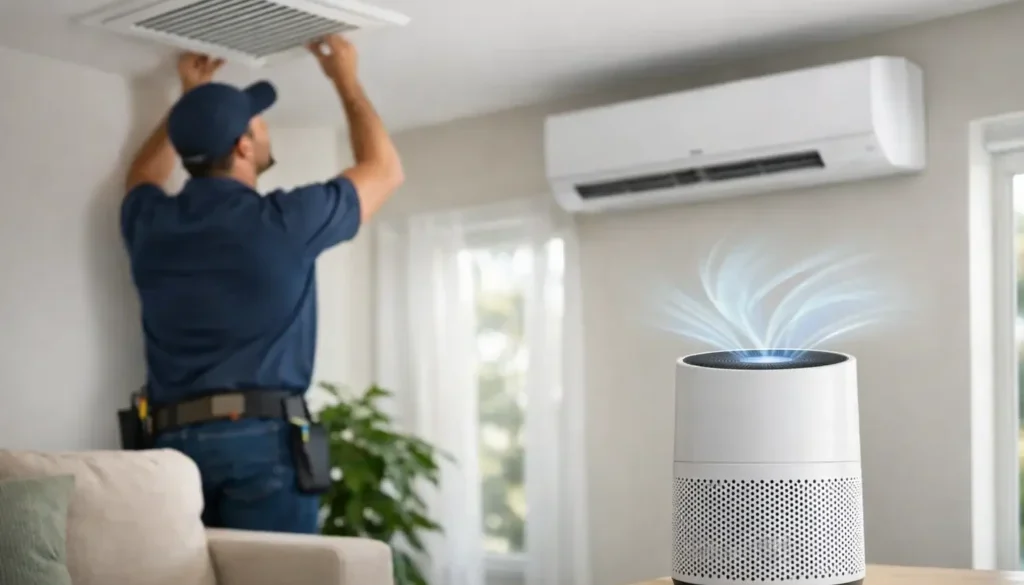
A ventilation system is only as effective as its design and installation. Fan capacity, duct lengths, grille positions, airflow pathways, noise levels and controls all influence how the system performs in daily life. Oversized equipment can be unnecessarily noisy or energy-hungry, while undersized equipment may fail to manage moisture where it matters.
Professional installation also helps ensure that extraction points are located near moisture sources and fresh-air supply reaches occupied rooms. In a balanced system, the aim is not to create a draught. It is to create gentle, reliable air movement that people can live with every day.
For Melbourne homes, seasonal conditions make this especially relevant. Winter condensation calls for moisture management without making rooms uncomfortably cold, while summer operation should support comfort without drawing in unwanted heat. Quality controls, filters and maintenance access are not minor details. They determine whether a system remains useful long after installation day.
Ecoflow Ventilation takes a consultative approach because healthier indoor air is rarely achieved by fitting the same equipment in every house. A considered design can protect comfort, energy efficiency and the long-term condition of the property at the same time.
A home should not have to smell damp, feel stale or collect water on the windows every winter. Once the underlying moisture pathways are understood, the right ventilation approach can make clean, dry, comfortable air a more dependable part of everyday life.