Condensation streaming down bedroom windows on a cold Melbourne morning is more than a cleaning problem. It is often a sign that moist indoor air has nowhere reliable to go. Mechanical ventilation for homes provides controlled fresh-air exchange, helping to reduce humidity, stale air and the conditions that allow mould to return.
Opening windows can certainly help at the right time, but it is not a dependable whole-home strategy. Windows are usually kept shut during cold weather, rain, high pollen days, overnight or when security is a concern. A properly designed ventilation system keeps working in the background, without relying on someone remembering to air the house out.
Why homes need managed airflow
Modern homes are often better sealed than older ones, which is useful for comfort and energy efficiency. However, a tighter building envelope also holds onto moisture and airborne pollutants. Everyday living adds a surprising amount of water vapour indoors through showers, cooking, clothes drying, breathing and even houseplants.
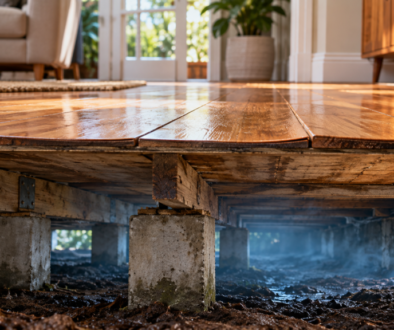
Without enough air exchange, that moisture can settle on colder surfaces such as windows, external walls and ceilings. Over time, this may contribute to peeling paint, musty odours, mould growth and damage to timber or plaster. In homes with elevated timber floors, dampness below the house can create a separate but related problem, affecting floor comfort and the condition of structural timbers.
Ventilation is also about the air you breathe. Carbon dioxide, cooking odours, fine particles, cleaning-product fumes and allergens can build up in occupied rooms. Good mechanical ventilation removes stale indoor air and introduces filtered outdoor air in a controlled way, improving comfort without treating the home as a collection of isolated rooms.
Mechanical ventilation for homes is not one system
The right solution depends on the home, the moisture source and how the property is used. A system that works brilliantly in a new airtight build may not suit a 1970s brick veneer home with a damp subfloor. This is why diagnosis matters before selecting equipment.
Positive pressure ventilation
A positive pressure system introduces filtered air into the home, creating gentle pressure that encourages stale indoor air to leave through existing gaps and outlets. It can be a practical option for some existing homes, particularly where stale air and window condensation are ongoing concerns.
Its performance depends on the building layout, the available air pathways and outdoor conditions. Positive pressure is not a universal cure for every moisture issue. For example, water leaks, rising damp or a poorly ventilated bathroom still need to be addressed directly.
Balanced ventilation with heat or energy recovery
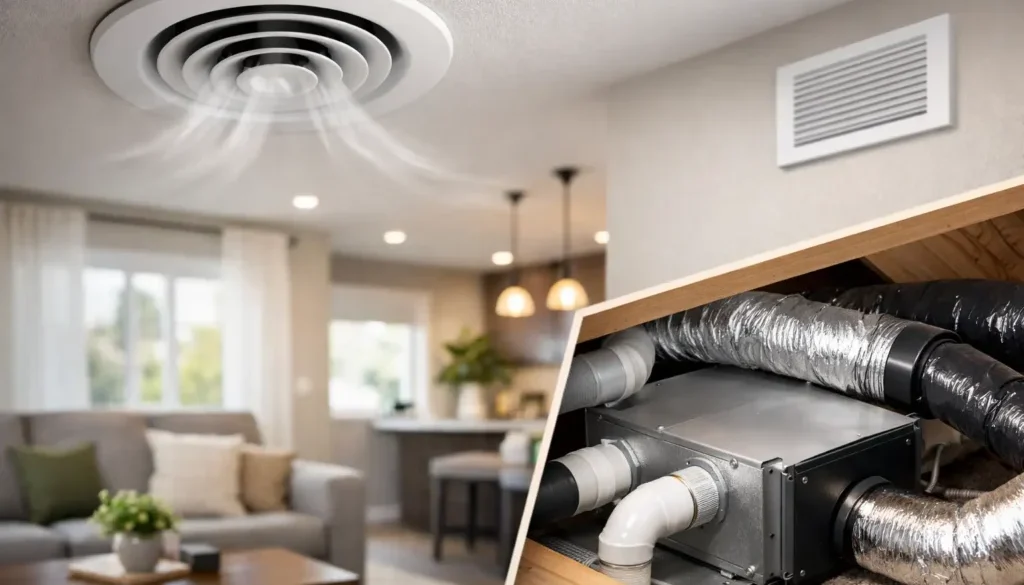
Balanced systems mechanically supply fresh air and extract stale air at matched rates. Heat recovery ventilation, often called HRV, transfers heat from outgoing air to incoming air. Energy recovery ventilation, or ERV, can also transfer some moisture, which can be useful in particular climates and homes.
These systems are especially valuable in well-sealed new builds and major renovations because they provide predictable airflow without wasting as much heating or cooling energy. They require thoughtful duct design, suitable space for equipment and professional commissioning. The upfront investment can be higher, but the benefits in comfort, air quality and running efficiency can be substantial.
Decentralised ventilation
Decentralised units are installed through external walls and serve individual rooms or connected areas. They are often well suited to renovations, apartments or existing homes where running extensive ductwork is impractical.
Some decentralised heat recovery systems work in paired cycles, with one unit extracting air while another supplies fresh air. This approach can target bedrooms, living spaces or problem rooms while limiting disruption to ceilings and roof spaces. It is not always the best choice for a large home with widespread moisture issues, but it can be an excellent fit where targeted ventilation is needed.
Exhaust, subfloor and heat transfer systems
Bathrooms, laundries and kitchens need effective extraction at the source of moisture. An exhaust fan that only moves air into a roof cavity does not solve the problem. Extracted air should be ducted appropriately to the outside, and the fan needs sufficient capacity for the room and use pattern.
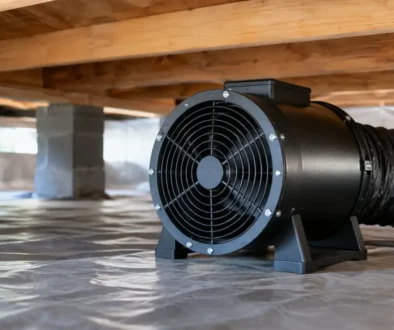
Subfloor ventilation is designed for a different zone of the house. It improves air movement beneath suspended floors, helping reduce damp smells, excess moisture and the risk of timber deterioration. If the ground beneath the home is wet due to drainage problems or plumbing leaks, those causes should be repaired as well.
Heat transfer systems move warmth from one part of the home to cooler rooms. They can improve winter comfort, but they are not a replacement for fresh-air ventilation. A heat transfer system redistributes indoor air rather than consistently removing moisture-laden or stale air from the building.
Signs your home may benefit from ventilation
Recurring mould after cleaning is one of the clearest warning signs, particularly when it appears on external walls, behind furniture, around window frames or on ceilings. Other common indicators include windows sweating in winter, lingering cooking smells, a heavy or stuffy feeling in bedrooms, damp odours, cold floors and mustiness beneath the house.
These symptoms do not automatically mean one ventilation product is required. Condensation can result from high indoor humidity, insufficient extraction, cold building surfaces, poor insulation, thermal bridging or a combination of factors. Mould can also be linked to plumbing leaks and rainwater ingress. Treating the visible mould without identifying the moisture source usually leads to another round of cleaning later.
What a well-designed system should do
A home ventilation system should be quiet enough to run regularly, energy-conscious and designed around how your household actually lives. That means considering the number of occupants, whether clothes are dried indoors, which rooms are closed overnight, the home’s orientation, existing heating and cooling, roof space access and any known damp areas.
Air needs to travel through the home, not simply enter and stop. Fresh air is generally supplied to living areas and bedrooms, while stale air is removed from wet rooms such as bathrooms, laundries and kitchens. Door undercuts, transfer grilles or other planned pathways may be needed to allow that circulation.
Controls matter too. Humidity sensors, timers and variable fan speeds can help a system respond to real conditions rather than operating at full output unnecessarily. Filters require periodic checking and replacement, particularly where outdoor dust, smoke or pollen are concerns. Like any home service, ventilation performs best when it is maintained rather than forgotten after installation.
Energy efficiency without trapping moisture
Homeowners sometimes worry that ventilation will make a house cold or increase power bills. Uncontrolled draughts can certainly waste energy, but deliberate ventilation is different. The aim is to exchange the right amount of air, in the right locations, while reducing unnecessary heat loss.
Heat recovery systems are particularly effective where a home is airtight and heated or cooled regularly. In other homes, a simpler decentralised, positive pressure or extraction-led approach may deliver more appropriate value. The best option is not necessarily the most complex system. It is the one that addresses the actual moisture and air-quality problem without creating new comfort or running-cost concerns.
Start with the cause, not the catalogue
Before choosing mechanical ventilation, look at the full picture: where condensation forms, when mould appears, whether bathroom fans vent outdoors, how the subfloor smells, and whether water is entering from plumbing, drainage or the building exterior. A room-by-room assessment gives far better direction than selecting a system based on a neighbour’s experience or a single online claim.
For Melbourne and Victorian homes, seasonal weather changes, cold winter surfaces and varied housing styles make tailored advice particularly valuable. Ecoflow Ventilation designs systems around the building and its occupants, whether the priority is healthier bedroom air, condensation control, a dry subfloor or a whole-home solution.
A home should feel fresh without feeling draughty, and dry without having to keep every window open. Finding the right balance starts with understanding how air and moisture are moving through your particular home.