Condensation running down bedroom windows on a cold Melbourne morning is not simply an inconvenience. It is often a sign that your house ventilation is not removing enough moisture and stale air from the home. Left unmanaged, that moisture can feed mould, create musty odours, affect comfort and, in some cases, contribute to damage beneath floors, behind furniture and inside roof spaces.
Opening a window can help in the right conditions, but it is not a complete ventilation strategy. Modern homes are often more airtight than older homes, while older properties may have particular dampness issues in subfloors or poorly ventilated rooms. The right solution depends on where the moisture is coming from, how the home is built and how your household uses it.
What house ventilation is designed to do
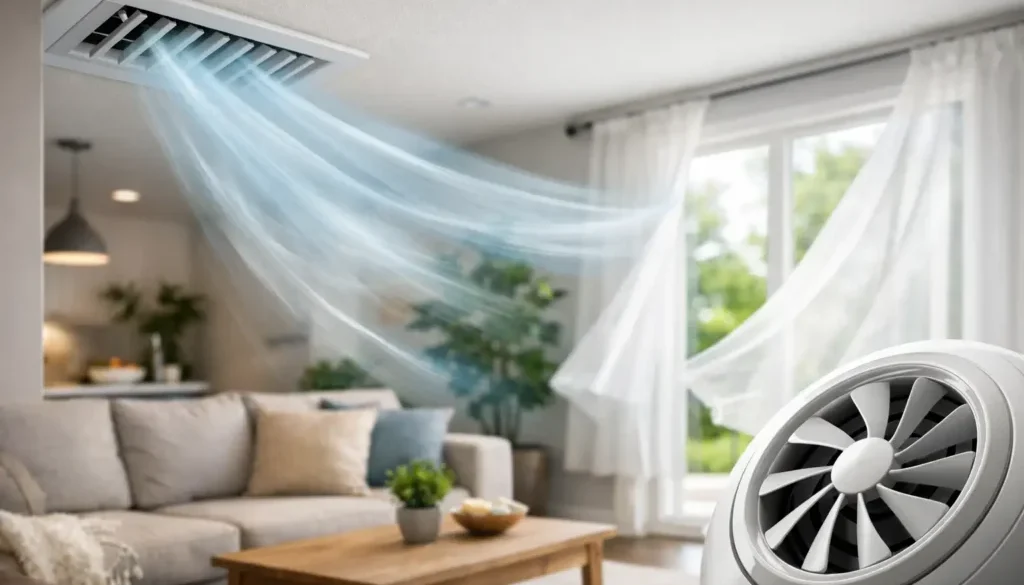
House ventilation replaces stale indoor air with fresher outdoor air in a controlled way. Its purpose is not to make a home draughty. Well-designed mechanical ventilation manages air movement so moisture, odours and indoor pollutants are removed while the home remains comfortable and energy-conscious.
Everyday living creates a surprising amount of humidity. Showers, cooking, drying clothes indoors, dishwashers and even breathing all release water vapour into the air. When that warm, moist air meets a cold surface such as glass, an external wall or an uninsulated corner, it can turn into visible condensation.
A ventilation system helps carry that moisture away before it settles. Depending on the system, it can also reduce lingering cooking smells, stuffy bedrooms, volatile organic compounds from furnishings and cleaning products, and airborne particles entering from outside. For families managing allergies or asthma, cleaner, more regularly refreshed air can make a meaningful difference to day-to-day comfort.
Signs your home may need better ventilation
Mould is the most obvious warning sign, but it is rarely the first. Many homeowners notice a damp smell in a wardrobe, windows that sweat overnight, or a room that feels stuffy even after it has been cleaned. These issues deserve attention, particularly when they return each winter.
Other signs can include peeling paint, mildew around window frames, black spotting on ceilings, cold or cupped timber floors, dampness under the house, and condensation on the inside of roof sheeting. In bathrooms and laundries, slow-clearing mirrors and persistent humidity after use can point to inadequate extraction.
It is worth separating a ventilation problem from a water-entry problem. A leaking roof, plumbing leak, rising damp or poor site drainage needs to be identified and repaired. Ventilation cannot fix a building defect that continuously introduces water. However, it can be a crucial part of managing the moisture generated within the home and helping vulnerable areas dry properly.
Why opening windows is not always enough
Natural ventilation is useful when outdoor air is dry, temperatures are comfortable and windows can be left open safely. The challenge is that these conditions are not consistent. In winter, people tend to close homes tightly to retain warmth. In summer, opening windows may bring in pollen, smoke, dust, noise or humid air, depending on the location and weather.
There is also no guarantee that opening one window will ventilate the rooms that need it most. Air takes the easiest path. A bathroom with the door closed, a back bedroom or a damp subfloor may receive very little useful air exchange.
Mechanical ventilation provides consistency. It can operate quietly in the background according to a planned airflow path, rather than relying on household routines or favourable weather. This is especially valuable in homes where recurring mould has continued despite cleaning, window opening and use of portable moisture absorbers.
Choosing the right house ventilation system
There is no single system that suits every Victorian home. A thorough assessment should consider the age and layout of the property, insulation, airtightness, existing exhaust fans, moisture sources, occupants’ health needs and the specific rooms affected.
Positive pressure ventilation
Positive pressure systems introduce filtered air into the home, creating gentle pressure that encourages stale indoor air to move out through existing gaps and purpose-built outlets. They can be a practical option for some existing homes, particularly where broader air circulation and condensation reduction are priorities.
Their effectiveness depends on the home and the quality of the design. A system should not simply push air around without considering where moisture is produced and where it can escape. Filtration, airflow settings and the source of incoming air all matter.
Exhaust and balanced ventilation
Extract ventilation removes humid air directly from wet areas such as bathrooms, laundries and kitchens. When designed well, it supports a clear path for replacement air to enter other parts of the home. This approach can be highly effective where moisture is concentrated in particular rooms.
Balanced systems both supply and extract air. They offer greater control over where fresh air enters and where stale air leaves, making them well suited to homes undergoing major renovations or new builds with good airtightness. The added design and installation work is often worthwhile when indoor air quality is a long-term priority.
Heat recovery and energy recovery ventilation
Heat recovery ventilation, often called HRV, transfers heat from outgoing stale air to incoming fresh air. In cooler weather, this reduces the energy lost when ventilating the home. It allows regular fresh-air exchange without simply throwing warmed indoor air outside.
Energy recovery ventilation, or ERV, also transfers some moisture between airstreams. Whether HRV or ERV is the better choice depends on the local climate, the home’s moisture profile and how the building performs across seasons. These systems require careful sizing, duct design and commissioning, but they can provide a high level of comfort and efficiency.
Decentralised ventilation
Decentralised units are installed through an external wall and serve individual rooms or smaller zones. They can be an effective solution where access for ductwork is limited, such as established homes, apartments or targeted problem rooms. Some units operate in paired cycles to supply and extract air while recovering heat.
This approach is not necessarily a substitute for a whole-home design. It can, however, be a sensible way to address bedrooms, living areas or renovations without extensive ceiling-space work.
Subfloor ventilation and heat transfer
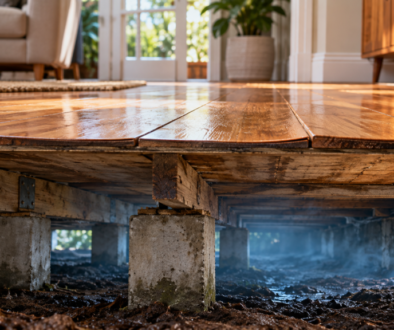
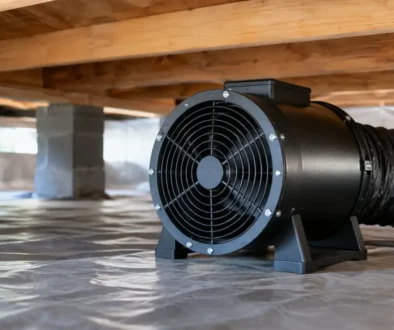
A musty smell under the house, damp soil, wet timbers or cold floors can indicate a subfloor ventilation issue. Underfloor ventilation moves air through the subfloor cavity to help reduce trapped humidity and support drying. It is particularly relevant in homes with suspended timber floors, but the cause of moisture must always be investigated first.
Heat transfer systems solve a different problem. They move excess warmth from one area, such as a room with a wood heater, to cooler parts of the home. They can improve comfort and make better use of available heat, but they are not a replacement for systems designed to remove moisture and stale air.
Good ventilation starts with a proper assessment
Choosing a system based only on a product label or a neighbour’s recommendation can lead to disappointing results. A fan that is too small may not control humidity. One that is oversized or poorly positioned can create noise, draughts or unnecessary energy use. Duct runs, grilles, filters, controls and make-up air all influence performance.
A home-specific assessment should look beyond the visible mould patch. Is moisture highest in bedrooms overnight? Is the bathroom exhaust vented outdoors? Is the subfloor enclosed and damp? Are external walls cold because of missing insulation? Are clothes regularly dried on racks inside? The answers shape the right recommendation.
For Melbourne homeowners, seasonal changes also matter. Cold winters increase the chance of condensation on cooler surfaces, while humid periods can make homes feel clammy. A well-considered system should improve conditions across the year, not just provide a short-term fix for one season.
Ventilation works best alongside sensible moisture control
Mechanical ventilation is powerful, but it performs best as part of a broader approach. Use kitchen rangehoods while cooking, run bathroom extraction during showers and for a period afterwards, and avoid venting dryers into internal spaces. If possible, dry clothes outdoors or use a properly vented or condenser dryer.
Keep furniture slightly clear of cold external walls where mould has been an issue, especially in bedrooms. Clean visible mould safely and address it promptly, but remember that cleaning alone does not remove the moisture conditions that allowed it to grow.
Filters and fans also need maintenance. A neglected filter can restrict airflow, while dust build-up can affect performance and noise. Your installer should explain the required servicing intervals and how to use controls effectively.
A dry, fresh home is not created by one switch on the wall. It comes from understanding how air and moisture move through your particular property, then designing a system that works quietly in the background to protect the people and materials inside it. If condensation, stale air or dampness keeps returning, the most useful next step is an assessment that treats the cause, not just the symptom.