Condensation on bedroom windows, a lingering damp smell and mould that returns after cleaning are not simply housekeeping problems. They are often signs that a home is holding too much moisture and not replacing stale indoor air effectively. When comparing positive pressure vs heat recovery, the right choice depends on how your home is built, where the moisture is coming from and whether retaining winter warmth is a priority.
Both approaches can improve indoor air quality, but they work in fundamentally different ways. One introduces filtered air to gently press stale air out. The other extracts stale air and supplies filtered fresh air while recovering much of the heat that would otherwise leave the building. Understanding that distinction helps avoid a system that sounds suitable on paper but does not address the conditions in your home.
How positive pressure ventilation works
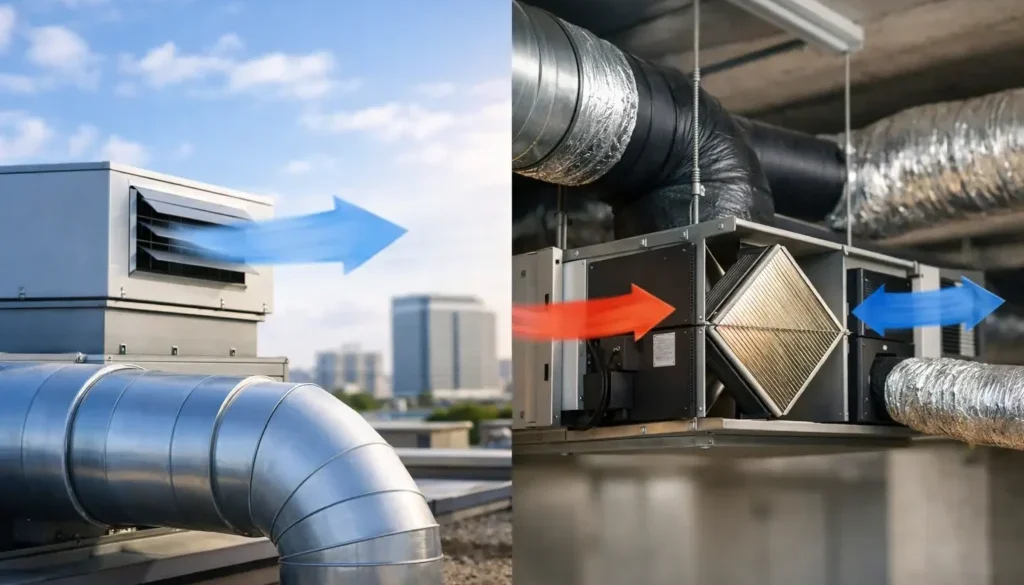
A positive pressure system draws air from outside, or in some designs from the roof space, filters it and supplies it into the home. This creates a slight increase in indoor air pressure. The supplied air encourages stale, humid air to find its way out through natural gaps, vents and leakage points around the building.
For older Melbourne homes with limited existing ventilation, this can be a practical way to improve air movement without extensive ductwork. The gentle introduction of air can reduce stuffiness and help dilute everyday indoor pollutants from cooking, cleaning products, pets and occupied rooms. Some systems also temper the incoming air, making it less cold before it enters living areas.
Positive pressure ventilation is often appealing because installation can be relatively straightforward in a home with accessible roof space. It may suit a property where the main problem is stale air, light condensation or poor circulation, particularly when the building is naturally leaky enough for air to escape as intended.
However, positive pressure does not actively remove moisture from wet rooms at the source. Bathrooms, laundries and kitchens still need properly designed extraction, especially when showers, clothes drying and cooking create significant water vapour. A system that supplies air without adequate paths for moist air to leave may not solve persistent condensation.
There is another important consideration: roof-space air quality. In summer, roof spaces can become extremely hot. In damp weather, they can also carry dust, insulation fibres or other contaminants if not properly assessed and filtered. A home-specific design matters more than a generic installation.
How heat recovery ventilation works
Heat recovery ventilation, commonly called HRV, is a balanced mechanical ventilation system. It continuously extracts stale air from moisture-producing areas such as bathrooms, laundries and kitchens, while delivering filtered fresh air into bedrooms and living spaces. The two air streams pass through a heat exchanger but do not mix.
During a Melbourne winter, warm outgoing air transfers much of its heat to the incoming fresh air. This means the home receives ventilation without the same level of heat loss associated with opening windows or relying on uncontrolled draughts. In summer, the system can also reduce the load created by bringing in very hot outdoor air, although it is not an air conditioner.
The key advantage is control. HRV systems provide known supply and extract points, rather than depending on air leaking through cracks in the building. This is particularly valuable in newer, better-sealed homes, where moisture and pollutants can build up because there is less accidental ventilation.
Heat recovery ventilation can be installed as a centralised whole-home system with ducting, or through decentralised room-based units. Centralised systems are often well suited to new builds and major renovations, where duct routes can be planned early. Decentralised options can be useful in existing homes where access is limited or where only particular rooms require treatment.
HRV does not automatically dehumidify a home in the way a refrigerant dehumidifier does. If outdoor humidity is high, ventilation alone cannot magically make incoming air dry. Still, by extracting moisture at its source and maintaining consistent air exchange, it can greatly reduce the conditions that allow condensation and mould to develop. In homes with unusually high humidity loads, a combined strategy may be needed.
Positive pressure vs heat recovery: the practical differences
The most useful comparison is not which system is universally better. It is which system gives your home enough fresh air, enough moisture removal and an acceptable level of energy use.
Positive pressure systems generally rely on a single supply point or limited supply points, with stale air leaving through the home’s existing leakage paths. Heat recovery systems use balanced supply and extraction, which gives more predictable airflow from clean areas towards wet areas. For a home with recurring bathroom mould, wet windows and a tightly sealed building envelope, that controlled extraction is often a meaningful advantage.
Heat recovery also has a stronger energy-efficiency case in heated homes. When you have spent money heating bedrooms and living spaces through a Victorian winter, recovering warmth from outgoing air can reduce the penalty of ventilating properly. Positive pressure systems may introduce cooler outside air, which can increase heating demand unless the unit includes tempering and conditions are favourable.
On the other hand, a full heat recovery system is usually more complex and can require greater upfront investment. Ductwork, ceiling access, unit location, acoustic treatment and commissioning all need careful planning. Positive pressure may be the more achievable option for a modest existing-home upgrade where major ceiling work is not practical.
Noise, maintenance and filters deserve attention too. Any mechanical ventilation system should be quiet enough to run consistently. Filters need replacement or cleaning at the recommended intervals, particularly in areas affected by dust, bushfire smoke or pollen. HRV systems also need correctly installed ducting and a commissioned airflow balance. Good equipment performs best when the design and installation are equally considered.
Which homes suit each approach?
A positive pressure system may suit an older home with roof access, noticeable stuffiness and low to moderate condensation, provided there are effective exhaust paths and the roof space is appropriate for air intake. It can be a sensible step for improving general air freshness where a full ducted system is beyond the scope of the project.
Heat recovery ventilation is often the stronger choice for airtight new homes, substantial renovations and households seeking whole-home air quality with better energy performance. It is also worth considering where people are sensitive to allergens, odours or poor bedroom air quality, because filtered fresh air can be supplied directly where the family sleeps and spends time.
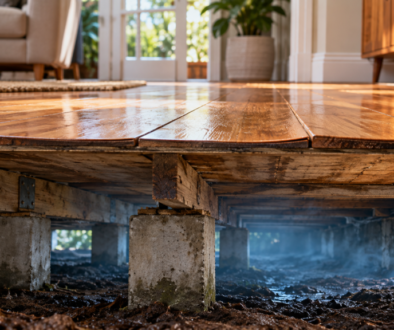
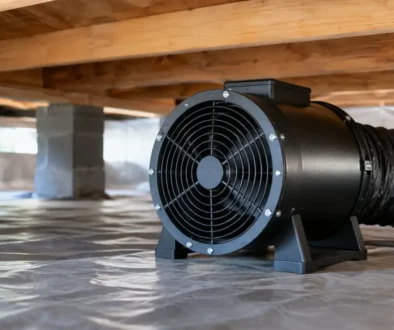
Neither system replaces local extraction where it is needed. A bathroom without an effective exhaust fan can release litres of moisture into the house over a week. A rangehood that only recirculates air will not remove cooking vapour outdoors. Subfloor dampness is another separate issue that may require underfloor ventilation, drainage improvements or building repairs rather than a ceiling-mounted system alone.
Do not overlook the source of the moisture
Before selecting equipment, identify whether the moisture is generated indoors, entering from outside or rising from below. Everyday activities such as showering, cooking and drying washing add substantial moisture. But plumbing leaks, poor drainage, roof leaks, missing vapour barriers and damp subfloors can create problems ventilation cannot fully correct on its own.
Window condensation is a useful clue, but it is not the whole diagnosis. It occurs when warm humid indoor air meets a cold glass surface. Improving ventilation may lower indoor humidity, while better glazing or window coverings can raise the internal glass temperature. The best result may involve both building improvements and mechanical ventilation.
For this reason, system selection should begin with an assessment of the home’s layout, insulation, roof or wall access, wet areas, heating habits and existing exhaust points. A family in a weatherboard home in Eltham may need a different answer from an owner of a tightly built townhouse in Melbourne’s inner suburbs.
Questions to ask before choosing a system
Ask where fresh air will enter, where humid air will leave and what happens when the home is closed up overnight. Consider whether the system can reach bedrooms as well as living areas, whether bathrooms and the laundry have adequate extraction, and how filter and servicing access will be managed.
It is also sensible to ask about expected airflow rates rather than relying on broad claims about mould prevention. A correctly sized system should match the number of rooms, occupants and moisture load in the home. Larger is not always better if it creates noise, draughts or unnecessary energy use.
A tailored recommendation may include positive pressure, heat recovery, decentralised ventilation, upgraded exhaust fans or a combination of measures. Ecoflow Ventilation assesses these details so homeowners can choose a system based on the actual cause of their condensation, stale air or mould concerns.
The most helpful next step is to treat persistent dampness as a building and air-quality question, not a cleaning routine. Once the moisture source and airflow pathways are clear, the right ventilation approach becomes far easier to choose and far more likely to deliver a drier, healthier home.