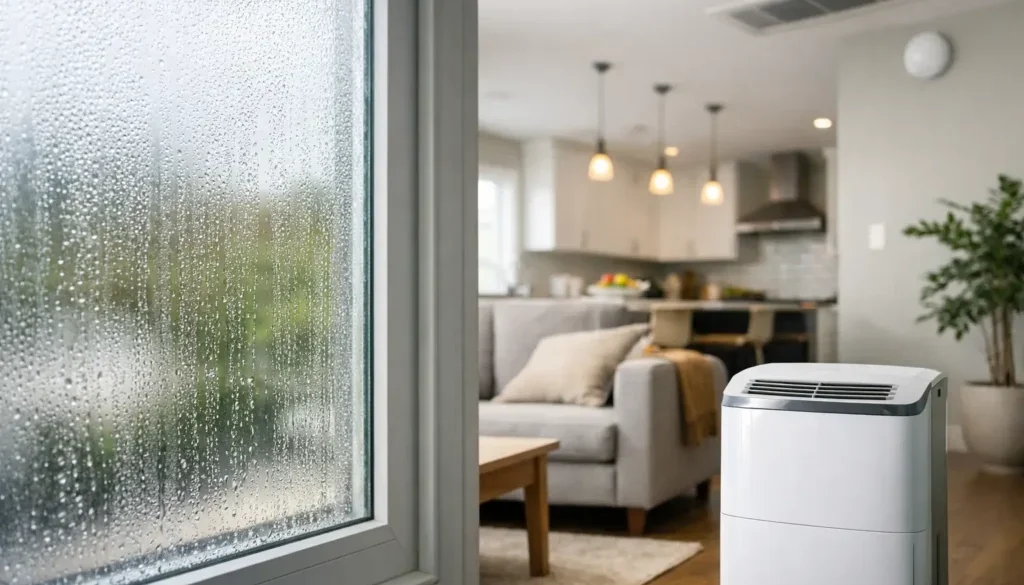
Condensation running down bedroom windows on a cold Melbourne morning is not just a cleaning problem. Neither is a musty smell that returns after carpets are cleaned, or mould that reappears in the same ceiling corner each winter. These are often signs that moisture is building up faster than the home can remove it. Effective whole house moisture control looks at the way air moves through the entire building, rather than treating each damp room as an isolated issue.
A dehumidifier, open window or bathroom fan can help in the right circumstances. But when moisture is recurring across several rooms, or when the house is tightly closed for long periods, the underlying issue is usually ventilation design. The aim is to manage humidity, pollutants and stale air consistently while protecting comfort, energy use and the building itself.
Why moisture builds up inside homes
Every occupied home produces moisture. Showering, cooking, drying clothes indoors, mopping floors and even breathing all add water vapour to the air. A family can release several litres of moisture into a home over a normal day. If that moisture-laden air cannot escape, it settles on the coldest surfaces first: windows, external walls, ceilings, wardrobes and areas behind furniture.
Melbourne homes can be particularly vulnerable during cooler months. Heating raises the amount of water vapour the indoor air can hold, but cold glass and poorly insulated surfaces quickly cool that air down. Once it reaches its dew point, water forms as condensation. Repeated wetting creates conditions for mould, peeling paint, swollen timber and persistent odours.
Older homes may have draughts, yet still suffer from dampness because air is not moving where it is needed. Newer homes are often more airtight, which improves energy efficiency but makes planned ventilation more necessary. Renovations can also change how a house performs. Replacing old windows, sealing gaps or extending a home may reduce accidental ventilation without adding a reliable way to exhaust moist air.
Whole house moisture control starts with diagnosis
The best solution depends on where moisture originates, where it accumulates and how the home is constructed. A wet subfloor requires a different response from surface condensation in an upstairs bedroom. Likewise, mould caused by a plumbing leak or failed roof flashing will not be fixed by ventilation alone.
A proper assessment considers the layout, insulation, glazing, heating habits, occupancy, existing exhaust fans, roof space and subfloor conditions. It should also look at whether bathrooms and kitchens are actually extracting air outdoors, rather than simply moving it into a roof cavity. That distinction matters. Moisture displaced into an enclosed roof space can contribute to another dampness problem.
Signs that a whole-home approach may be needed include:
- condensation on windows most mornings during winter
- mould returning after cleaning, particularly in bedrooms, wardrobes or corners
- a damp or stale smell that persists despite airing out the home
- cold, damp timber floors or musty odours from beneath the house
- rooms that feel stuffy when windows are kept closed for security, noise or weather reasons
These symptoms do not automatically point to one product. They indicate the need to understand the home as a connected system.
Ventilation systems that manage moisture
Targeted extraction for wet areas
Bathrooms, laundries and kitchens are high-moisture zones. Good extraction at the source is a foundation of moisture control, especially where showers are used frequently or clothes are dried indoors. Fans need adequate capacity, suitable ducting and a discharge point that takes humid air outside.
However, extraction works best when replacement air can enter the home in a controlled way. If a powerful fan is pulling against an overly sealed building, its real performance may be limited. It can also draw air from undesirable places, such as a damp subfloor or roof cavity, if those areas are not properly separated from the living space.
Positive pressure ventilation
Positive pressure systems introduce filtered air into the home, gently encouraging stale indoor air to leave through planned or natural exit points. They can assist homes that feel stagnant, and may help reduce condensation by improving air movement and diluting humid indoor air.
Their suitability depends on the building and outdoor conditions. A system drawing air from a roof space, for example, must be carefully assessed because roof air temperatures and quality can vary. Positive pressure is not a universal answer for every home, but it can be effective when correctly designed for the property.
Heat recovery and energy recovery ventilation
For homes where energy efficiency and controlled fresh air are priorities, heat recovery ventilation (HRV) or energy recovery ventilation (ERV) can offer a more balanced approach. These systems exhaust stale, humid air while supplying filtered outdoor air. In the process, they transfer heat between the outgoing and incoming air streams, helping reduce the heating or cooling load.
ERV systems can also transfer some moisture, which can be useful in particular climates and home conditions. The choice between HRV and ERV is not simply a matter of selecting the newest technology. It comes down to local weather, occupancy, insulation levels, airtightness and the moisture pattern inside the home.
Centralised systems can serve multiple rooms through ductwork, making them well suited to new builds and major renovations. Decentralised units are often practical in existing homes where extensive ducting is not desirable. These can ventilate individual rooms or paired spaces while retaining heat, offering a targeted option for bedrooms, living areas and problem zones.
Subfloor ventilation
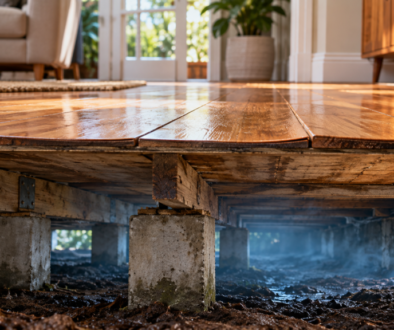
Moisture under a suspended timber floor deserves separate attention. Damp subfloors can lead to musty indoor smells, cold floors, timber movement, fungal growth and eventual damage to floor framing. The source may be poor site drainage, groundwater, inadequate vents, leaking plumbing or moist outside air trapped beneath the building.
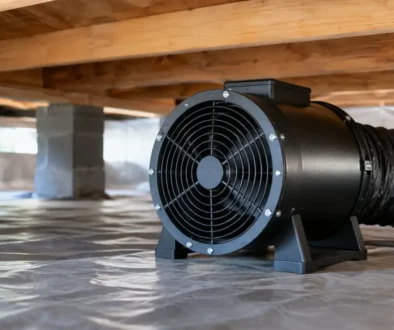
Subfloor ventilation uses appropriately placed fans and vents to improve air exchange beneath the home. It may need to be paired with drainage improvements, ground moisture barriers or repairs to leaks. Simply adding a fan without addressing standing water or poor drainage can leave the core issue unresolved.
What a system can and cannot fix
Mechanical ventilation is highly effective at controlling moisture created through normal household living. It can lower the likelihood of condensation, improve indoor air quality and make rooms feel fresher without relying on open windows all day. It also supports a more consistent indoor environment for households managing allergies, asthma or mould sensitivity.
But ventilation does not replace building repairs. Roof leaks, rising damp, cracked pipes, failed waterproofing, overflowing gutters and external drainage issues need direct remediation. Nor should ventilation be used as a reason to ignore inadequate insulation. Cold surfaces are a major contributor to condensation, so insulation, sensible heating and ventilation often work best as a package.
Dehumidifiers can be useful as a temporary measure or for a contained room, particularly while investigating a problem. They need regular emptying or drainage, consume electricity and do not bring fresh air into the house. For ongoing moisture across an entire property, a professionally planned ventilation system is generally the more complete long-term strategy.
Everyday habits that support a drier home
A well-designed system should reduce the burden on household routines, not create a long checklist. Still, a few habits make a noticeable difference. Use kitchen extraction while cooking, run bathroom extraction during and after showers, and avoid drying washing indoors where possible. If indoor drying is unavoidable, use a ventilated laundry or a dryer that is correctly vented or condensing.
Keep large furniture slightly clear of external walls where mould has occurred, as this allows air to circulate. Clean visible mould safely and address it promptly, but treat cleaning as the final step, not the solution. If the wall repeatedly becomes damp, the moisture source remains active.
Choosing a tailored solution for your home
There is no single definition of the best whole-home system. A compact, well-sealed townhouse may benefit from decentralised heat recovery units. A large family home undergoing renovation may suit a centralised balanced ventilation design. A Victorian-era home with damp floors may need subfloor ventilation alongside improvements to bathrooms and roof-space airflow.
The practical value of professional advice is that it prevents costly guesswork. Ecoflow Ventilation assesses how a home is used and built before recommending an approach, so the system addresses the moisture pathway rather than merely masking the symptoms.
A drier home is not meant to feel over-ventilated, cold or difficult to heat. When moisture is managed at its source and fresh air is supplied in a controlled way, the result is quieter, healthier everyday living: clearer windows, fewer musty smells and a home that feels cared for from the subfloor to the bedrooms.