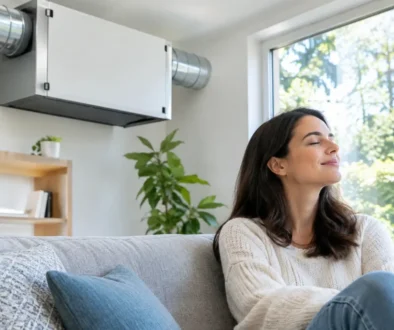
A home can look clean and still feel unhealthy. Windows may sweat on cold mornings, wardrobes can smell musty, and mould may return to the same ceiling corner no matter how often it is cleaned. In the right home, positive pressure ventilation can help replace stale indoor air with filtered fresh air and reduce the conditions that allow condensation and mould to persist.
It is not, however, a universal answer to every moisture problem. The best result depends on where the moisture is coming from, how the house is built, the condition of the roof space, and whether the home needs fresh-air supply, controlled extraction, or both.
How positive pressure ventilation works
A positive pressure system gently introduces filtered air into the home, usually from the roof space or an external intake. This creates a very slight increase in indoor air pressure. As cleaner air enters living areas, stale air is encouraged to leave through natural leakage points, such as gaps around doors and windows, vents and other openings.
The airflow is low and continuous rather than noticeable or draughty. A properly selected system is designed to improve background ventilation across the house, helping dilute everyday indoor pollutants from cooking, cleaning products, pets, furnishings and occupants.
For many older Melbourne homes, this can be valuable. Houses built before modern airtightness expectations often have uneven natural airflow: some rooms feel stuffy while others are cold, and moisture settles on the coldest surfaces. A steady supply of filtered air can make the indoor environment feel fresher and less stagnant.
What the system can help with
Positive pressure ventilation may assist homes experiencing persistent stale air, mild to moderate window condensation, damp odours and recurring surface mould caused by limited background airflow. It can also reduce reliance on opening windows when weather, noise, security or pollen makes that impractical.
The filter is another useful feature. It removes larger airborne particles from incoming air, which can be helpful for households concerned about dust, pollen and general air quality. Filter quality and maintenance matter, though. A neglected filter restricts airflow and reduces the system’s effectiveness.
Where positive pressure ventilation has limits
Ventilation is only one part of moisture control. If a bathroom has no effective exhaust fan, a laundry is regularly dried indoors, a roof leak is wetting insulation, or rising damp is affecting walls, a positive pressure system cannot remove the underlying cause on its own.
Roof-space air also needs careful consideration. In summer, roof cavities can become very hot. In winter, they may be cold, dusty or affected by poor insulation, roof leaks or animal activity. Some systems use roof-space air, while others draw from outside through a dedicated intake. The right option depends on the home and the equipment being considered.
A system that simply pushes air into a poorly assessed house can create disappointing results. For example, if humid air from showers and cooking is not extracted at the source, it may still travel through the home before leaving. Bathrooms, kitchens and laundries often need well-designed extraction as part of a broader ventilation plan.
There is also a building-science consideration. Pressurising a home can push indoor air into gaps within walls and ceilings. In homes with particular construction types, insulation arrangements or cold surfaces, this needs to be assessed carefully to avoid moving moisture into concealed areas. This is one reason a home-specific recommendation is more reliable than choosing a system based on a single symptom.
Positive pressure ventilation versus other systems
Positive pressure systems are commonly compared with exhaust-only ventilation and balanced mechanical ventilation. Each has a different role.
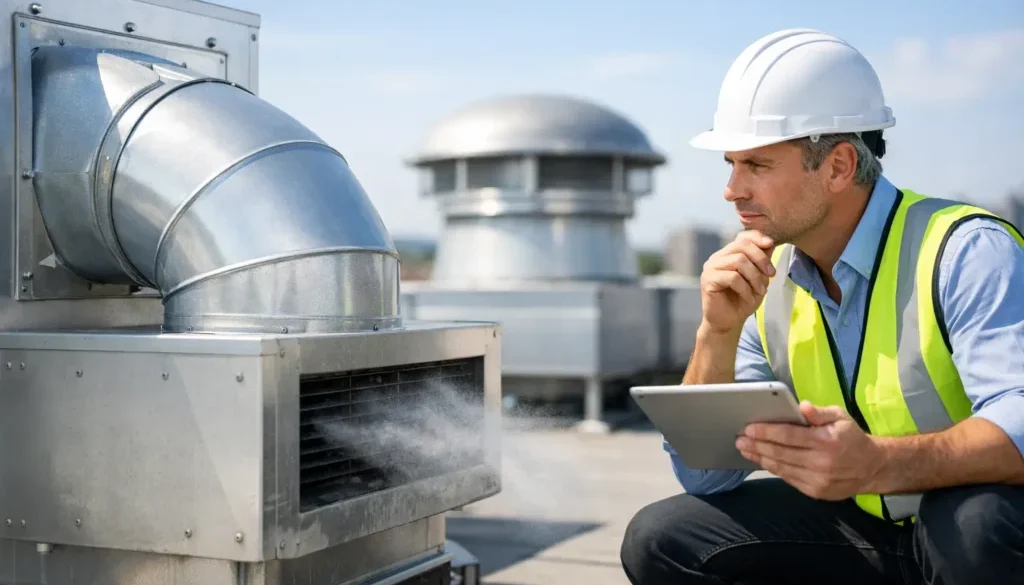
Exhaust systems pull moist, polluted air out of wet areas. They are essential where showers, baths, cooktops and clothes dryers produce moisture. Their performance depends on correct sizing, ducting, external discharge and controls. A fan that is noisy, underpowered or ducted into the roof space will not adequately manage humidity.
Balanced ventilation supplies fresh air and extracts stale air in controlled, matched quantities. Heat recovery ventilation, or HRV, transfers heat between outgoing and incoming air streams, helping reduce heating energy loss. Energy recovery ventilation, or ERV, can also transfer some moisture, which may be useful in certain climates and home conditions. These systems are often a strong option for airtight new builds and major renovations, but their installation can be more involved.
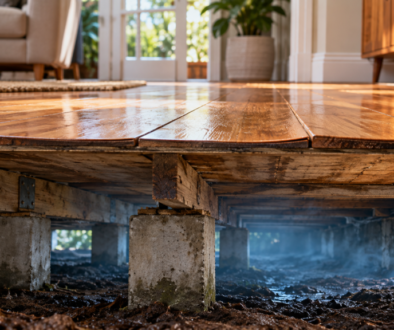
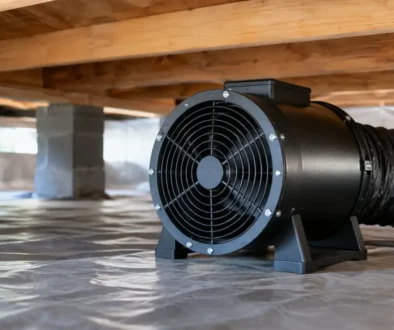
Decentralised systems serve individual rooms or zones, making them useful where access for central ductwork is limited. Subfloor ventilation, meanwhile, is designed for moisture beneath suspended timber floors. It addresses a different problem entirely and should not be treated as a substitute for whole-home ventilation.
The practical question is not which system sounds most advanced. It is which one addresses the moisture pathway and air-quality problem in your particular home.
Is a positive pressure system suitable for your home?
Positive pressure ventilation can suit an existing home where natural ventilation is poor, the roof space is dry and clean, and the main concern is stale indoor air or condensation linked to limited air exchange. It may be particularly attractive when homeowners want a relatively straightforward whole-home improvement without extensive alterations.
Before installation, it is worth investigating the pattern of the problem. Does condensation form only on bedroom windows, or throughout the home? Does mould appear after winter, after long showers, or around a known leak? Is the underfloor area damp? Are exhaust fans vented outdoors and used for long enough after bathing?
A professional assessment should consider the home’s layout, number of occupants, insulation, roof-space condition, existing fans, heating habits and visible signs of water ingress. This helps separate a ventilation issue from a plumbing, roofing, drainage or subfloor issue.
Questions worth asking before you choose
Ask where the system will draw air from, what type of filtration it uses, how much electricity it consumes and how it will be controlled. You should also ask how the installer will manage bathrooms and laundry areas, whether the roof space has been checked, and what maintenance is required.
Controls can make a meaningful difference. Timers, variable-speed settings and humidity-responsive extraction can improve comfort while avoiding unnecessary energy use. The aim is steady, appropriate airflow – not running equipment at maximum output regardless of weather or occupancy.
Getting better results from any ventilation system
Even a well-designed system benefits from sensible household practices. Use kitchen and bathroom extraction whenever moisture is produced, and leave bathroom fans running after showers. Where possible, dry clothes outdoors or use a properly ducted dryer. Keep trickle vents and air paths clear, and attend to leaks promptly rather than assuming ventilation will dry them out.
During winter, avoid turning heating off completely in rooms prone to condensation. Cold surfaces allow moisture in indoor air to condense more readily. Consistent, moderate heating combined with appropriate ventilation is usually more effective than short bursts of high heat followed by long periods of cold, still air.
Filters also need scheduled attention. Depending on the system, household conditions and local dust levels, they may need cleaning or replacement at intervals recommended by the manufacturer. This small task protects airflow, noise levels and air quality.
For homeowners dealing with damp smells, sweating windows or mould that keeps returning, the useful starting point is not a product name. It is identifying how air and moisture are moving through the house. With that understanding, a tailored ventilation design can make the home drier, fresher and more comfortable for the people living in it.