
A bedroom that smells musty after rain, windows that stream with condensation each morning, or mould returning along a ceiling are not just frustrating household issues. For people with asthma, they can point to indoor conditions that make symptoms harder to manage. So, can ventilation reduce asthma triggers? In many homes, yes. Well-designed ventilation can reduce the moisture, mould risk and stale air that contribute to a less healthy indoor environment. It is not a medical treatment or a substitute for an asthma plan, but it can be a meaningful part of controlling triggers at home.
Why indoor air can aggravate asthma
Asthma triggers vary from person to person. One family member may react strongly to dust mites, while another is more affected by mould spores, pollen, smoke or chemical odours. The common issue is that a closed-up house can allow some of these irritants to build up or persist.
Melbourne homes face a particular mix of conditions. Cold winter mornings can create heavy condensation on glazing and external walls. Older homes may have draughty rooms but surprisingly poor airflow where it matters, such as bathrooms, laundries, wardrobes and subfloors. Newer, better-sealed homes can retain heat efficiently, yet also retain humidity and airborne pollutants if fresh air is not deliberately managed.
Ventilation does not remove every asthma trigger. It cannot stop outdoor pollen seasons, replace regular cleaning, or make a smoking household healthy. What it can do is move stale indoor air out, bring controlled fresh air in, and help keep indoor humidity at levels that are less favourable for mould and dust mites.
How can ventilation reduce asthma triggers?
The strongest benefit often comes from moisture control. Everyday activities add a surprising amount of water vapour to indoor air: showers, cooking, clothes drying, dishwashing and even breathing. When that moisture has nowhere to go, it settles on cold surfaces and can feed mould growth. Mould spores and damp indoor conditions may worsen respiratory symptoms for sensitive people.
A properly selected mechanical ventilation system provides reliable air exchange rather than relying solely on opening windows. That matters when it is cold outside, raining, the property is near a busy road, or windows are kept shut for security and comfort. Continuous low-level ventilation can quietly remove humid, stale air before it becomes condensation on the glass or dampness behind furniture.
It may also lower the concentration of indoor pollutants from cleaning products, cooking fumes, furnishings and general day-to-day living. The result is not “perfect” air, but air that is fresher, drier and less likely to hold onto the conditions that support common triggers.
Humidity, mould and dust mites
Humidity is one of the most practical areas to address. Dust mites thrive in humid environments, while persistent moisture supports mould growth on walls, ceilings, window frames, carpet edges and stored belongings. Cleaning visible mould without correcting the moisture source often means it returns.
Ventilation helps by removing moisture at its source and maintaining more consistent airflow through the home. In a bathroom, this may mean extraction that continues after a shower. In a whole-home setting, it may mean a balanced system that exchanges air throughout key living and sleeping spaces. If dampness is coming from below, subfloor ventilation may be the more relevant solution.
The right approach depends on the building. A wet subfloor, for example, requires a different response from condensation in a well-sealed new build. Treating both problems with the same product can leave the underlying cause unresolved.
Stale air and airborne particles
Poorly ventilated rooms can feel stuffy because carbon dioxide, humidity and indoor pollutants accumulate when people are present. While carbon dioxide at typical household levels is not usually an asthma trigger itself, a stuffy room often signals that there is not enough air exchange happening.
Mechanical systems can dilute indoor pollutants by replacing a portion of stale air with outside air. Some systems also use filters to help reduce incoming particulates. Filtration can be valuable during high-pollen periods or in areas affected by traffic pollution, but its performance depends on the filter grade, system design and maintenance. A filter that is overdue for cleaning or replacement cannot do its job well.
Ventilation systems are not all the same
Homeowners often ask whether positive pressure, extraction, heat recovery or decentralised ventilation is best for asthma. There is no single answer, because the best system starts with the home’s moisture source, layout, airtightness and ventilation gaps.
A localised extraction system can be highly effective where moisture is generated, particularly in bathrooms, laundries and kitchens. It is a practical option when the main problem is steam and condensation in those rooms. However, it may not adequately refresh bedrooms or address a broader stale-air problem across the house.
A balanced energy recovery ventilation system supplies filtered outdoor air while extracting stale indoor air. It transfers much of the heat between the outgoing and incoming air streams, helping reduce heat loss during cooler Victorian weather. This can suit homes where regular whole-home fresh air is needed without relying on open windows all day.
Decentralised units can be useful for existing homes, renovations or specific rooms where installing extensive ductwork is impractical. Positive pressure systems can also have a place in certain properties, though their suitability depends on the building fabric and moisture conditions. In homes with significant internal moisture or poor extraction, pushing air through the house without a clear path for damp air to leave may not be the right answer.
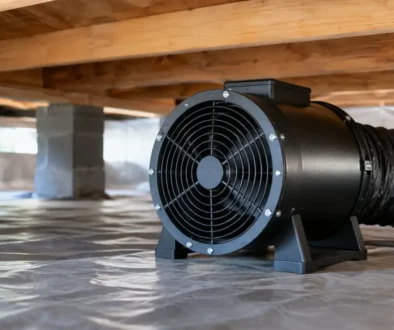
Subfloor ventilation is different again. It is designed to improve airflow beneath suspended floors, reducing the damp, musty conditions that can affect timber, indoor odours and the air that enters the home from below.
What ventilation cannot fix on its own
Ventilation is most effective when it works alongside sensible trigger management. If an asthma sufferer is sensitive to dust mites, regular vacuuming with an appropriate vacuum, washing bedding, and reducing excess humidity all matter. If pollen is the main concern, opening windows at the wrong time may be unhelpful, while a filtered mechanical system may offer more control.
There are also building issues that require direct repair. Roof leaks, failed waterproofing, rising damp, plumbing leaks and poor drainage can all create ongoing moisture that ventilation alone cannot solve. Likewise, visible mould covering a large area, recurring black mould, or signs of hidden water damage should be assessed carefully rather than simply painted over.
Avoid fragrance-heavy products and ozone-generating air cleaners as a shortcut. Strong scents and chemical emissions can irritate sensitive airways, and an air cleaner is not a replacement for moisture control or fresh-air ventilation. For asthma diagnosis, symptom changes or medication advice, speak with a GP or asthma health professional.
Signs your home may need a ventilation assessment
A professional assessment is worthwhile when the same indoor-air problems keep returning despite cleaning and using exhaust fans. Pay particular attention if you notice four or more of the following issues:
- Condensation on windows most mornings during cooler months.
- Mould on ceilings, external walls, window frames or behind furniture.
- Musty smells in bedrooms, cupboards or under the house.
- A bathroom or laundry that stays damp long after use.
- Stuffy bedrooms, especially overnight with doors and windows closed.
- Cold, damp timber floors or signs of subfloor moisture.
The assessment should look beyond the obvious room. Air movement, insulation, building leaks, occupant habits, existing fans and the condition of the subfloor can all influence the solution. A system that is correctly sized and placed will perform far better than a generic unit installed without understanding why the home is damp or stale in the first place.
For Melbourne and Victorian households managing asthma, the goal is not to turn the home into a sealed box or to run fans unnecessarily. It is to create a controlled pattern of fresh air in and humid, polluted air out, while protecting comfort and energy efficiency.
A drier, fresher home can give asthma triggers fewer places to settle and grow. If condensation, mould or stale air are ongoing concerns in your home, a tailored ventilation assessment can help identify the cause and the most practical path towards healthier indoor air.