Condensation on bedroom windows, a persistent musty smell or mould returning to a freshly cleaned wall are rarely just cleaning problems. They are often signs that moist indoor air is not being removed effectively. This Zehnder ventilation system review looks at whether a premium heat recovery ventilation system is a worthwhile answer for Australian homes, particularly well-sealed new builds and major renovations.
Zehnder is widely regarded as a high-quality manufacturer of balanced mechanical ventilation with heat recovery. Its systems are designed to deliver filtered fresh air to living spaces and bedrooms while extracting stale, humid air from bathrooms, laundries and kitchens. The key question for a homeowner is not simply whether Zehnder is good. It is whether this type of whole-home system suits the way your home is built, used and ventilated.
What a Zehnder system actually does
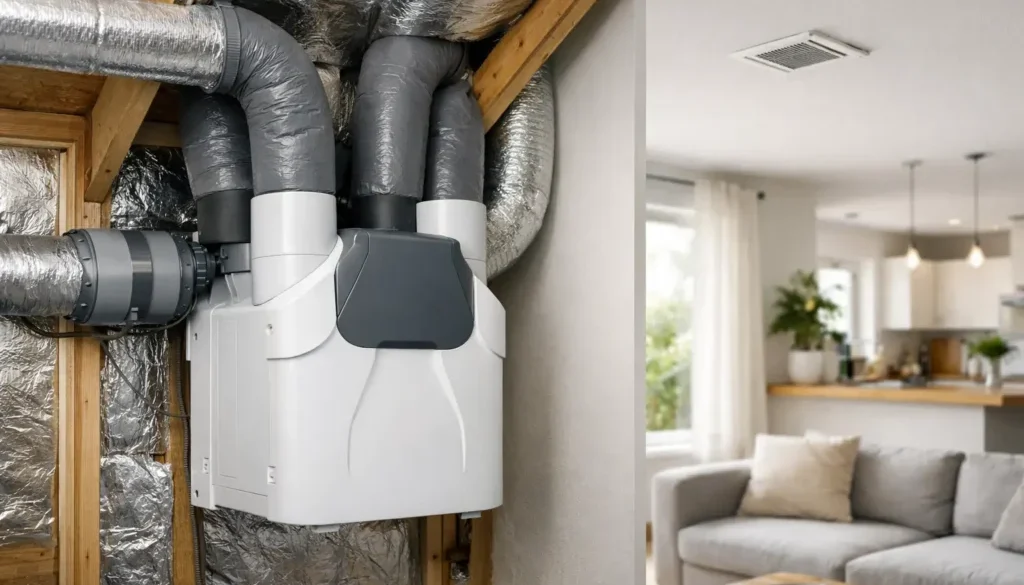
A Zehnder heat recovery ventilation system runs continuously at a low, controlled rate. It uses separate ductwork paths: one brings fresh outdoor air into the home, while the other removes stale air from moisture-prone rooms. Inside the unit, a heat exchanger transfers much of the heat from the outgoing air to the incoming air without mixing the two air streams.
In winter, this means the incoming fresh air can be tempered by the warmth that would otherwise be exhausted outside. In summer, the process can help reduce the heat load from incoming air when conditions are suitable, although it is not an air conditioner and should not be expected to cool a home on its own.
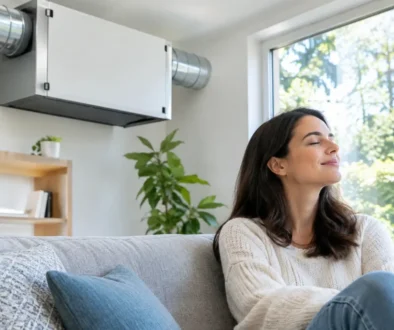
The practical benefit is consistency. Rather than opening windows when somebody remembers, or relying on an intermittent bathroom fan, the home receives planned ventilation throughout the day and night. For families dealing with allergies, stale bedrooms or frequent condensation, that steady air exchange can make a noticeable difference to comfort.
Zehnder ventilation system review: key strengths
The strongest point of a Zehnder system is its ability to improve indoor air quality without throwing away as much heating energy as conventional exhaust ventilation. Melbourne homes can experience cold, damp winter conditions, yet many homeowners understandably do not want to leave windows open all day. Heat recovery provides a more energy-conscious way to introduce fresh air while managing moisture.
Filtration is another important advantage. Depending on the system design and filter selection, a Zehnder unit can reduce the amount of pollen, dust and outdoor particulates entering the home. This does not make a house medically sterile, nor does it replace cleaning or address every allergy trigger. However, it can be valuable for households where outdoor pollution, bushfire smoke events, pollen or dusty conditions make open-window ventilation less appealing.
Noise is also handled well when the system is correctly designed. The main unit is generally installed in a roof space, utility area or other suitable service location, while air is supplied and extracted through discreet ceiling or wall grilles. A quality design considers duct sizing, air speed, unit location and attenuators so occupants hear gentle airflow rather than fan noise.
Zehnder systems also offer a level of control that standard extraction fans cannot. Airflow can be balanced room by room, with higher extraction available during showers, cooking or periods of increased occupancy. The aim is not to create draughts. It is to remove humidity and pollutants at their source while keeping bedrooms and living spaces supplied with fresh, filtered air.
Where the investment makes most sense
A centralised Zehnder system is usually best suited to a new home, an airtight build or a significant renovation where ceilings, walls and roof spaces are accessible. Planning it early allows ducts, grilles, condensate drainage and electrical requirements to be integrated neatly. It also makes it easier to size the system accurately for the home and its occupants.
For a well-insulated, high-performance home, controlled ventilation is especially important. A tighter building envelope reduces uncontrolled draughts and energy loss, but it can also trap moisture, odours and carbon dioxide if ventilation has not been properly considered. In these homes, heat recovery ventilation is often a logical partner to insulation, quality glazing and efficient heating.
It can also suit homeowners who want a long-term solution rather than a collection of separate fans. A system that serves bathrooms, laundry, kitchen-adjacent areas, bedrooms and living zones can provide a more complete approach to indoor air quality. This is different from relying solely on a bathroom exhaust fan, which only operates in one room and only when switched on.
The trade-offs homeowners should understand
Premium ventilation does come with a premium price. The equipment, ductwork, design work and professional installation are more substantial than fitting a few extraction fans. The final cost depends on the floor plan, number of rooms, roof or ceiling access, unit location and whether the property is being built, renovated or already occupied.
Retrofitting a fully ducted system into an established home can be difficult where there is limited ceiling space, heritage detailing or no practical route for ducts. In those cases, decentralised heat recovery units, targeted extraction or another ventilation strategy may offer a better result for the available budget and building constraints. The best solution is not always the most complex one.
Maintenance is straightforward but necessary. Filters need inspection and replacement at intervals based on household conditions and the manufacturer’s guidance. Grilles should be kept clean, and the system should be checked periodically to confirm airflow remains balanced. Neglecting filters can reduce airflow, increase operating noise and undermine the air-quality benefits the system is intended to provide.
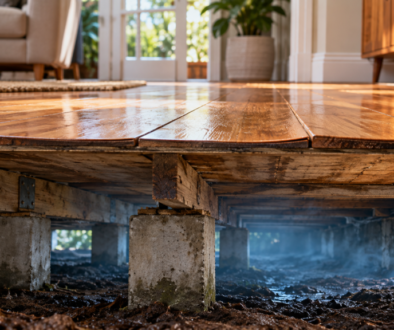
A Zehnder system also cannot solve moisture entering from outside the building. Rising damp, plumbing leaks, failed waterproofing, roof leaks and wet subfloors need their own diagnosis and repair. Mechanical ventilation manages moisture generated inside through showers, cooking, clothes drying and everyday living. It is highly effective within that role, but it is not a substitute for fixing a building defect.
Performance depends on design, not the logo alone
A Zehnder unit can be excellent equipment, but results depend heavily on how it is designed and commissioned. A system must account for the home’s layout, room use, number of occupants, insulation, glazing, air tightness and existing moisture issues. A large open-plan living zone, for example, has different air distribution needs from a compact single-storey home with closed bedroom doors.
Kitchen ventilation needs particular care. A heat recovery system is not intended to replace a properly ducted rangehood for heavy cooking loads. Rangehoods deal with grease, steam and cooking odours at the cooktop, while the ventilation system provides background air exchange across the home. Used together, they create a more effective moisture and air-quality strategy.
Commissioning matters just as much. Once installed, supply and extract airflows should be measured and adjusted to the design settings. If a system is poorly balanced, some rooms may feel under-ventilated while others receive more airflow than needed. Professional design and commissioning turn high-quality components into a system that performs as intended.
Is Zehnder better than positive pressure ventilation?
These approaches serve different purposes. Positive pressure systems introduce air into the home, often from the roof space or outdoors depending on the model, to encourage air movement and reduce condensation pressure. They can be a practical option for certain existing homes, particularly where a simpler retrofit is needed.
Balanced heat recovery ventilation is more controlled because it supplies and extracts air in a planned way. It also avoids relying on indoor air escaping through gaps in the building envelope. For a new build or a home where energy efficiency, filtered fresh air and year-round humidity management are priorities, Zehnder’s balanced approach is generally the more comprehensive option.
That does not mean positive pressure is automatically wrong. A home with limited access, a modest budget or a specific condensation issue may be better served by a different system. The right recommendation starts with identifying where moisture is coming from and how air is currently moving through the house.
Who should consider a Zehnder system?
A Zehnder system is worth considering if you are building or undertaking a major renovation, want whole-home filtered fresh air, and are prepared to invest in a properly designed solution. It is particularly compelling for homes that feel stuffy despite being clean, have recurring winter condensation, or are occupied by people sensitive to pollen, dust or poor indoor air quality.
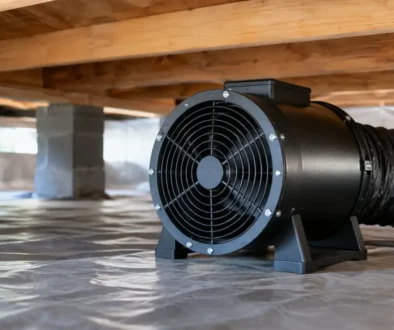
For older Melbourne homes with established mould, damp subfloors or obvious water ingress, the first priority is a full moisture assessment. The ventilation strategy may include heat recovery, but it may also require subfloor ventilation, source repairs or targeted extraction. Ecoflow Ventilation takes this home-specific approach because the visible mould is often only one part of the underlying problem.
A well-designed Zehnder system will not draw attention to itself every day. Instead, bedrooms feel fresher in the morning, windows are less likely to sweat, bathrooms dry more reliably and the air feels more comfortable to live in. That quiet, consistent improvement is what makes premium ventilation worthwhile when it is matched to the right home.