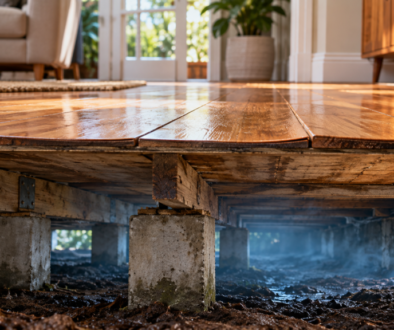
A home can look clean, feel warm and still have air that is not doing its job. If you notice a lingering smell when you walk through the door, condensation on the windows each morning or rooms that feel heavy with the doors closed, stale air in house: signs your home needs better ventilation should be taken seriously. These issues are often early warnings that moisture and indoor pollutants are building up instead of being removed.
For Melbourne and Victorian homeowners, the problem can become more noticeable through cold, wet winters, but stale indoor air is not only a winter issue. Modern homes are often well sealed for energy efficiency, while older homes may have isolated rooms, poor subfloor airflow or ineffective exhaust fans. In either case, fresh air needs a considered path in and humid, contaminated air needs a reliable path out.
What stale air actually means in a home
Stale air is more than an unpleasant odour. It is indoor air that has remained inside long enough for moisture, carbon dioxide, cooking fumes, cleaning-product vapours, dust and everyday household pollutants to accumulate. Opening a window may provide temporary relief, but it does not always address the cause, particularly in bedrooms, bathrooms, laundries, underfloor spaces and rooms without good crossflow.
Everyday living adds a surprising amount of moisture to a home. Showers, cooking, drying clothes indoors and even breathing all contribute water vapour. When that humid air cannot escape, it settles on cooler surfaces such as glass, external walls and ceilings. Over time, the conditions that cause stale air can also support mould growth, damage paintwork and affect timber components.
Stale air in house: signs your home needs better ventilation
The clearest sign is often the one people try to mask first: a musty or closed-up smell. Air fresheners may cover it for a few hours, but they do not remove damp air or its source. If the smell returns after the house has been shut up overnight, or is strongest in wardrobes, bedrooms, bathrooms or near the floor, it deserves investigation.
Window condensation is another common clue. A small amount of fogging after a hot shower can be normal, especially before an exhaust fan has cleared the room. Regular droplets running down bedroom windows in the morning, persistent sweating on glass or damp window frames are different. They indicate that indoor humidity is too high for the temperature of those surfaces.
Other signs are easy to miss because they develop gradually:
- Mould spots returning on ceilings, external walls, behind furniture or inside cupboards after cleaning.
- Bathrooms and laundries that stay steamy or smell damp long after use.
- Bedrooms that feel stuffy overnight, with occupants waking congested, headachy or unusually tired.
- Peeling paint, swollen skirting boards, damp patches or discolouration around windows and external walls.
- A cold, musty smell beneath timber floors, bouncy boards or visible dampness in a subfloor area.
No single symptom proves that poor ventilation is the only problem. A plumbing leak, roof leak, rising damp or drainage issue can also introduce moisture and needs to be ruled out. But when symptoms occur across several rooms, recur season after season or improve only briefly when windows are opened, inadequate air exchange is a likely contributor.
Why opening windows is not always enough
Natural ventilation works well on a mild, breezy day when windows can be safely opened on opposite sides of the home. It is less dependable during a cold Melbourne morning, heavy rain, high pollen periods, bushfire smoke events or when the home is empty. It also relies on air actually travelling through the affected room rather than taking the easiest route between two nearby openings.
There is an energy trade-off as well. Throwing windows open can release heated or cooled air that you have paid to create. This does not mean windows should stay shut. It means that relying on them as the only ventilation strategy can leave homeowners choosing between comfort, energy use and fresh air.
A well-designed mechanical system provides predictable airflow regardless of weather. The right approach depends on the home, its layout, insulation, occupants and the specific source of the problem.
The room where the problem starts matters
A bathroom with a weak exhaust fan needs a different response from a home where every bedroom feels stale. Likewise, moisture under a house is not fixed by installing a fan in the hallway. Effective ventilation starts with identifying where moisture or pollutants are generated, where they become trapped and how air moves through the building.
Bedrooms and living areas
Stuffy bedrooms are particularly common in tightly sealed homes. With doors and windows closed overnight, carbon dioxide and moisture rise as people sleep. A balanced whole-home system or decentralised ventilation units may be suitable where consistent fresh-air supply and controlled extraction are needed without relying on open windows.
Bathrooms, kitchens and laundries
These are high-moisture zones. Extraction needs to be adequately sized, vented to the outside and capable of clearing humid air rather than simply moving it into a roof cavity. Kitchen rangehoods should also exhaust outdoors where practical, not recirculate moisture and cooking by-products back into the room.
Subfloors and older homes
A damp subfloor can create a musty smell that travels upwards through gaps around pipes, floorboards and vents. It may also contribute to cold floors, timber movement and conditions that can affect floor framing. Subfloor ventilation is designed around the available vents, moisture conditions, access and airflow pathways beneath the home. It should not be treated as a generic fan-installation exercise.
Choosing a ventilation solution that suits the home
There is no single system that is right for every property. Positive pressure systems can help introduce filtered air and encourage internal air movement in selected homes. Exhaust-based systems remove humid or stale air from source rooms. Heat recovery ventilation and energy recovery ventilation systems exchange indoor and outdoor air while recovering some of the energy from the outgoing air, which can make continuous ventilation more efficient.
Decentralised systems can suit renovations or particular problem rooms where installing extensive ductwork is not practical. Centralised systems can provide a coordinated whole-home solution, particularly in new builds or major renovations. Heat transfer systems serve another purpose again: they redistribute warmth between rooms but are not a substitute for removing excess moisture or providing fresh outdoor air.
The distinction matters. A system that improves warmth may make a room more comfortable, while a ventilation system is designed to manage air quality and moisture. Some homes benefit from both, but the right combination should be based on a proper assessment rather than the most familiar product category.
What you can do before arranging an assessment
Start by paying attention to timing. Note where odours are strongest, whether windows are wet in the morning, how long bathrooms stay humid and whether mould returns in the same locations. Check that existing bathroom and laundry fans actually vent outdoors and operate effectively. If safe to do so, look for blocked external grilles and make sure furniture is not pressed tightly against cold external walls.
It is also wise to reduce avoidable moisture while the underlying issue is being assessed. Use lids when cooking, run extraction during and after showers, and avoid drying washing indoors where possible. These measures can help, but they will not overcome an undersized fan, a damp subfloor or a home with no consistent route for fresh air.
For recurring condensation, mould, stale odours or suspected underfloor dampness, a home-specific assessment is the sensible next step. Ecoflow Ventilation designs residential solutions around the way each home is built and lived in, helping Victorian homeowners improve air quality without sacrificing the comfort and energy efficiency they value.
A fresher home should not depend on perfect weather or remembering to crack a window. When air moves where it needs to, rooms feel drier, cleaner and easier to live in every day.