Condensation on windows, a persistent damp smell and mould returning after every clean are not problems a single off-the-shelf fan will always solve. The right answer often comes down to ducted versus ductless ventilation, and how well the system suits your home’s layout, moisture sources and the way your family lives in it.
For some Victorian homes, a central ducted system provides controlled fresh air across the whole house. For others, discreet room-by-room units are the more practical way to improve air quality without major building work. Neither option is automatically better. A sound recommendation starts with the cause of the problem, not the product.
What is ducted ventilation?
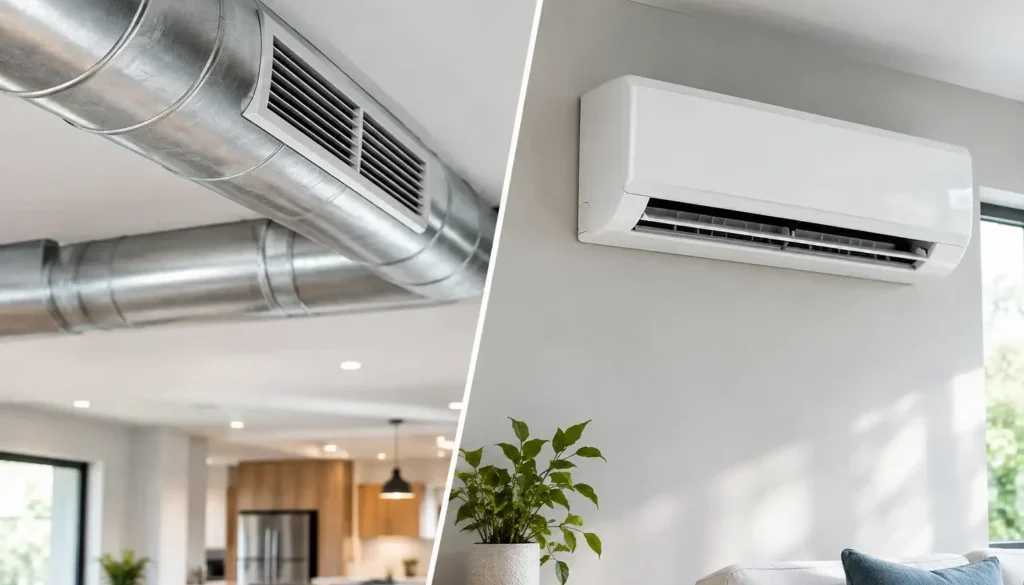
Ducted ventilation uses a central fan unit connected to a network of concealed ducts. Fresh air can be supplied to living areas and bedrooms, while stale, humid air is extracted from bathrooms, laundries and kitchens. The exact arrangement depends on the system design and the home.
Many ducted systems use heat recovery ventilation or energy recovery ventilation. These systems transfer much of the heat from outgoing stale air to incoming fresh air without mixing the two air streams. During Melbourne’s cooler months, this can reduce the heating penalty of bringing fresh outdoor air into a closed-up home.
A ducted system is generally designed as a whole-home solution. Rather than waiting for humidity to build up in one bathroom or bedroom, it provides planned air movement throughout the house. This is particularly useful where condensation, stale air or mould affects several rooms.
Where ducted systems work best
Ducted ventilation is often most straightforward in a new build, a substantial renovation or a home with accessible roof space. Ducts can be routed through ceilings, bulkheads or floor cavities before finishes are completed, making the final installation less visible.
It can also suit larger homes with multiple bedrooms, open-plan living spaces and several wet areas. A correctly designed system can maintain balanced ventilation across the property rather than relying on occupants to open windows at the right time. That matters for families who are away during the day, homes near busy roads, or households managing allergies and asthma.
The trade-off is planning. Duct routes, ceiling space, outdoor intake and discharge locations, electrical requirements and access for servicing all need consideration. A poorly planned ducted system can be noisy, uneven or difficult to maintain. Good design is what turns central ventilation into a quiet, effective part of the home.
What is ductless ventilation?
Ductless ventilation, often called decentralised ventilation, uses individual units installed directly through an external wall or in a specific room. Depending on the system, a unit may continuously supply and extract air, recover heat, or provide dedicated extraction from a moisture-heavy space.
This approach avoids the need for a central duct network. Each unit addresses the needs of the room or zone where it is installed. For example, decentralised heat recovery units may be used in bedrooms and living rooms, while a bathroom needs effective extraction to remove steam at the source.
Ductless does not mean less considered. Unit placement, airflow direction, external wall suitability and the relationship between supply and extract still matter. Simply adding a fan to a damp room may move air, but it will not necessarily provide sufficient whole-home ventilation or solve the moisture conditions feeding mould elsewhere.
Where ductless systems work best
Ductless systems can be an excellent option for existing homes, particularly where roof access is tight, heritage features need to be retained or a major renovation is not planned. They can also suit a targeted problem, such as a poorly ventilated bedroom, a compact apartment, a bathroom with recurring condensation or a renovated extension that needs independent ventilation.
Installation is often less disruptive than running ducts through a finished home. This makes decentralised ventilation a practical way to improve indoor air quality in stages, beginning with the rooms that need it most.
The limitation is coverage. One or two units may noticeably improve particular spaces, but they may not manage humidity and stale air throughout a large home with several closed bedrooms and wet areas. A room-by-room approach needs a clear plan so the system works as a coordinated solution rather than a collection of unrelated devices.
Ducted versus ductless ventilation: the key differences
The most significant difference is scale. Ducted ventilation is centralised and designed to serve multiple rooms from one system. Ductless ventilation is decentralised, with units located in individual rooms or zones.
That difference affects installation, cost and performance. A ducted system can deliver consistent, planned airflow across an entire house, but it usually requires more upfront coordination and physical space. Ductless units are generally easier to add to a finished building, although enough units may be required to achieve meaningful coverage.
Energy efficiency depends less on whether a system has ducts and more on the technology, design and operation. Heat recovery or energy recovery can improve comfort by retaining energy that would otherwise leave with stale air. However, oversized equipment, long poorly insulated duct runs or poorly placed decentralised units can reduce the benefits.
Noise is another consideration. A well-designed ducted system can be very quiet because the central fan is located away from living areas and air is delivered through carefully sized grilles. Ductless units place the equipment in the room, so selecting quality equipment and suitable settings is especially important in bedrooms.
Aesthetics also vary. Ducted systems are mostly hidden, with only grilles visible inside. Ductless systems have visible internal units and external wall terminations, although modern designs can be discreet. For a renovation, the best visual outcome often depends on what can be accommodated without damaging ceilings, cornices or finished walls.
Moisture control needs more than air movement
Ventilation is central to reducing indoor humidity, but it must be matched to the moisture source. Showers, cooking, drying clothes indoors, unvented gas appliances, wet subfloors and water leaks can all add moisture to a home. Condensation occurs when humid indoor air reaches a cold surface, such as a window or external wall.
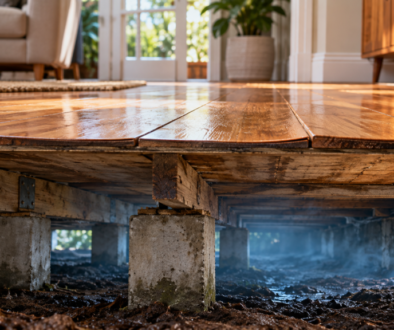
In a bathroom, effective source extraction is critical. In a home where bedroom windows are sweating each morning, controlled background ventilation may be the missing piece. In a house with musty odours and dampness beneath the floor, subfloor ventilation or drainage investigation may be required alongside any above-ground ventilation strategy.
This is why a ventilation assessment should consider the whole building. Insulation, draughts, heating habits, glazing, roof and subfloor conditions, household occupancy and existing exhaust fans all influence the result. Ventilation should not be used to disguise a plumbing leak, rising damp issue or building defect that needs separate repair.
Choosing the right system for your home
A new home or full renovation with accessible ceiling space may benefit from a ducted heat recovery system designed before construction is complete. It can provide fresh air to bedrooms and living spaces while extracting moisture from wet areas in a controlled, energy-conscious way.
An older Melbourne home with limited roof access may be better suited to decentralised heat recovery units in occupied rooms, combined with properly designed bathroom and laundry extraction. This can improve air quality with less disruption to established finishes.
For a home with one clearly affected area, a targeted ductless solution may be enough. For mould, condensation and stale air across multiple rooms, a whole-home ducted approach may offer better long-term control. Some homes benefit from a combination: central ventilation where it is practical, with a dedicated solution for a difficult room, subfloor or extension.
The brand of equipment matters, but the design matters first. Premium ventilation products perform best when airflow rates, locations and controls are selected for the home rather than chosen from a generic package.
Start with the home, not the hardware
Before selecting ducted or ductless ventilation, look for patterns. Note where mould appears, when windows condensate, which rooms smell stale and whether the problem changes after showers, cooking, rain or colder nights. These details help identify whether the issue is localised moisture, inadequate general ventilation or a broader building condition.
Ecoflow Ventilation takes this home-specific approach because healthier indoor air is not achieved by fitting the same system in every property. The most effective solution is the one that removes moisture where it is produced, brings in fresh air where people spend time and does so quietly, efficiently and reliably for the way your home is actually used.