A ventilation system can cost far less than the long-term price of living with recurring mould, condensation damage or a damp subfloor. Yet home ventilation system costs vary widely because a compact unit for one damp bedroom is a very different project from a balanced whole-home system that recovers heat while supplying filtered fresh air.
For Melbourne and Victorian homeowners, the right budget starts with the problem you are trying to solve. Condensation on windows, stale bedrooms, allergy symptoms, musty odours, wet underfloor spaces and uneven temperatures can all point to ventilation issues, but they do not all need the same equipment. A proper assessment helps avoid paying for a system that is either undersized or unnecessarily complex.
What do home ventilation system costs include?
The installed price is more than the ventilation unit itself. A well-designed system needs to move the right volume of air, in the right direction, without creating draughts, excessive noise or pressure problems elsewhere in the home.
Costs commonly include the equipment, ventilation design, installation labour, electrical connection, ducting or wall sleeves where required, grilles or external weatherproof hoods, controls, commissioning and final testing. Access can also make a meaningful difference. A single-storey home with accessible roof space is generally simpler to work in than a heritage property, a double-storey renovation or a home with a tight subfloor.
For this reason, two homes with a similar floor area can receive very different quotes. The layout, construction type, moisture load, occupancy and source of the problem all matter.
Typical home ventilation system cost ranges
The following ranges are broad installed estimates for residential projects. They are best used as a starting point for planning, not as a substitute for a home-specific quote.
Positive pressure ventilation
A positive pressure system typically introduces filtered roof-space air into the home to help dilute stale indoor air and reduce condensation. Installed costs often begin from around $2,000 and can reach $5,000 or more depending on the number of outlets, controls, filtration and roof-space access.
This can be a practical option in suitable homes, particularly where window condensation and stagnant air are the main concerns. However, it is not automatically the right answer for every moisture problem. If a home has a significant water leak, rising damp, poor bathroom extraction or a damp subfloor, those sources need attention rather than simply moving more air through the living spaces.
Decentralised ventilation units
Decentralised systems use individual through-wall units, usually serving bedrooms, living areas or selected problem rooms. A single installed unit may cost roughly $2,000 to $4,500, while several units across a home can bring the total to $6,000 to $15,000 or more.
They are especially useful in renovations and existing homes where installing extensive ductwork would be disruptive. Some models provide heat recovery, making them attractive for homeowners who want fresh air without throwing away as much winter warmth. Their limitation is coverage: a one-room unit cannot manage air quality throughout a large home on its own.
Centralised heat recovery or energy recovery ventilation
A centralised heat recovery ventilation system, often called HRV, extracts stale air from wet rooms while delivering filtered outdoor air to living and sleeping areas. Energy recovery ventilation, or ERV, operates on a similar principle but can also transfer some moisture between air streams, which may be valuable in particular climates and homes.
For a professionally designed centralised system, homeowners commonly budget from about $10,000 to $25,000-plus. New builds and major renovations are usually more cost-effective because duct routes, bulkheads and services can be planned early. Retrofitting a fully ducted system into a finished home can cost more where ceiling access is restricted or careful restoration is required.
The higher upfront investment can be worthwhile for households seeking whole-home fresh air, balanced ventilation, improved filtration and stronger energy performance. It is also a considered option for families managing allergies or asthma, provided the system is designed around the home and maintained correctly.
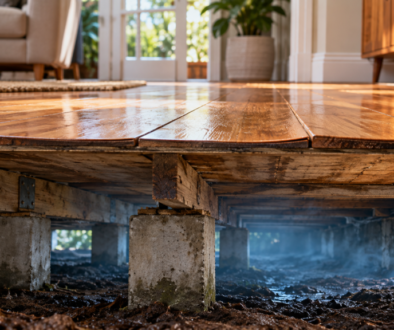
Subfloor ventilation
Subfloor ventilation generally costs from around $2,500 to $8,000 or more, depending on subfloor size, access, the degree of moisture, required fans, duct runs and external vent locations. In severe cases, drainage, plumbing repairs, ground moisture barriers or building works may be needed alongside mechanical ventilation.
A musty smell under the house, cold timber floors, cupping boards or visible mould on joists are reasons to investigate promptly. Mechanical subfloor ventilation can help remove humid air, but it will not fix a blocked drain, leaking pipe or poor site drainage. Identifying the moisture source protects both your budget and the structure of the home.
Heat transfer systems
Heat transfer systems move warm air from one part of the house, often near a heater or fireplace, to cooler rooms. Installed prices commonly sit around $2,500 to $6,000, depending on the number of rooms served and ducting complexity.
They improve comfort and may reduce reliance on secondary heating, but they are not a substitute for dedicated fresh-air ventilation. A heat transfer system redistributes indoor air. It does not remove the moisture and pollutants generated by showering, cooking, drying clothes and everyday occupancy.
The factors that change the final price
The biggest cost driver is system type, followed closely by installation complexity. Whole-home balanced ventilation needs more planning and materials than a single-room solution, but it also delivers a different level of performance.
The size and layout of the home matter because airflow must reach occupied rooms and be extracted from moisture-producing areas. Long duct runs, multiple storeys, concrete construction, limited ceiling cavities and heritage finishes can increase labour and materials. A home with four bedrooms, two bathrooms and an enclosed laundry will generally need more capacity than a small apartment.
Equipment quality also affects the budget. Premium systems from established manufacturers may offer quieter operation, better controls, efficient fans, higher-grade filtration and reliable long-term parts support. The cheapest unit is not always the lowest-cost choice if it is noisy enough to be switched off, difficult to maintain or unsuitable for the conditions it faces.
Finally, the scope of the diagnosis matters. Condensation can be caused by everyday moisture production combined with cold surfaces and inadequate airflow. Mould may also indicate roof leaks, plumbing faults or building-envelope issues. A ventilation recommendation should account for these conditions rather than treating every black spot on a ceiling as the same problem.
Choosing value rather than the lowest quote
When comparing quotes, ask what the proposal is designed to achieve. A useful scope explains the rooms being served, intended airflow, location of supply and extract points, expected controls, filtration needs and how the system will be commissioned. It should also make clear what is not included, particularly rectification of leaks, drainage faults or mould remediation.
Running costs deserve attention as well. Efficient EC fans, demand controls and heat recovery can reduce energy use compared with basic continuous extraction, although savings depend on household behaviour and the existing heating and cooling setup. Filters and fan components will need periodic maintenance, so factor this into the ownership cost from the outset.
A more expensive system can represent better value when it improves multiple issues at once: fresher bedrooms, lower humidity, less condensation, controlled extraction from bathrooms and laundry areas, and more comfortable winter ventilation. Conversely, a modest targeted installation may be the smarter decision when the issue is isolated to a single room or underfloor space.
When is a site assessment worth it?
A site assessment is particularly worthwhile if mould keeps returning after cleaning, windows are regularly sweating, the house smells damp, occupants experience persistent allergy symptoms indoors, or there is moisture beneath timber floors. These issues can have overlapping causes, and the wrong type of ventilation may produce disappointing results.
For homeowners planning a renovation or new build, early advice is even more valuable. Allowing for duct routes, ceiling space, external penetrations and electrical supply during design can improve the finished result and reduce installation costs later. Ecoflow Ventilation takes this home-specific approach because healthy airflow is not a one-size-fits-all product.
The most useful way to think about ventilation is not, “What is the cheapest system?” but, “What will reliably solve the moisture, air-quality or comfort issue in this particular home?” A clear diagnosis and a properly sized design give your investment the best chance of delivering drier air, healthier rooms and lasting peace of mind.