Why Your Wardrobe Smells Musty and How to Reduce Moisture in my house
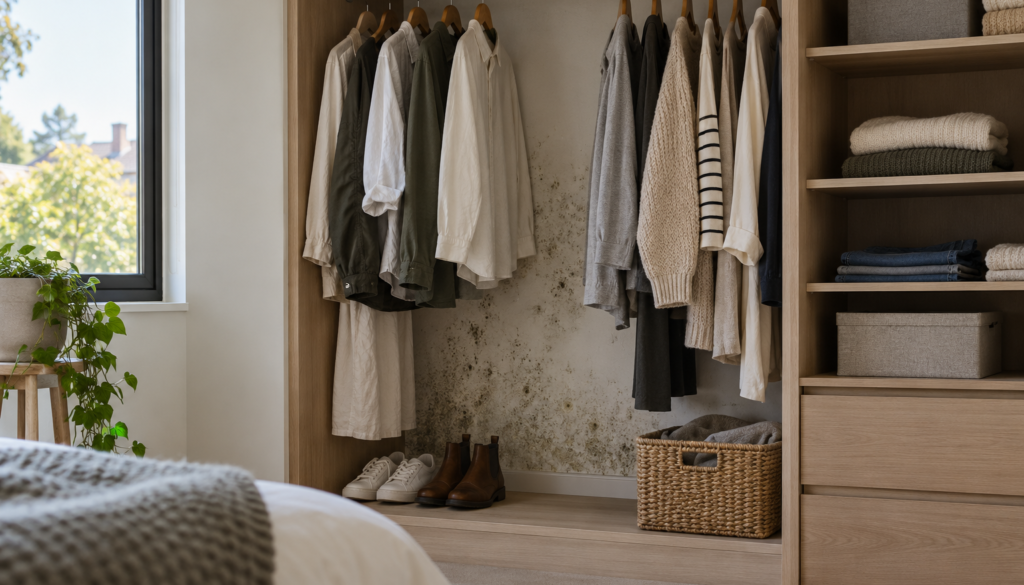
Opening your wardrobe should not mean discovering damp clothes, a lingering musty smell or mold on the back wall.
These problems can indicate excess moisture, poor airflow or a building defect. Fragrance products may disguise the smell, but they do not resolve the conditions causing it.
For Melbourne homes, understanding where the moisture comes from is the first step towards a lasting improvement.
Why does a wardrobe become damp?
A wardrobe is an enclosed space. Tightly packed clothes and boxes can restrict air movement, while a cold external wall can create conditions for condensation.
Moisture may also come from clothes stored before they are fully dry, a nearby bathroom, a plumbing leak or water entering through the building.
Signs worth investigating include:
- Clothes developing a musty smell after storage.
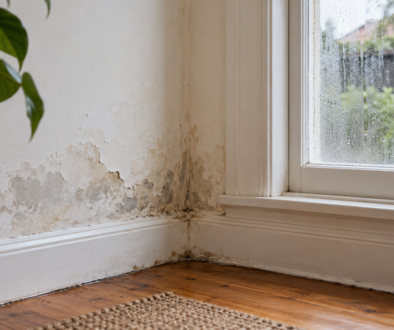
- Damp patches on the wardrobe wall.
- Mold behind shoes, boxes or furniture.
- Peeling paint or swollen shelving.
- Moisture returning after cleaning.
Start by checking for leaks
If dampness is concentrated in one area, check whether a roof, wall or plumbing leak could be involved.
Cleaning visible mold without fixing the moisture source can leave the underlying problem unresolved. Water-damaged materials also need to be dried promptly.
Improve the way you use the space
Practical changes can help reduce trapped moisture:
- Store clothing only when it is completely dry.
- Avoid packing shelves and hanging rails tightly.
- Leave room for air to move around stored items.
- Check hidden corners and the wall behind clothing.
- Open wardrobe doors periodically when room conditions support drying.
Moisture absorbents may help in a small enclosed space, but recurring dampness deserves a closer investigation.
Can home ventilation help?
Where high indoor humidity contributes to the problem, better ventilation may help manage moisture throughout the home.
However, the wardrobe itself still needs an airflow path. Improving bedroom ventilation may have limited benefit if the wardrobe remains tightly enclosed.
Ventilation also cannot repair water leaks or remove existing mold from affected materials.
A practical approach to recurring wardrobe dampness
The right solution may involve several changes: addressing a leak, improving airflow, managing indoor moisture and dealing with affected surfaces or belongings.
If damp wardrobes and musty rooms keep returning, contact EcoFlow Ventilation to discuss ventilation options for your Melbourne home.