Rising Damp vs Condensation: Understanding Moisture in Your Home
Damp walls, peeling paint and a musty smell can be worrying. However, similar-looking moisture problems can have very different causes.
Rising damp, condensation, leaks and rain penetration require different responses. Choosing a solution before identifying the source may leave the problem unresolved.
What is rising damp?
Rising damp involves moisture moving upwards from the ground through porous building materials.
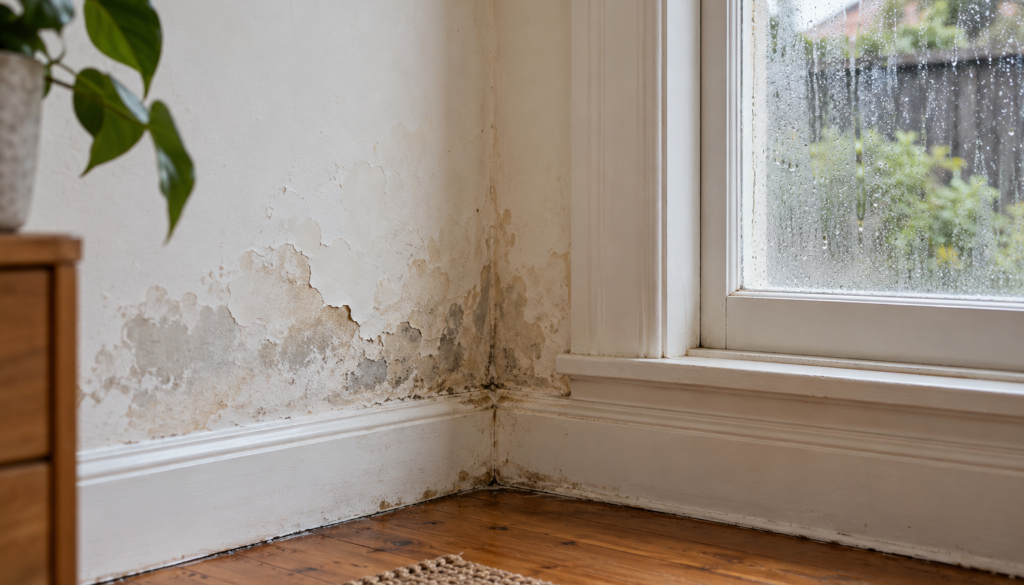
Possible signs include low-level wall dampness, salt deposits and deteriorating finishes. These signs are clues rather than a confirmed diagnosis: other moisture problems can produce similar damage.
An investigation should consider the building, drainage, ground levels and possible water entry points.
What is condensation?
Condensation occurs when moist air meets a surface cold enough for water to collect.
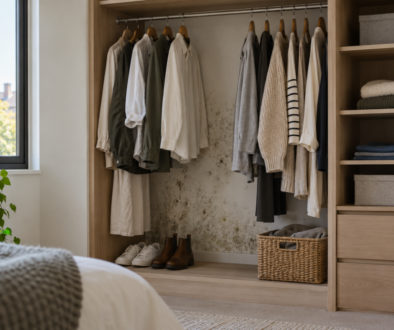
It may appear on windows, cold walls or surfaces behind furniture. In bedrooms, bathrooms and storage spaces, excess moisture and limited airflow can contribute to the conditions that allow mould to grow.
Reducing moisture and addressing cold surfaces can help manage condensation.
Can you tell the difference by appearance?
Appearance alone is not enough.
Window droplets may suggest condensation, while dampness near the base of a wall may prompt an investigation into ground moisture. A patch that worsens after rain could point towards water penetration.
Several causes can also occur in the same property.
Useful observations include when the dampness appears, whether it changes after rain and whether nearby rooms have moisture problems.
Where does subfloor ventilation fit?
Subfloor ventilation can help exchange air beneath a suspended floor where inadequate airflow contributes to damp conditions.
However, it does not replace drainage repairs, plumbing repairs or treatment of a confirmed damp-proofing defect. Standing water and continuing water entry need their own solutions.
The subfloor layout, vent positions and moisture source should guide the ventilation design.
Address the cause before covering the damage
Repainting a damp wall may improve its appearance temporarily, but the moisture source still needs attention.
A suitable approach may combine building repairs, drainage improvements and ventilation, depending on the findings.
Concerned about damp conditions beneath your Melbourne home? Contact EcoFlow Ventilation to discuss whether subfloor ventilation could form part of the solution.