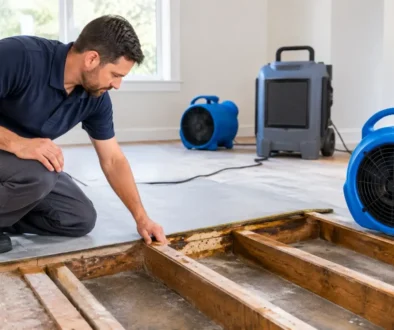
A home can look clean and still hold onto moisture, odours and pollutants. If windows regularly sweat in winter, mould returns after cleaning, bedrooms feel stuffy, or there is a damp smell under the floor, mechanical ventilation systems can address the conditions behind the problem rather than simply masking the symptoms.
For Melbourne homes, ventilation is rarely a matter of opening a window and hoping for the best. Cold mornings, wet weather, tightly sealed renovations and everyday activities such as showering, cooking and drying clothes indoors can all add moisture to the air. A well-designed system removes stale, humid air and introduces fresh air in a controlled way, helping create a drier, healthier and more comfortable home.
What mechanical ventilation systems do
Mechanical ventilation uses fans, ducts, grilles and controls to move air deliberately through a home. Unlike natural ventilation, which relies on open windows, gaps in the building and changing weather conditions, it provides more consistent airflow when the house is closed up.
The goal is not simply to move air around. Effective ventilation replaces moisture-laden or polluted indoor air with fresher outdoor air, while avoiding unnecessary heat loss where possible. Depending on the system, it may also recover warmth from outgoing air, ventilate a damp subfloor, or transfer excess warmth from one room to another.
This matters because indoor moisture does not stay neatly contained in a bathroom or laundry. It can settle on cold windows, external walls, ceilings and inside wardrobes. Over time, persistent humidity can support mould growth, contribute to musty odours and affect timber, plaster and furnishings.
Why homes develop ventilation problems
Many older homes were built with more natural leakage than newer homes. Draughts around doors, windows and floors allowed air to move, although not always comfortably or efficiently. Modern homes and renovated spaces are often much better sealed for energy performance. That is positive for heating and cooling, but it also means moisture and airborne pollutants can remain indoors unless there is a planned path for ventilation.
A household of four can produce several litres of water vapour a day through showers, cooking, breathing and laundry. Add an unvented dryer, long showers, a bathroom exhaust fan that is rarely used, or a roof space with inadequate airflow, and moisture levels can climb quickly.
Not every condensation or mould issue has the same cause. A leaking pipe, rising damp, roof leak or building defect needs to be identified and repaired. Ventilation cannot fix water entering through the structure. However, where the core issue is high indoor humidity, poor air exchange or trapped subfloor moisture, the right system can make a substantial difference.
Choosing the right type of home ventilation
The best option depends on the home’s layout, age, insulation, existing moisture issues and how occupants use the space. A tailored assessment is more useful than selecting a system based on a single symptom.
Centralised ventilation
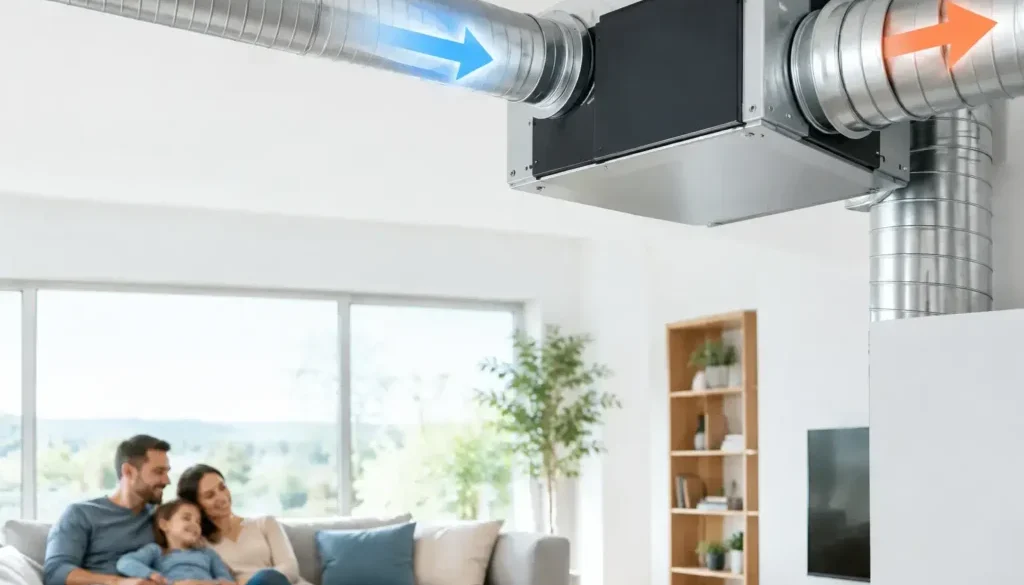
A centralised system uses ductwork to serve multiple rooms from one main unit. It can provide balanced, whole-home ventilation, extracting stale air from wet areas such as bathrooms, laundries and kitchens while supplying fresh air to bedrooms and living spaces.
This approach suits new builds and major renovations particularly well, because duct routes can be incorporated into the design. It can also suit existing homes where roof-space access is available. The trade-off is that installation planning is more involved, and the system must be sized and commissioned properly to avoid excessive noise or uneven airflow.
Heat recovery and energy recovery ventilation
Heat recovery ventilation, often called HRV, transfers heat from outgoing stale air to incoming fresh air without mixing the two airstreams. In winter, this can reduce the amount of warmth lost when ventilating the home. It is a strong option for households wanting better air quality without relying on open windows during cold weather.
Energy recovery ventilation, or ERV, works similarly but can also transfer some moisture between airflows. This can be useful where humidity management is required across different seasons. Whether an HRV or ERV is the better fit depends on the building and local conditions. The aim is always balanced ventilation and practical comfort, not a label on the unit.
Decentralised ventilation
Decentralised systems use smaller, room-based units rather than a full duct network. They are often a practical solution for existing homes, apartments, targeted problem rooms or renovations where running ducts is difficult.
Some decentralised units offer heat recovery and operate in paired cycles, maintaining a balanced exchange of air between rooms. They can be less disruptive to install than a centralised system, but they need careful positioning. A unit placed only in one damp room may not improve air quality throughout the rest of the home.
Positive pressure ventilation
Positive pressure systems introduce filtered air into the home, creating gentle pressure that encourages stale indoor air to leave through natural escape paths. They may assist with stale air and some condensation concerns in suitable homes, particularly where roof-space air quality and system design are carefully considered.
They are not a universal answer. In a very airtight home, or where there are significant moisture sources, a balanced extraction and supply strategy may offer more predictable results. The system should be chosen based on how air, moisture and contaminants are moving through the specific building.
Subfloor ventilation
Damp, musty air under a house can affect more than comfort. It may contribute to cold timber floors, fungal growth, timber deterioration and unpleasant odours that migrate into living areas. Subfloor ventilation uses purpose-designed fans and vents to remove humid air from the underfloor area and encourage drier replacement air.
The correct fan capacity, vent placement and airflow direction matter. Simply adding a fan without considering the size of the subfloor, existing vents, drainage and sources of water may produce limited results. Standing water, plumbing leaks and poor site drainage must be dealt with alongside ventilation.
What a properly designed system should consider
A ventilation system is only as effective as its design. Room size alone does not tell the whole story. A professional recommendation should consider the home’s construction, orientation, occupancy, insulation, window performance, heating habits and the location of moisture sources.
It should also account for outdoor air quality. Fresh air is valuable, but intake locations should be selected away from carports, busy driveways, exhaust outlets and other potential contaminants. Filters need to be accessible for maintenance, and fans should be quiet enough that occupants will leave the system running as intended.
In many cases, ventilation works best alongside smaller improvements. Using kitchen rangehoods while cooking, running bathroom exhaust fans after showers, venting clothes dryers outdoors where possible and maintaining reasonable indoor temperatures can all reduce condensation risk. These actions do not replace whole-home ventilation where it is needed, but they support better results.
What homeowners can realistically expect
Mechanical ventilation does not make a cold house instantly warm, nor does it remove mould already embedded in damaged materials. What it can do is reduce the humidity and stagnant air that allow condensation and mould to keep returning.
Many homeowners notice that rooms smell fresher, windows have less condensation, and bedrooms feel less stuffy. For families affected by allergies or asthma, cleaner and more consistently refreshed indoor air may also improve day-to-day comfort. Outcomes vary, especially where a property has multiple underlying issues, which is why diagnosis matters before installation.
Energy use is another fair question. Fans use electricity, but modern systems are designed for efficient, continuous operation. Heat recovery options can reduce heating losses associated with fresh-air ventilation, while a correctly sized system avoids wasting energy through excessive airflow. The right comparison is not just the fan’s running cost, but the wider value of controlling moisture, protecting the building and improving indoor air quality.
Maintenance keeps ventilation working
Most systems need straightforward, regular care. Filters should be checked and replaced or cleaned according to the manufacturer’s instructions. External grilles need to remain clear of leaves, dust and other obstructions, while ducts and fans may need periodic inspection.
If airflow becomes noisier, weaker or uneven, it is worth investigating early. A blocked filter, damaged duct, failed fan or altered roof-space condition can reduce performance. Ongoing maintenance protects both air quality and the lifespan of the equipment.
A healthier home starts with understanding where the moisture is coming from and where the air is getting trapped. For persistent condensation, mould, stale air or underfloor dampness, a home-specific ventilation assessment can provide a clearer path than another round of cleaning products.