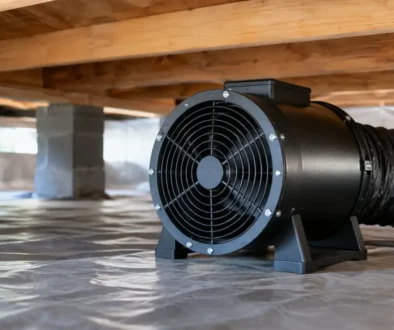
A ventilation system that runs quietly in the background can still collect dust, lint and airborne particles over time. Knowing how to clean home ventilation system components correctly helps preserve airflow, supports healthier indoor air and prevents a small maintenance task from becoming an expensive repair. The key is recognising what you can safely clean yourself and what should be left to a qualified technician.
For Melbourne homes, this matters most where condensation, recurring mould, allergies or stale rooms are already a concern. A blocked filter or dirty exhaust grille will not usually cause these issues on its own, but it can reduce the system’s ability to remove moist, stale air when your home needs it most.
Start by identifying your ventilation system
Before removing a cover or reaching for a vacuum, establish what type of system you have. Maintenance requirements differ between a bathroom exhaust fan, a positive pressure ventilation system, a centralised heat recovery ventilation system and a decentralised unit installed through an external wall.
A simple exhaust system generally has ceiling grilles, ducting and a fan that expels air outdoors. Positive pressure systems introduce filtered roof-space or outdoor air into the home. Energy recovery ventilation (ERV) and heat recovery ventilation (HRV) systems both move stale air out and fresh air in, often through separate ducts and a heat exchanger. Decentralised systems usually serve individual rooms and have an internal cover, filter and core or cartridge.
Check the manufacturer’s manual before cleaning. It will identify which filters are washable, which must be replaced, and whether a heat-exchange core can be removed. If the manual is missing, avoid dismantling internal parts until you have professional advice. Many premium systems are designed for straightforward homeowner filter maintenance, but their motors, wiring and internal controls are not DIY service items.
How to clean home ventilation system filters and grilles
For most households, filters and visible grilles are the regular maintenance jobs. Plan to inspect them every three months, particularly if you live near a main road, have pets, are renovating, or notice dust building up quickly. Some homes need filter attention more often during Melbourne’s pollen season or after bushfire smoke has affected air quality.
First, switch the system off at its isolator or circuit breaker. Do not rely only on a wall control, as some systems can restart automatically. Put on gloves and a P2 mask if there is visible dust, mould or debris around the grille.
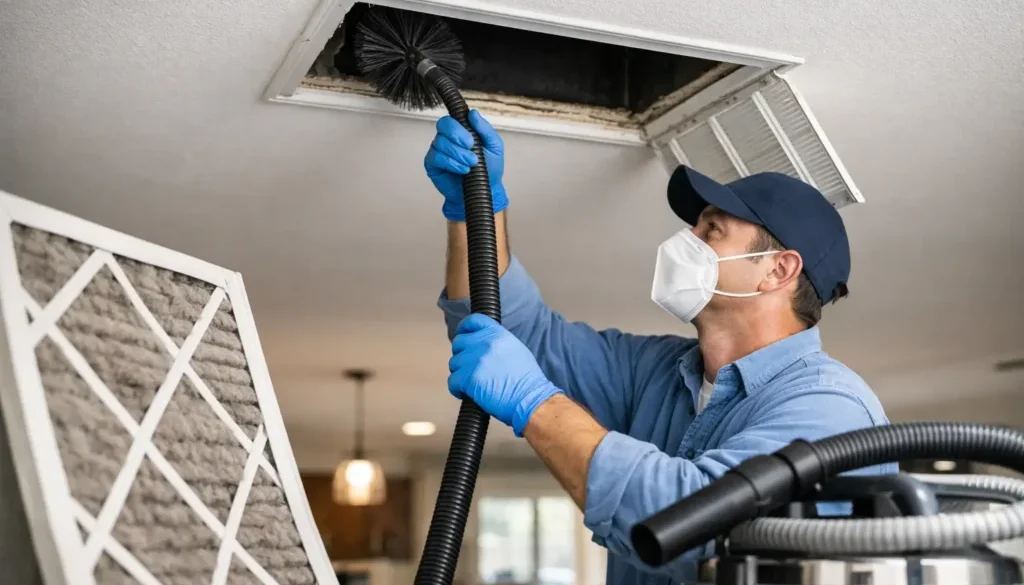
Remove the grille or internal cover carefully. Most are held by clips, screws or a light twist fitting. Vacuum loose dust using a soft brush attachment, then wipe the cover with a damp microfibre cloth and mild detergent. Dry it fully before reinstalling it. Avoid soaking electrical fittings or spraying cleaner into a ceiling opening.
Take out the filter only as instructed by the manufacturer. A reusable filter can usually be vacuumed gently or rinsed with clean water if the manual permits it. Let it dry completely in a clean, shaded area before putting it back. Reinstalling a damp filter can encourage mould growth and restrict airflow.
Disposable filters should be replaced rather than washed. Check the replacement filter is the correct size, grade and orientation. Fitting it backwards or using a denser filter than the system is designed for can reduce airflow, increase fan noise and place unnecessary load on the motor.
Clean accessible vents without disturbing the ductwork
Supply and return vents on ceilings, walls or floors can collect a surprising amount of lint. Once the system is isolated, vacuum the face of each vent and the area immediately behind it where accessible. A soft brush is usually enough. Do not push a vacuum hose, wire brush or cleaning rod deep into the duct.
Flexible ducting can tear, disconnect or compress if handled roughly. In older homes, ducts may also have limited insulation or poorly sealed joins. Disturbing them can create air leaks in roof spaces, reduce system performance and introduce more dust into the airflow path.
If a vent has adjustable blades, take a photo of its position before moving it. This makes it easier to return the vent to its original setting. Air balancing is often deliberate, especially in homes with centralised ventilation. Closing a vent because one room feels cool or draughty may affect moisture control and fresh-air delivery elsewhere.
Treat heat recovery and decentralised units with care
HRV and ERV systems deserve a little more caution because they contain components that recover heat between outgoing and incoming air streams. Depending on the model, the accessible items may include two filters, a removable heat-exchange core, condensate drain and external intake or exhaust grilles.
Only remove the heat-exchange core if the manufacturer specifically allows homeowner cleaning. It may need gentle vacuuming, careful rinsing or no cleaning at all. Never use harsh chemicals, bleach, high-pressure water or a stiff brush on the core. Damage to its delicate channels can reduce heat recovery and upset airflow between the supply and exhaust sides.
For decentralised wall units, clean the room-side cover and replace or clean the filter as directed. The ceramic recovery core in some systems is fragile and should be handled only by its designated tabs or frame. If you are unsure how the core comes out, stop rather than forcing it.
External wall grilles also need periodic attention. Clear leaves, cobwebs and dirt from around the opening, making sure the grille remains unobstructed. Keep garden growth, stored items and outdoor furniture away from vents so the system can draw and discharge air freely.
Check for warning signs while you clean
Cleaning is a useful opportunity to notice changes that point to a larger problem. Dust on a grille is normal. Black staining, damp insulation, water marks around ceiling vents, a persistent musty odour or visible mould are not maintenance issues to simply wipe away.
Listen when the system restarts. Rattling, scraping, intermittent operation or unusually loud fan noise can indicate a loose component, failing fan, blocked duct or worn motor. Weak airflow from multiple vents may mean a filter is overdue, but it can also suggest duct leakage, a blocked external termination or a system that needs balancing.
Pay attention to condensation as well. If bathroom mirrors stay wet long after a shower, windows are regularly dripping in winter, or mould returns after cleaning, your home may have a broader moisture-management issue. A ventilation system needs to be correctly sized, designed and operated for the household, not simply cleaned more often.
When professional cleaning or servicing is the better option
Professional help is worthwhile when ducts are visibly contaminated, there has been water damage, animals or insects may have entered the ductwork, or the system has not been serviced for several years. It is also the sensible choice if you cannot safely access roof-space equipment, external grilles or a high ceiling vent.
A qualified ventilation technician can inspect fan performance, duct condition, electrical connections, condensate drainage and airflow settings. This is particularly valuable for heat recovery, energy recovery and positive pressure systems, where the best outcome relies on more than clean filters. The technician can also confirm that fresh-air intake and exhaust points are correctly located and operating as intended.
Be cautious with blanket offers to “clean every duct” without an inspection. Duct cleaning can be useful in specific circumstances, but it is not automatically required for every home. The right approach depends on the system design, visible condition, household health needs and signs of restricted airflow. Good maintenance is targeted, not disruptive for the sake of it.
Build a realistic maintenance routine
A practical routine is more effective than waiting until airflow feels poor. Check filters and internal grilles every three months, inspect external vents twice a year, and arrange servicing in line with your system manufacturer’s recommendations. Keep a note of filter changes and any unusual noise, condensation or odours. It makes patterns easier to spot and gives a technician useful information if a fault develops.
After major renovations, sanding, painting or plaster work, inspect the filters sooner. Construction dust is fine enough to load filters quickly and may travel through open vents before the work area is fully cleaned. If possible, protect room vents during dusty work and ensure the system is turned off while contractors are producing heavy dust.
A clean ventilation system should be largely invisible: fresh rooms, less lingering humidity, quieter operation and no need to constantly open windows just to make the home feel breathable. If those results are not there despite regular cleaning, a tailored assessment from a residential ventilation specialist such as Ecoflow Ventilation can identify whether maintenance, adjustment or a different ventilation approach will better support your home.