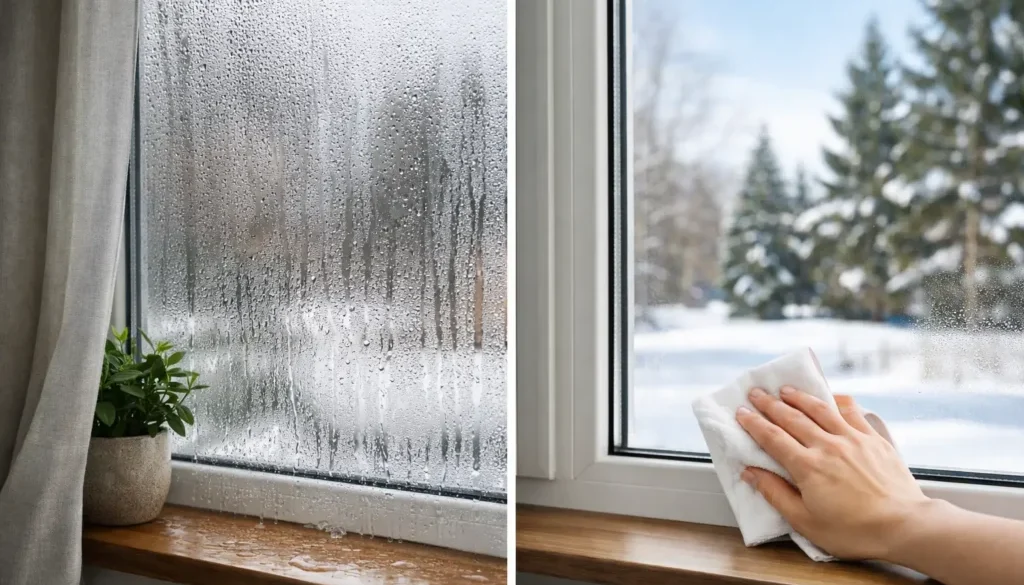
A bedroom window covered in water on a cold Melbourne morning is more than an annoyance. It can soak timber reveals, encourage mould around frames and signal that too much moisture is being held inside your home. Understanding how to stop window condensation starts with recognising that the glass is not usually the real problem. It is simply the coldest surface where indoor moisture becomes visible.
Why windows sweat in the first place
Condensation forms when warm, moisture-laden indoor air meets a surface that is colder than the air’s dew point. The air cools against the glass and can no longer hold as much water vapour, so water droplets appear.
Everyday living produces a surprising amount of moisture. Showers, cooking, drying clothes indoors, unflued gas heaters and even breathing while you sleep all add water vapour to the air. In a tightly closed home, particularly through winter, that moisture has limited ways to escape. It settles on the coldest available surfaces: often windows, but sometimes walls, ceilings, wardrobes and roof spaces too.
A little condensation at the very edge of a window on an especially cold morning may not indicate a major fault. Regular water running down the glass, puddling on sills or mould returning around windows is different. That pattern deserves attention because it can affect both indoor air quality and the building fabric over time.
It also helps to check where the moisture is sitting. Condensation on the room side of the glass points to indoor humidity. Moisture between panes of double glazing can indicate a failed sealed unit. Condensation on the outside pane can simply mean efficient glazing is keeping indoor heat in, and is generally not a concern.
How to stop window condensation at the source
The most reliable approach is to reduce moisture production where practical, remove humid air at its source and provide controlled fresh-air exchange across the home. Wiping windows dry is worthwhile for protecting the sill, but it only manages the symptom.
Use bathroom and kitchen extraction properly
Bathrooms and kitchens are major moisture sources. Run an externally vented bathroom exhaust fan during every shower and leave it operating for at least 15 to 20 minutes afterwards. Keep the bathroom door closed while showering so steam is captured rather than spreading through bedrooms and hallways.
In the kitchen, use a rangehood that vents outdoors whenever pots are boiling or pans are steaming. A recirculating rangehood can help with odours and grease, but it does not remove the water vapour created by cooking. If windows are regularly wet after dinner, cooking moisture may be travelling through the house overnight.
The fan itself matters. An undersized, noisy or poorly ducted fan is often switched off quickly and may not move enough air. Good extraction needs an effective fan, suitable ducting and an external discharge point. Venting into a roof space transfers the moisture problem rather than solving it.
Reduce moisture from drying and heating
Where possible, dry washing outside. If weather or space makes that unrealistic, use a clothes dryer vented outside or a condenser/heat-pump dryer that collects moisture. An indoor clothes rack can release litres of water into a home over a day, which commonly shows up on bedroom windows the next morning.
Avoid using unflued gas heaters as a main heating source. Burning gas produces water vapour as well as heat, so these appliances can noticeably increase condensation in enclosed rooms. A reverse-cycle split system, hydronic heating or another appropriately installed electric heating option will not add combustion moisture indoors.
Keep lids on saucepans, use the bathroom fan after mopping, and make sure aquariums are covered where practical. None of these steps replaces ventilation, but small reductions add up in a home already carrying excess humidity.
Let air circulate around cold surfaces
Still air allows humidity to build up in corners and around windows. Open curtains and blinds during the day so warmer room air can reach the glass and dry any residual moisture. Do not push large furniture hard against external walls, especially in bedrooms and wardrobes, where hidden mould can develop in cool, stagnant pockets.
Opening windows for a short period can help on a dry day, but it is not always a complete or comfortable answer. Melbourne weather can be cold, wet or humid, and opening windows may bring in noise, pollen, smoke or security concerns. Many households also close windows at night, which is when bedroom humidity rises most sharply.
Improve the window, but do not rely on glazing alone
Better-performing windows raise the temperature of the internal glass surface, making condensation less likely. Double glazing, well-fitted seals, thermal window frames and suitable window coverings can all help. In a renovation or new build, these measures are sensible parts of a comfortable, energy-efficient home.
However, glazing does not remove the moisture generated indoors. In fact, as homes become more airtight and better insulated, they may hold on to humidity more effectively unless ventilation is designed alongside the thermal upgrades. Replacing single-glazed windows may reduce visible condensation but leave high humidity affecting wardrobes, bathrooms or less obvious cold areas.
Temporary measures such as moisture absorbers and portable dehumidifiers can be useful in a specific room or while a larger issue is being addressed. They are not usually the most practical long-term solution for a whole house. A dehumidifier needs to be correctly sized, emptied or drained, and run consistently. It treats the air in its immediate area rather than providing fresh-air circulation throughout the home.
When everyday ventilation is not enough
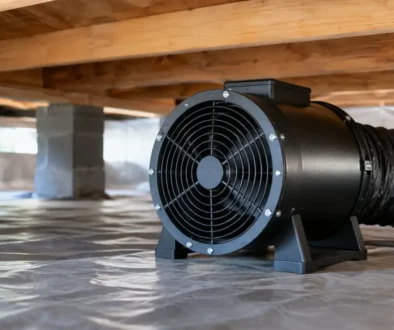
If condensation persists despite consistent use of extraction fans and sensible moisture control, your home may need a more considered ventilation solution. This is particularly common in older homes with poor air movement, newer homes that are tightly sealed, houses with recurring mould, or properties with damp subfloors adding moisture from below.
A professionally designed mechanical ventilation system can exchange stale, humid indoor air for filtered outdoor air at a controlled rate. The right system depends on the home’s layout, insulation, occupancy, moisture sources and existing services. There is no single fan or system type that suits every property.
Positive pressure ventilation
Positive pressure systems introduce filtered air into the home, creating gentle pressure that helps move stale air out through natural leakage paths or purpose-designed outlets. They can improve overall air movement and may suit some existing homes, particularly where a practical central installation route is available.
Their performance depends on outdoor conditions and the home’s ability to exhaust moist air effectively. They should be selected as part of a whole-home assessment rather than as a blanket answer to every condensation problem.
Heat recovery and energy recovery ventilation
Heat recovery ventilation, often called HRV, removes stale indoor air while bringing in fresh outdoor air through a heat exchanger. In cooler weather, much of the heat from outgoing air is transferred to incoming air, reducing the energy penalty associated with ventilation.
Energy recovery ventilation, or ERV, can also transfer a portion of moisture between air streams. This can be particularly useful where humidity control and year-round comfort need to be balanced. The best choice depends on local climate, household routines and the level of airtightness in the building.
Decentralised systems for existing homes
Decentralised ventilation units are often a practical option for renovations and established homes where installing extensive ductwork is difficult. Installed in selected rooms or zones, they can provide controlled fresh air and, in some cases, heat recovery without major ceiling-space alterations.
This approach can be valuable for problem bedrooms, living zones or areas that have persistent mould. The key is ensuring the units are positioned and sized to support how air moves through the entire home, rather than treating one wet window in isolation.
Check for hidden moisture contributors
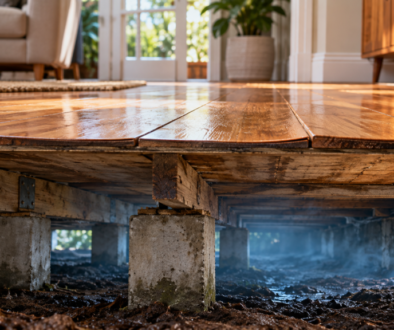
Window condensation can be made worse by issues beyond day-to-day living. Plumbing leaks, overflowing gutters, roof leaks, rising damp and poor drainage may introduce moisture that no amount of window opening will resolve. A musty smell under the house, cold timber floors or visible subfloor dampness can point to a separate underfloor ventilation or drainage issue.
Pay attention to the timing and location of condensation. If it is mostly in bedrooms in the morning, overnight occupancy and closed doors are likely contributors. If it follows showering or cooking, source extraction may be inadequate. If it appears throughout the home despite low moisture activities, investigate building leaks, subfloor conditions and the effectiveness of existing ventilation.
A hygrometer can help turn guesswork into useful information. Indoor relative humidity is commonly more comfortable when managed around 40 to 60 per cent, although the ideal range varies with temperature and building conditions. Readings that remain high for long periods, especially in winter, support the case for improving moisture control and air exchange.
A healthier, drier home is the real goal
Stopping condensation is not about chasing perfectly dry glass every morning. It is about creating a home where moisture is managed before it can feed mould, damage finishes or leave rooms feeling stale. Start with effective bathroom and kitchen extraction, reduce avoidable indoor moisture and keep air moving through the home.
If the issue keeps returning, a home-specific ventilation assessment can identify whether the cause is moisture generation, inadequate extraction, poor circulation, subfloor dampness or a combination of factors. Ecoflow Ventilation helps Victorian homeowners match the right ventilation approach to the way their home is built and lived in, so the result is not just clearer windows, but cleaner air and more comfortable rooms every day.