A bathroom mirror dripping long after a shower, water on bedroom windows at dawn, or a persistent musty smell are all signs homeowners recognise. But does ventilation lower humidity? Usually, yes – provided the system replaces moist indoor air with drier outdoor air and is designed for the way your home is used. Ventilation is highly effective at managing everyday moisture, but it is not a cure for every dampness problem.
The difference matters. If humidity is caused by showers, cooking, drying clothes, people sleeping and normal day-to-day living, well-planned ventilation can make a substantial improvement. If water is entering through a leak, rising from a damp subfloor, or travelling through an unsealed building defect, that moisture source needs attention as well.
How ventilation lowers humidity
Humidity is simply water vapour in the air. Every household produces it: a family showering in the morning, a pot simmering on the cooktop, laundry drying on an indoor rack and even breathing overnight all add moisture to indoor air.
Ventilation lowers the amount of moisture indoors by exhausting stale, humid air and bringing in replacement air. When the incoming air contains less moisture than the air being removed, the home gradually dries out. This reduces the conditions that allow condensation to form on colder surfaces such as glass, external walls and poorly insulated corners.
The key is not merely moving air around. A ceiling fan can make a room feel more comfortable, but it does not remove water vapour from the house. Likewise, opening an internal door may spread humid air from the bathroom into the hallway rather than solve the problem. Effective ventilation creates a path for moisture to leave the building.
Relative humidity versus moisture in the air
Home humidity is usually described as relative humidity, or RH. This figure shows how close the air is to holding all the water vapour it can hold at its current temperature. Warm air can hold more moisture than cold air, so RH can rise overnight as rooms cool, even if no extra water has been added.
For most homes, an indoor RH of roughly 40 to 60 per cent is a sensible comfort target. Sustained levels above 60 per cent increase the likelihood of mould growth, especially in cool or poorly circulated areas. However, the reading alone does not tell the whole story. A home can have a reasonable average humidity level while still experiencing condensation in a cold bedroom or inside a wardrobe.
This is why a moisture assessment should consider ventilation, temperature, insulation, occupancy and where moisture is being generated. The right solution is rarely a matter of fitting the biggest fan available.
When ventilation works best for humidity control
Ventilation is particularly useful where moisture production is regular and predictable. Bathrooms need moisture extracted during and after showers. Kitchens benefit from proper extraction when cooking. Bedrooms may need a controlled fresh-air path overnight, particularly in tightly sealed homes where several people sleep with doors closed.
Whole-home mechanical ventilation can be valuable where condensation or stale air occurs across several rooms. Rather than relying on occupants to open windows at the right time, the system provides consistent air exchange in the background. This is especially helpful through Melbourne’s cooler months, when households tend to keep windows closed and indoor surfaces become cold enough for condensation.
In an older home, targeted exhaust ventilation may address a local issue such as a damp bathroom. In a new or renovated home with improved draught sealing, a balanced, whole-home approach may be more appropriate. Tighter homes retain heat more effectively, but they also retain moisture and pollutants unless fresh air is deliberately managed.
The outdoor air condition matters
Ventilation does not always lower humidity immediately. On a warm, wet day, outdoor air may carry a high amount of moisture. Opening every window may then make the home feel stickier rather than drier.
That does not mean ventilation has failed. It means the strategy needs to suit the conditions. Mechanical systems can still remove moisture generated inside, while controlled airflow, sensible operating times and appropriate heating help prevent humid air from settling on cold surfaces. In persistently humid weather, a dehumidifier may also be useful as a complementary measure.
A good design takes account of local climate, the building layout and the type of moisture issue. It avoids the simplistic promise that more outdoor air will fix every humidity problem in every season.
Which ventilation systems can help?
The best system depends on where the moisture is coming from and how it is moving through the home. A single exhaust fan may be enough for a small, otherwise dry bathroom. Recurring whole-house condensation calls for a broader look at air exchange, building fabric and heating.
Local exhaust ventilation removes humid air directly from bathrooms, laundries and kitchens. It needs to vent outdoors, not into a roof space, and it should be correctly sized and ducted. A fan that is noisy, weak or switched off too soon often leaves moisture behind.
Positive pressure ventilation introduces filtered air to encourage stale air to leave through existing leakage paths or designated outlets. It can improve air movement in suitable homes, although performance for humidity control depends on outdoor conditions, the home’s airtightness and where replacement air enters.
Balanced mechanical ventilation, including heat recovery ventilation and energy recovery ventilation, supplies and extracts air in a controlled way. Heat recovery systems transfer heat from outgoing air to incoming air, helping reduce the energy penalty of winter ventilation. Energy recovery systems can also transfer some moisture between air streams, which can be beneficial in particular climates and household conditions. The right choice should be based on the home, not a generic rule.
Decentralised ventilation uses individual units in selected rooms. It can be a practical option for renovations, bedrooms or problem areas where extensive ductwork is not suitable.
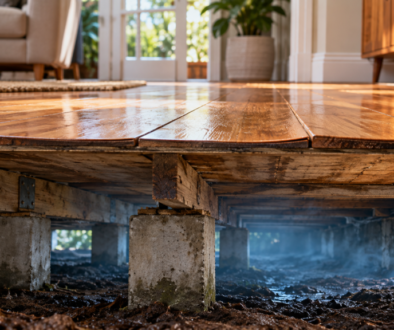
Subfloor ventilation addresses a different but equally important moisture zone. Damp air and ground moisture beneath a suspended timber floor can contribute to musty odours, cold floors, timber movement and elevated indoor humidity. Improving underfloor airflow may be part of the solution, but drainage, ground moisture barriers and plumbing leaks also need to be checked.
Ventilation will not fix these moisture sources on its own
If mould returns quickly after cleaning, it is tempting to blame poor air circulation alone. In reality, ventilation cannot remove water that is continually entering the structure. Roof leaks, failed flashing, plumbing leaks, overflowing gutters, poor site drainage, rising damp and wet subfloor soil require investigation and repair.
Nor can ventilation fully compensate for very cold internal surfaces. Condensation forms when moist air contacts a surface below its dew point. Better insulation, reduced thermal bridging and more even heating can raise surface temperatures and make condensation less likely. This is often where a combined approach delivers the best result: reduce moisture production, extract humid air, provide controlled fresh air and keep vulnerable surfaces warmer.
Drying clothes indoors deserves special attention. One load can release a surprising amount of water into the home. If outdoor drying is not possible, use a vented or condensing dryer where appropriate, close the laundry door and ensure the room has effective extraction. Avoid treating the whole house as a drying room during winter.
Getting better results from your existing ventilation
Small operating habits can improve performance before larger changes are considered. Run bathroom extraction while showering and for long enough afterwards to clear residual moisture. Use a rangehood that exhausts outdoors when cooking, particularly when boiling, steaming or using multiple burners. Keep trickle vents or designed air pathways clear, and avoid blocking vents with furniture or stored items.
It also helps to watch patterns rather than one-off events. Note which windows sweat, whether mould appears behind furniture, whether the issue is worse after rain, and whether it is limited to bedrooms, bathrooms or the subfloor. A simple hygrometer can reveal overnight humidity peaks, but it should be read alongside what is happening in the room.
For ongoing condensation, mould or damp odours, a home-specific assessment is worthwhile. Ecoflow Ventilation considers the moisture source, room use, building construction and practical installation options before recommending a system. That approach helps avoid spending money on equipment that moves air without addressing the actual problem.
A drier home is not created by ventilation alone. It comes from giving moisture a reliable way out, stopping unwanted water at its source and creating indoor conditions where your family and your home can stay comfortable for the long term.