A home can look clean and well maintained while quietly holding too much moisture. Indoor humidity often shows itself through windows that sweat each morning, a musty smell in a spare room, mould returning behind furniture, or timber floors that feel cold and damp underfoot. These are not simply cosmetic annoyances. They can point to a ventilation issue that affects comfort, air quality and the condition of your home.
For Melbourne and Victorian homeowners, humidity can be particularly frustrating because weather conditions change quickly, homes are closed up during colder months, and modern renovations often make buildings more airtight. The answer is rarely to open a window for an hour or buy another moisture absorber. Lasting humidity control starts with understanding where moisture is coming from, where it is collecting and how your home is moving air.
What is a healthy indoor humidity level?
Humidity is the amount of water vapour in the air. It is usually measured as relative humidity, or RH, which describes how much moisture the air is holding compared with the maximum it could hold at that temperature.
For most homes, a relative humidity level of around 40 to 60 per cent is a practical target. In winter, aiming closer to 40 to 50 per cent can help reduce condensation on cold glass, walls and ceilings. In summer, humidity may naturally rise, particularly after rain or during humid weather, but consistently high readings still deserve attention.
The number alone does not tell the whole story. A room at 60 per cent RH may be comfortable when it is warm and well ventilated, while the same reading in a cold bedroom can lead to moisture settling on windows and external walls. This is why the pattern matters: when readings rise, which rooms are affected and whether there are visible signs of condensation or mould.
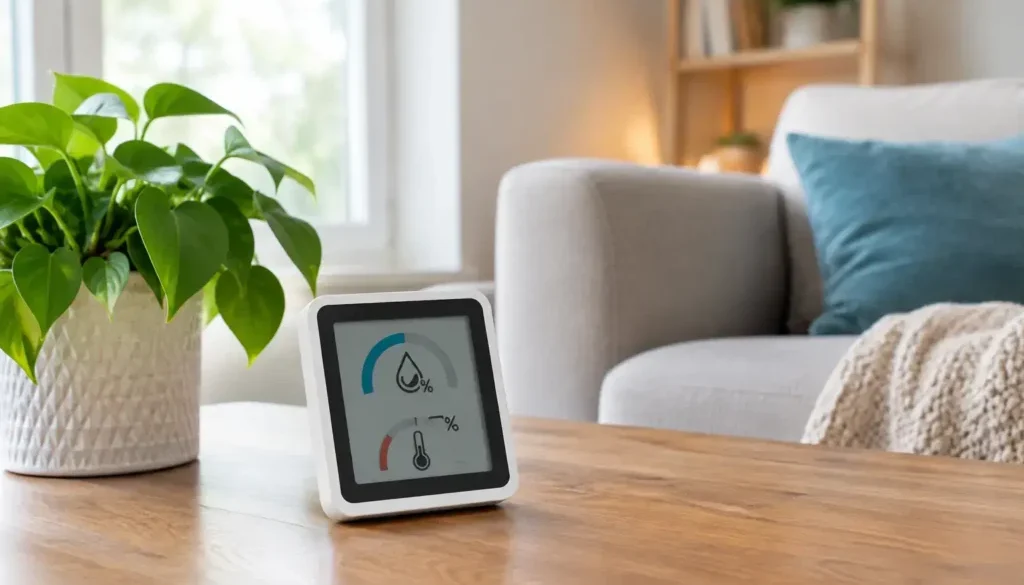
A simple digital hygrometer can give homeowners a useful starting point. Place one in a bedroom or living area away from showers, cooking steam and direct sunlight. If humidity regularly sits above 60 per cent, especially overnight or in winter, it is worth looking beyond surface-level fixes.
Why indoor humidity rises in homes
Everyday living produces more moisture than most people expect. Showers, baths, cooking, boiling kettles, drying washing indoors and even breathing all add water vapour to the air. A family household can release many litres of moisture into the home over a day.
That moisture needs a way out. Older homes may have natural gaps and draughts that allow some air exchange, although they can also be uncomfortable and inefficient to heat. Newer homes and renovated homes are often better sealed, which is good for energy efficiency but means moisture can remain indoors unless there is planned ventilation.
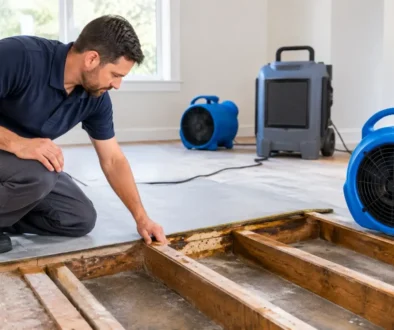
Some causes are less obvious. A leaking pipe, poor bathroom extraction, unvented clothes dryers, roof leaks and wet building materials can all contribute. In homes with suspended timber floors, damp subfloors can allow moisture and musty air to migrate upwards through floor gaps and service penetrations. This can leave rooms smelling stale even when they are regularly cleaned.
Condensation is a warning sign, not the root cause
Condensation forms when warm, moisture-laden air touches a colder surface and cools down. Windows are the most noticeable example, but moisture can also settle inside wardrobes, behind beds, on external walls and within roof spaces.
Wiping windows dry may protect the immediate area, but it does not reduce the moisture load in the home. Likewise, cleaning mould can remove visible growth without addressing the conditions that allowed it to develop. If condensation returns every morning, the home is telling you that humid air is meeting surfaces cold enough for water to form.
Insulation and double glazing can help by keeping internal surfaces warmer. However, they do not replace ventilation. In fact, improving insulation and sealing gaps often makes controlled ventilation even more valuable because the home has fewer accidental paths for moist air to escape.
The health and property effects of excess moisture
Persistent humidity creates favourable conditions for mould, dust mites and stale indoor air. For people with asthma, allergies or respiratory sensitivities, these conditions can make a home feel harder to live in. Even households without diagnosed health concerns may notice irritated eyes, recurring coughs or rooms that feel stuffy after being closed overnight.
Property damage can develop gradually. Mould may stain paint, ceilings, fabrics and furnishings. In more serious cases, moisture can affect plaster, timber framing, flooring, insulation and subfloor components. Timber floors may cup or move, while persistently damp subfloors can contribute to musty odours and deterioration of floor joists.
The goal is not to create an unnaturally dry home. Air that is too dry can also be uncomfortable, particularly in heated bedrooms during winter. The aim is stable moisture levels, clean air movement and a system that suits the way your household uses the home.
Managing indoor humidity at the source
Daily habits can reduce moisture production. Use kitchen rangehoods while cooking, run bathroom exhaust fans during showers and for a period afterwards, and avoid drying clothes indoors where possible. If a dryer is used, ensure it is vented appropriately or uses condensation technology suited to the space.
These measures are helpful, but they have limits. A bathroom fan that vents into the roof cavity moves moisture from one enclosed space to another. A rangehood used only occasionally cannot manage regular cooking moisture. Opening windows may work on a mild, dry day, but it is not always practical during a cold Melbourne winter, in wet weather, near busy roads or when security is a concern.
Dehumidifiers can provide short-term relief in a problem room. They can be useful after a water event or while investigating a specific issue. However, they need regular emptying, consume electricity and generally treat the symptom rather than providing consistent whole-home fresh air. If multiple rooms are affected, a dehumidifier may not be the most effective long-term answer.
Ventilation options for lasting humidity control
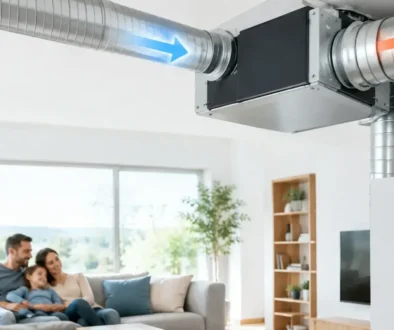
A well-designed mechanical ventilation system removes humid, stale air and replaces it with fresher air in a controlled way. The best option depends on the home’s layout, construction, existing services, moisture sources and occupants’ needs.
For a home with localised issues, decentralised ventilation units can serve individual rooms without extensive ductwork. They may be suitable for bedrooms, living spaces or renovated areas where access is limited. Centralised systems can provide planned airflow across a larger home, making them a strong option for new builds, major renovations or widespread moisture problems.
Energy recovery ventilation and heat recovery ventilation systems are designed to exchange stale indoor air with fresh outdoor air while recovering energy from the outgoing air stream. This can make regular ventilation more practical in winter, when homeowners understandably do not want to throw away heat they have paid for.
Positive pressure systems may assist in some homes by introducing filtered air and encouraging stale air to leave through available pathways. Their suitability depends on the building and the underlying moisture issue. They are not a universal fix, particularly where wet subfloors, leaks or poor wet-area extraction are involved.
Where moisture is rising from beneath a suspended floor, dedicated subfloor ventilation may be needed. Improving air movement under the home can help dry the subfloor environment, reduce musty odours and protect timber components. It should be assessed alongside drainage, ground moisture and any plumbing concerns rather than treated as an isolated fan installation.
Why a tailored assessment matters
Ventilation is most effective when it is designed around the actual building, not selected from a shelf based on one symptom. A house with window condensation may need better extraction and balanced fresh air supply. Another may have a damp subfloor, a poorly vented bathroom or a combination of several moisture sources.
A professional assessment considers room use, external climate exposure, insulation, window performance, roof and subfloor conditions, existing fans, and where air can enter and leave the home. It also considers practical details such as noise, energy use, controls and how the system can be installed without disrupting the character of the property.
For homeowners across Melbourne and Victoria, Ecoflow Ventilation takes this home-specific approach because reliable humidity control is not about fitting the largest system. It is about creating the right airflow in the right places, so the home feels drier, fresher and more comfortable every day.
If your windows are regularly wet, mould keeps returning or your home carries a damp smell, treat it as useful information rather than something to keep cleaning away. The right investigation can turn a recurring moisture problem into a healthier, more settled home.