Seven Signs Your Home May Need Subfloor Ventilation
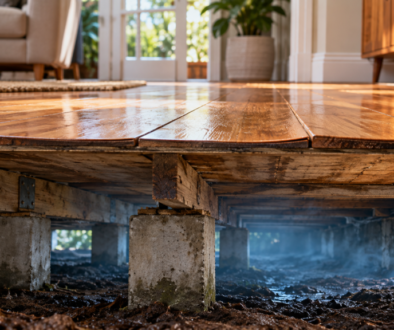
A damp or poorly ventilated subfloor can affect more than the area beneath your house. Moisture and stale air may move into the rooms above, contributing to musty smells, mould growth and damage to timber building materials.
Melbourne has many weatherboard, brick and period homes constructed with suspended timber floors. These homes generally rely on vents around the perimeter to move outdoor air through the underfloor area.
When vents are blocked, poorly positioned or unable to create sufficient cross-flow, humid air can remain trapped beneath the home. CSIRO notes that buildings with suspended timber floors can be susceptible to high indoor humidity arising from moist subfloor spaces, particularly when floor vents are blocked.
Here are seven signs that your home may benefit from a professional subfloor ventilation assessment.
1. There Is a Persistent Musty Smell
A damp, earthy or musty smell is one of the most common signs of a moisture problem beneath a house.
The smell may be noticeable:
- When entering the home after it has been closed
- In bedrooms and rooms with timber floors
- Inside wardrobes and cupboards
- Near floor vents or gaps around skirting boards
- During humid or rainy weather
- In the morning after the house has been closed overnight
- Air from the subfloor may enter the home through gaps between floorboards, plumbing penetrations, wall cavities and other openings.
Improving airflow beneath the property may help reduce the damp conditions producing the odour. However, leaking pipes, wet soil, drainage problems or contaminated materials must also be investigated.
2. The Smell Becomes Worse After Rain
A musty smell that becomes stronger after heavy rain may indicate that water or additional moisture is reaching the subfloor.
Possible causes include:
- Stormwater flowing toward the house
- Leaking or overflowing gutters
- Damaged downpipes
- Poor surface drainage
- Water collecting beneath the building
- Garden irrigation near external walls
- Damp soil underneath the house
- Australian Government guidance identifies leaking pipes, poor subfloor ventilation, insufficient ground clearance and condensation as potential causes of underfloor moisture. It recommends keeping vents clear, repairing leaks and directing stormwater away from the building.
Ventilation may help the subfloor dry more effectively, but it should not be used as a substitute for repairing active water entry.
3. Mould Keeps Appearing Inside the Home
Mould on lower walls, skirting boards, furniture or stored belongings may be connected to excessive moisture beneath the floor.
Mould grows most readily where moisture remains available. Victorian health guidance says controlling the source of moisture is the central step in controlling indoor mould growth.
Subfloor ventilation may form part of the solution when poor underfloor airflow is contributing to indoor humidity. Other moisture sources should also be checked, including:
- Roof and plumbing leaks
- Bathroom and laundry humidity
- Window condensation
- Rising damp
- Poor drainage
- Indoor clothes drying
- Unflued gas heating
- Cleaning mould without dealing with the source of moisture frequently results in the problem returning.
4. Timber Floorboards Are Cupping or Swelling
Timber naturally responds to changes in moisture. When the underside of a timber floor is exposed to consistently damp air, boards may absorb moisture unevenly.
Possible warning signs include:
- Raised edges along individual floorboards
- Gaps that open and close seasonally
- Swollen boards
- Floor movement
- Discolouration
- A damp feeling under rugs or furniture
- Soft or deteriorating timber
- Floor movement can have several causes, so it should not automatically be blamed on ventilation. A flooring specialist, builder or structural professional may need to assess visible damage.
A subfloor inspection can help determine whether excessive humidity or damp ground is contributing to the problem.
5. The Existing Subfloor Vents Are Blocked
External vents can become obstructed gradually and may no longer provide their intended airflow.
Common obstructions include:
- Raised garden beds
- Soil and mulch
- Renovations or extensions
- Decking
- Stored materials
- Pest nests and debris
- Paint or render
- New paths built above the original ground level
- YourHome specifically recommends checking that subfloor vents have not been obstructed by additions, garden beds, mulch or pests.
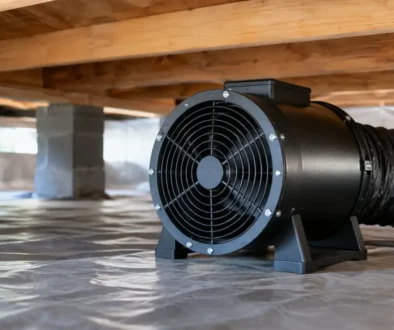
Clearing blocked vents may improve natural airflow. If the layout of the home still prevents air from reaching the central or enclosed sections, mechanical ventilation may be considered.
6. Parts of the Subfloor Receive Little Airflow
A home can have several visible external vents and still contain poorly ventilated areas.
Internal brick walls, footings, additions and changes to the original layout may divide the subfloor into separate sections. Air may travel between the nearest inlet and outlet without reaching the centre of the building.
Signs of uneven airflow can include:
- One section smelling considerably worse than another
- Visible mould in isolated areas
- Damp soil concentrated beneath particular rooms
- Rust or corrosion in enclosed sections
- Dry conditions near external vents but damp conditions deeper inside
- A mechanical system may use ducting to reach these isolated areas and establish a more effective airflow path.
7. The Subfloor Feels Damp or Stagnant
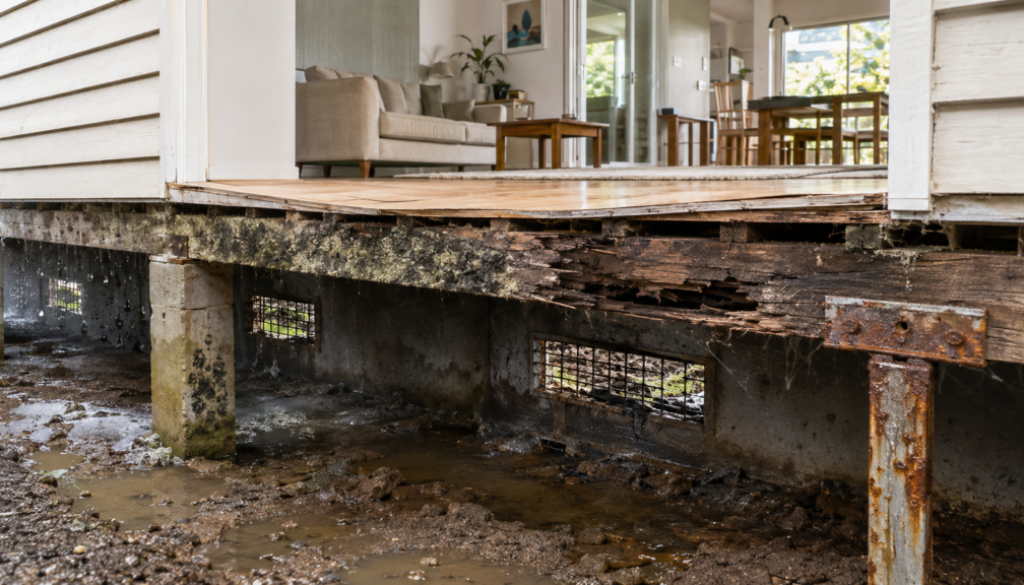
The area beneath a healthy home should not contain persistent pools of water, active leaks or widespread visible mould.
During an inspection, warning signs may include:
- Damp or muddy soil
- Condensation on pipes or timber
- Fungal growth
- Rusted metal components
- Water staining
- Damaged insulation
- Plumbing leaks
- Little noticeable air movement
- Strong odours
- Access beneath a home can be restricted and may contain electrical, structural, pest, asbestos or biological hazards. Homeowners should not enter an unsafe or unfamiliar subfloor.
Does Every One of These Signs Mean You Need a Fan?
No. These signs indicate that the property should be assessed, but they do not establish that mechanical ventilation is automatically required.
The appropriate solution might involve:
- Clearing existing vents
- Adding passive ventilation openings
- Repairing leaking pipes
- Improving drainage
- Redirecting stormwater
- Installing a ground moisture barrier
- Installing a mechanical subfloor ventilation system
- Combining several measures
- Subfloor ventilation is most effective when it is designed around the actual cause and distribution of moisture.
- Arrange a Subfloor Ventilation Assessment
- Ecoflow Ventilation assesses underfloor airflow and moisture conditions in Melbourne homes.
Where mechanical ventilation is suitable, we design the fan locations, ductwork and airflow path around the property rather than simply placing a fan beside the nearest external vent.
Contact Ecoflow Ventilation to arrange a subfloor ventilation assessment for your Melbourne home.