Condensation on bedroom windows at breakfast, a musty smell in a back room, or mould returning after each clean are not simply cosmetic frustrations. They are signs that moisture and pollutants may be lingering indoors. Effective indoor air quality improvement addresses what is happening inside the whole home, not just the visible symptom on one wall.
For Melbourne households, the challenge is often seasonal. Cool winters can leave homes closed for long periods, while showers, cooking, clothes drying and everyday breathing add water vapour to the air. Well-sealed newer homes can trap that moisture just as readily as older homes with poor airflow. The right response depends on the building, its occupants and the source of the problem.
What affects the air inside your home?
Indoor air is influenced by more than dust. Every occupied home produces moisture, carbon dioxide and odours. Kitchens add cooking fumes and particles, bathrooms release steam, and laundry areas can create significant humidity. Pets, pollen, cleaning products, building materials and outdoor pollution can also contribute to the mix.
When there is not enough controlled air exchange, these pollutants remain indoors longer. Humidity can settle on cold glass, walls and ceilings, particularly around poorly insulated areas or thermal bridges. Over time, persistent dampness can encourage mould growth, damage furnishings and affect the condition of timber, plaster and other building materials.
People often respond by opening windows. This can be useful on a mild, dry day, but it is not a reliable whole-home strategy. Windows may remain shut overnight, during rain, when the home is empty or because of security, noise, pollen and bushfire smoke concerns. Natural ventilation also cannot reliably remove moisture from bathrooms, laundries or subfloors where it is generated.
Indoor air quality improvement begins with the cause
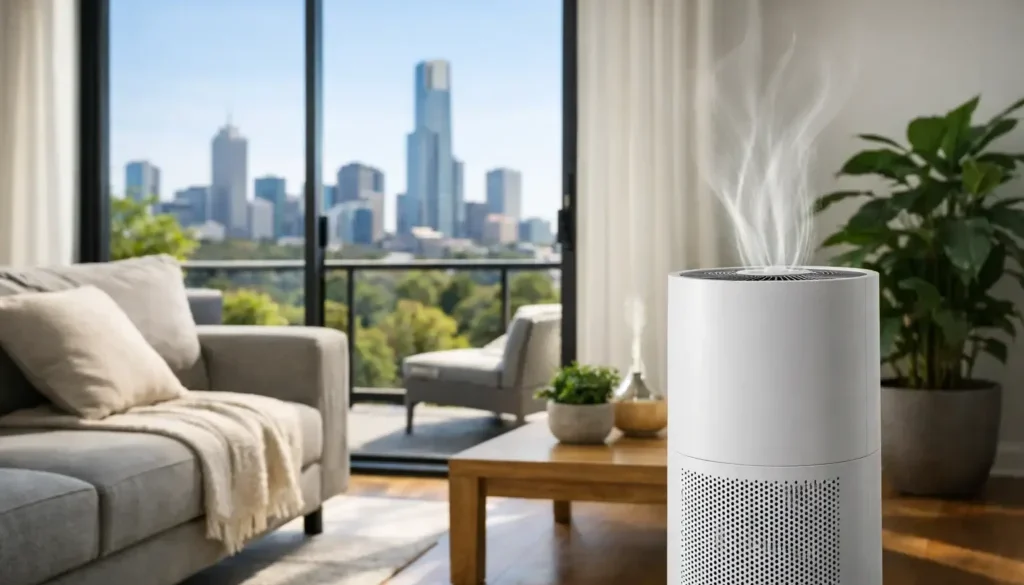
A dehumidifier, air purifier or mould-cleaning product may have a place in some homes, but each has limits. An air purifier can capture certain airborne particles, depending on its filter and placement, yet it does not bring fresh air into the home or remove moisture at the source. A dehumidifier can lower humidity in a particular area, but it needs regular emptying or drainage and may not resolve poor ventilation across several rooms.
The most dependable approach is to identify why the home is damp or stale in the first place. Is steam from the bathroom escaping into bedrooms? Is the rangehood venting outdoors, or merely recirculating air? Is condensation forming mostly in the morning? Does the subfloor smell damp? Are certain rooms closed off and noticeably colder than the rest of the home?
These details matter because condensation is not always a ventilation-only issue. Water ingress, leaking plumbing, inadequate insulation, rising damp or poor drainage can also be involved. Mechanical ventilation is designed to manage everyday indoor moisture and stale air. Where there is a building defect or leak, that needs attention as well.
Why mechanical ventilation makes a practical difference
Mechanical ventilation replaces stale indoor air with fresh outdoor air in a measured, consistent way. Unlike relying on open windows, it can run quietly in the background throughout the day and night. A well-designed system considers the size and layout of the house, wet areas, sleeping spaces, occupancy, insulation levels and how the household uses each room.
The goal is not to make a home draughty. It is to create deliberate airflow: fresh air is supplied where people spend time, while humid or stale air is extracted from areas such as bathrooms, laundries and kitchens. This helps lower indoor humidity, reduce lingering odours and dilute pollutants that build up in enclosed rooms.
For families managing asthma or allergies, cleaner air is often part of a broader strategy that includes reducing dust, addressing mould and selecting suitable filtration. Ventilation does not replace medical advice or make every allergen disappear. It can, however, reduce the conditions that allow moisture-related problems and stale air to persist.
Energy recovery ventilation and heat recovery ventilation
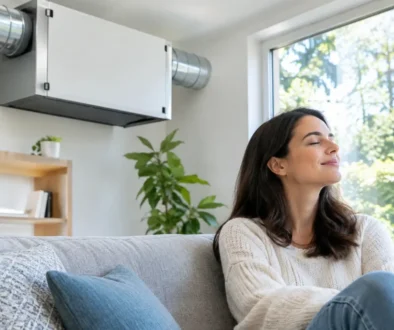
Energy recovery ventilation, often called ERV, and heat recovery ventilation, or HRV, provide controlled supply and extract ventilation while recovering energy from the outgoing air. In winter, the system transfers much of the warmth from stale extracted air to incoming fresh air. This helps reduce the heating penalty associated with ventilation.
The distinction between ERV and HRV can be important. An HRV primarily transfers heat, while an ERV can transfer heat and a portion of moisture. The more suitable option depends on the home’s design, local conditions and moisture profile. Rather than choosing based on a label alone, homeowners benefit from a design that accounts for Melbourne’s variable climate and the home’s actual humidity concerns.
These systems are particularly well suited to new builds and substantial renovations, where duct routes and equipment locations can be planned early. They can also work in existing homes, although installation access, ceiling space and the desired room coverage affect the final design.
Centralised, decentralised and positive pressure options
A centralised system uses a network of ducts to serve multiple rooms from a central unit. It can provide comprehensive, balanced ventilation across a home, especially where a whole-house approach is needed. Installation is more involved, so it is often easiest during construction or major renovation.
Decentralised ventilation units serve individual rooms or connected room pairs. They can be an effective option for existing homes where extensive ductwork is impractical. A targeted design may focus on bedrooms, living areas or problem zones, with extraction managed in wet areas as required. This approach is not automatically less effective, but it must be planned carefully to avoid treating one room while leaving the wider airflow problem unresolved.
Positive pressure systems introduce filtered outdoor air into the home, creating gentle pressure that encourages indoor air to move out through available openings. They can suit some properties, particularly where stale air is an issue. However, their effectiveness depends heavily on the home’s construction, outdoor air quality and moisture pathways. In homes with concealed moisture concerns or poor building fabric, positive pressure should be assessed thoughtfully rather than treated as a universal answer.
Do not overlook wet areas and the subfloor
Bathrooms and laundries need effective extraction because they produce concentrated bursts of humidity. A fan that is undersized, noisy or rarely used will not do the job. Good extraction should remove humid air to the outside, not simply into a roof cavity, and it may need to continue running after a shower to clear residual moisture.
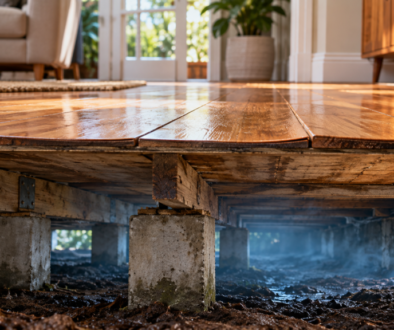
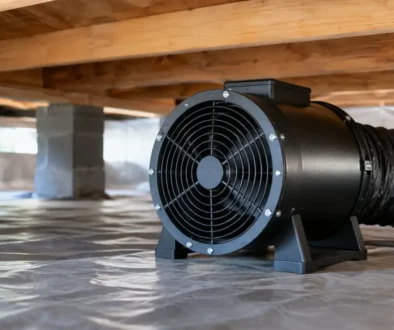
Subfloor ventilation is equally important in many older Melbourne homes. A damp, poorly ventilated subfloor can contribute to musty odours, mould risk, cold floors and deterioration beneath the house. Improving airflow below the floor may be part of the solution, but standing water, drainage problems and plumbing leaks should be investigated first.
Everyday habits that support better air
A ventilation system works best alongside sensible household habits. Use bathroom extraction during and after showers, place lids on pots when cooking and use a rangehood that vents outside where possible. Drying clothes outdoors is preferable when conditions allow; if a dryer is used indoors, proper venting is essential unless it is a suitable condenser or heat-pump model.
Keep supply and extract vents clear of furniture, curtains and stored items. Clean or replace filters in line with the system’s requirements, because blocked filters can reduce airflow and increase running costs. If you notice sudden new condensation, a persistent musty odour or mould spreading beyond a small isolated patch, treat it as a reason to investigate rather than simply clean again.
Choosing a system for your home
There is no single ventilation system that suits every Victorian home. A compact apartment, a weatherboard home with a damp subfloor and a tightly sealed new build have very different airflow needs. The best recommendation comes after considering the floor plan, room use, roof or wall access, existing heating and cooling, known moisture issues, and the number of people living in the home.
Ecoflow Ventilation approaches this as a home-specific design decision, not a box to install. Premium mechanical ventilation equipment can deliver excellent long-term results, but performance relies on correct sizing, thoughtful placement and professional installation. A system should be quiet enough to run consistently, efficient enough to use every day and designed around the rooms where your family sleeps, cooks and spends time.
A healthier home rarely comes from one dramatic change. It comes from understanding where moisture and stale air are collecting, then creating a reliable path for fresh air to replace them – season after season.