
A clear morning can reveal an uncomfortable surprise: droplets running down the inside of the glass, damp window sills and, sometimes, black marks beginning around the frames. If you are asking, “why are my windows sweating?”, the short answer is that warm, moisture-laden indoor air is meeting a cold window surface. The more useful answer is that your home may be holding onto more moisture than it can safely manage.
In Melbourne and across Victoria, cold overnight temperatures, tightly sealed homes and everyday activities such as showering, cooking and drying clothes indoors can make window condensation common. A small amount on a particularly cold morning is not automatically a major problem. Regular or heavy condensation, however, deserves attention because it can contribute to mould, damage timber finishes and point to poor indoor air circulation.
Why are my windows sweating in winter?
Windows do not literally sweat. This is condensation: water vapour in the air changing into liquid water when it touches a surface colder than the air’s dew point. Glass is often the coldest surface in a room, particularly with older single-glazed windows or aluminium frames, so it is usually where the problem appears first.
Every home produces moisture. A family’s showers, baths, cooking, kettle use, breathing and laundry can release litres of water vapour into the air each day. If that humid air is not removed or diluted with fresh outdoor air, it travels through the house and settles on cold surfaces.
Winter makes the pattern more obvious. You close windows to keep heat in, turn on heating, take hotter showers and may dry washing on racks indoors. Warm air can carry more water vapour, but when it reaches cold glass overnight, that stored moisture has to go somewhere. It becomes droplets.
This is why wiping windows dry may improve the appearance for a few hours but does not solve the underlying cause. The water on the glass is a symptom of the moisture balance inside the home.
When condensation is normal and when it is a warning sign
A light mist on bedroom windows after a cold night can occur even in an otherwise well-managed home. It may be more noticeable after several wet days, when outdoor humidity is high and windows stay cold. Condensation can also occur briefly after a shower or a big cook-up if the bathroom or kitchen has not yet cleared.
The concern rises when water is pooling on sills, running onto plaster or timber, or appearing most mornings through winter. Condensation on walls, ceilings, wardrobes or the inside of skylights is more serious because these surfaces are not normally the coldest point in a room. A musty odour, recurring mould, peeling paint, swollen window trims and damp bedding are further signs that humidity and ventilation need closer investigation.
Do not assume newer homes are immune. Modern homes are often more airtight, which helps energy efficiency but reduces the accidental air leakage older homes relied on. Without planned ventilation, moisture generated indoors can remain indoors. The right solution is not to make a home draughty. It is to provide controlled, energy-conscious fresh air exchange.
Common causes of window condensation
Everyday moisture without enough extraction
Bathrooms and kitchens create moisture quickly. An exhaust fan that is weak, noisy, poorly positioned or switched off too soon may not remove it effectively. Fans should generally continue running after showering or cooking, rather than stopping the moment you leave the room.
Kitchen rangehoods also matter. A recirculating rangehood may remove some cooking smells and grease but does not necessarily send humid air outside. Steam from uncovered pots can substantially increase humidity, especially in an open-plan home.
Drying clothes indoors
A single load of washing can release a surprising amount of moisture as it dries. If a clothes rack is set up in a bedroom, living area or spare room with the door closed, that moisture can quickly settle on windows and other cold surfaces. A vented dryer that discharges outdoors, an outdoor clothesline when conditions allow, or a properly ventilated laundry will reduce the load on your home.
Cold glass and thermal weak points
Single glazing, poorly sealed windows and conductive aluminium frames make the inside window surface colder. This does not create moisture, but it gives moisture an easy place to condense. Double glazing and improved window performance can reduce condensation, yet they will not fully resolve a home with persistently high indoor humidity.
Cold corners, external walls, poorly insulated ceilings and unheated rooms can behave similarly. If mould is forming behind furniture or inside wardrobes, the issue may be a combination of humid air, low surface temperatures and limited airflow.
Moisture coming from below or within the building
Not all moisture starts in the kitchen or bathroom. Damp subfloors, inadequate underfloor ventilation, plumbing leaks, rising damp and wet building materials can add ongoing moisture to the house. In older Victorian homes, subfloor conditions are especially worth considering where floors feel cold, rooms smell musty or timber shows movement.
A home that has recently been renovated or built can also hold construction moisture in plaster, concrete and timber. This usually improves as materials dry, but ventilation still needs to support that process.
What to do when your windows are wet inside
Start by reducing moisture at its source. Use bathroom exhaust during showers and keep it running afterwards. Use an externally vented kitchen rangehood when cooking, keep lids on pots where practical and avoid drying laundry in living spaces. If you use a portable gas heater, be aware that unflued gas appliances release water vapour directly into the room as they burn fuel. They can significantly worsen condensation and indoor air quality.
Then improve airflow through the home. Opening windows for a short period can help on dry days, particularly after showering or cooking. However, this is not always practical in cold weather, near busy roads, during pollen season or when the house is unoccupied. Leaving windows open all day can also waste heating energy and may not provide balanced airflow to enclosed rooms.
Keep internal doors open where possible and avoid pushing wardrobes, couches or beds hard against cold external walls. A small gap allows air to circulate and makes hidden mould less likely. Wipe visible window water from frames and sills promptly to protect finishes, but treat this as damage control rather than a long-term fix.
A hygrometer can provide helpful evidence. Relative humidity ideally sits around 40 to 60 per cent for most homes. Readings that regularly remain above 60 per cent in winter, especially alongside condensation or mould, suggest the home needs better moisture management. Humidity is influenced by temperature, occupancy and weather, so one reading is less useful than a pattern recorded over several days.
The role of whole-home ventilation
A dehumidifier can be useful in a targeted room or during a short-term moisture event. It removes water from the air, but it does not bring in fresh air or address stale air, pollutants and carbon dioxide. It also needs emptying, costs electricity to run and may not reach closed bedrooms or distant areas of the home.
For recurring condensation, a professionally designed ventilation system can offer a more lasting approach. The suitable system depends on the home’s layout, building fabric, number of occupants, moisture sources and whether the issue is concentrated in one room or spread throughout the property.
Decentralised systems can suit individual problem rooms, such as bedrooms or bathrooms, while centralised systems can manage air movement across a larger home. Energy recovery ventilation and heat recovery ventilation can exchange stale, humid indoor air for filtered outdoor air while recovering much of the energy from outgoing air. This helps support fresh air without the same heat loss associated with simply leaving windows open.
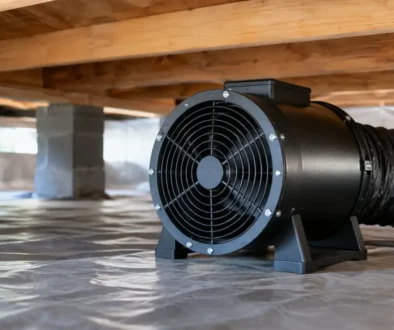
Positive pressure systems, exhaust-based solutions and subfloor ventilation can also have a role, but they are not interchangeable. For example, a damp subfloor needs an assessment of drainage, vents, ground moisture and building conditions before selecting a fan system. A one-size-fits-all unit may move air without addressing the real source of the problem.
When to seek a professional assessment
Arrange an assessment if condensation is frequent, mould keeps returning after cleaning, windows are pooling with water, or the home has a persistent damp smell. It is also sensible to investigate if someone in the household has asthma, allergies or other respiratory sensitivities, as damp indoor conditions can make a home less comfortable to live in.
An experienced ventilation specialist should look beyond the windows. The assessment should consider room use, extraction points, heating, window performance, subfloor conditions, insulation and how air currently moves through the home. Ecoflow Ventilation uses this home-specific approach to identify practical options rather than treating condensation as a window problem alone.
Dry windows are a welcome result, but the larger goal is a home where moisture is controlled before it can feed mould, stale air and building damage. If your windows are regularly sweating, take it as useful evidence: your home is telling you it needs a better path for moisture to leave.