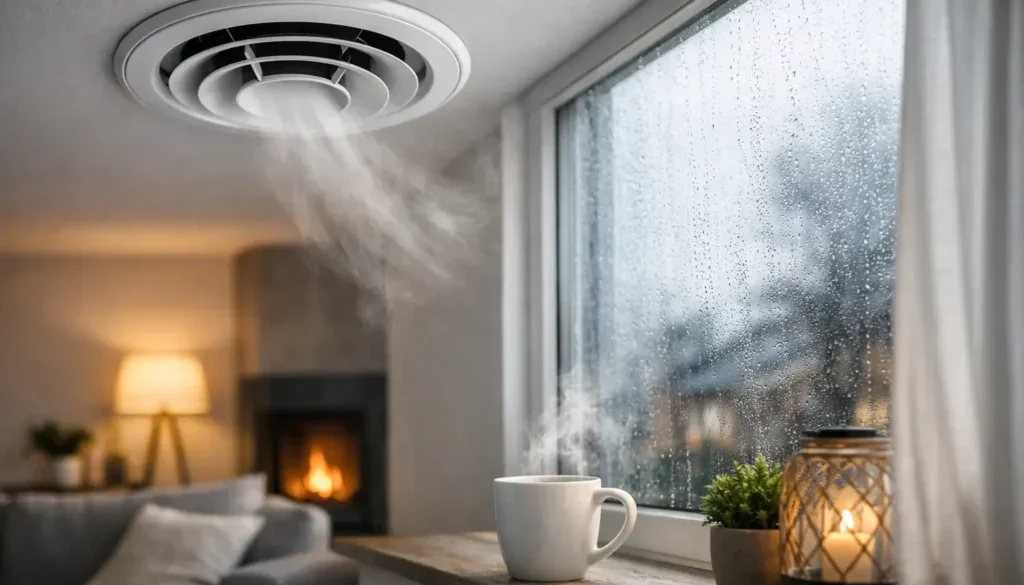
A bedroom window running with water on a cold Melbourne morning is not simply an annoyance to wipe away. It is a sign that moisture is building up indoors, often alongside stale air, hidden mould risk and uncomfortable humidity. The best ventilation Melbourne homes can use is not one product or one fan type. It is a system designed around where moisture is coming from, how the home is built and how the household lives in it.
That distinction matters. A draughty Victorian terrace, a tightly sealed new build and a home with a damp subfloor can all feel musty or suffer condensation, but the right solution may be very different in each case. Good ventilation replaces polluted, moisture-laden indoor air with fresher outdoor air in a controlled, energy-conscious way.
Why Melbourne homes need a considered approach
Melbourne’s weather creates a particular challenge for indoor moisture. Cool winters encourage people to keep windows shut, dry washing indoors and run heaters for longer. Warm showers, cooking, breathing and everyday living then add water vapour to the air. When that warm, humid air meets a cold window, external wall or ceiling surface, condensation forms.
Older homes may have gaps that provide some background airflow, but they can also have cold surfaces, poor insulation and damp subfloors. Newer homes are generally better sealed for energy efficiency, which is beneficial until moisture and indoor pollutants have no reliable path out. Opening windows can help on mild days, but it is inconsistent, may introduce noise or pollen, and is rarely a practical answer when it is cold, raining or the home is unoccupied.
The goal is not to make a house draughty. It is to provide enough controlled air exchange to protect health, comfort and the building itself.
Best ventilation for Melbourne homes starts with the problem
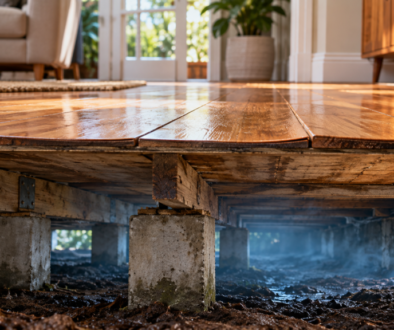
Before choosing a system, identify the pattern. Condensation confined to one bathroom may point to inadequate local extraction. Mould in bedrooms, window condensation throughout the home and a stuffy feeling on winter mornings suggest a broader whole-home ventilation issue. A persistent musty odour and cold timber floors may indicate moisture below the house rather than in the rooms above it.
A professional assessment should consider the home’s construction, insulation, glazing, heating, occupancy, room layout and existing exhaust fans. It should also look for external causes of moisture, such as plumbing leaks, poor drainage or rising damp. Mechanical ventilation manages airborne moisture and contaminants, but it cannot repair a leaking roof or failed waterproofing.
When positive pressure ventilation may suit
A positive pressure system gently introduces filtered air into the home, creating slight pressure that encourages stale indoor air to move out through existing openings and passive vents. It can be a practical option for some existing homes, particularly where a simple central solution is needed and the roof space is suitable.
Its performance depends on the home, the source and temperature of incoming air, and where moisture is generated. In a very airtight home, or one with significant condensation concerns, it needs careful design rather than a standard installation. Filtration maintenance is also essential, especially for households managing dust or seasonal allergens.
When heat recovery or energy recovery makes sense
Heat recovery ventilation, often called HRV, extracts stale air from wet areas while bringing filtered outdoor air into living and sleeping spaces. Before the air streams pass outside, heat from the outgoing air is transferred to the incoming air through a heat exchanger. This reduces the heating penalty associated with ventilation during colder weather.
Energy recovery ventilation, or ERV, works on a similar principle but can also transfer some moisture. The right choice depends on the home and local conditions. These systems are particularly valuable in well-sealed new builds, deep renovations and households that want dependable fresh air without relying on open windows.
They require planned duct routes, appropriate commissioning and access for filters and servicing. A well-designed system is quiet and balanced. A poorly designed one can be noisy, difficult to maintain or fail to deliver enough air to the rooms that need it.
When decentralised ventilation is the better fit
Not every home can accommodate a central ducted system. Decentralised units are installed through external walls and ventilate individual rooms or paired spaces. They can offer heat recovery without major ceiling or roof-space work, making them useful for renovations, apartments and homes where targeted bedroom ventilation is needed.
The trade-off is that room-by-room planning becomes critical. One unit in a hallway will not necessarily solve moisture in closed bedrooms. The system needs to reflect how doors are used, where people sleep and which rooms experience the greatest condensation.
Do not overlook subfloor ventilation
For homes on stumps, moisture under the floor can contribute to musty smells, timber movement, fungal growth and cold floors. Subfloor ventilation is designed to move damp air from this enclosed area, helping the subfloor dry when paired with sensible drainage and moisture management.
It is not the same as ventilating the living areas above. A home can need both subfloor ventilation and a separate indoor air-quality solution. Treating one as a substitute for the other often leaves the underlying issue unresolved.
What good whole-home ventilation design looks like
The best system is not judged by the size of its fan alone. It should deliver fresh air to bedrooms and living spaces, extract moisture and pollutants from bathrooms, laundries and kitchens, and allow air to travel through the home as intended. This is why supply and extract locations matter.
A kitchen rangehood remains important for capturing cooking moisture and particles at the source. Bathroom exhaust fans should run long enough after showers to remove humid air, not switch off the moment the light goes out. Whole-home ventilation complements these measures by providing consistent background air exchange across the house.
Noise is another practical consideration. Residents should be able to sleep, work and talk comfortably while the system operates. Quality components, correct duct sizing, sensible fan speeds and professional commissioning all influence the result. So does maintenance: filters need replacing or cleaning on schedule, and external grilles should remain clear.
Avoid the common quick fixes
Cleaning mould without reducing moisture usually means it returns. Running a portable dehumidifier can be helpful in a specific room or during a short-term moisture event, but it does not bring in fresh air or remove indoor pollutants. Leaving windows slightly open may work occasionally, yet it offers little control over airflow, security, outdoor pollution or winter heat loss.
Roof ventilation can reduce excessive heat in some roof spaces, but it does not automatically solve bedroom condensation or stale indoor air. Likewise, installing a powerful bathroom fan will not resolve a damp subfloor. Each measure has a place, but the cause must guide the choice.
For households with asthma, allergies or sensitivity to damp conditions, filtration and airflow pathways deserve extra attention. Fresh air should be introduced where people spend time, while moisture is removed where it is produced. That is more useful than simply moving air around the home.
Choosing ventilation for a renovation or new build
A renovation offers an opportunity to plan ventilation before walls and ceilings are closed. Ducted heat recovery systems can be integrated more neatly, and service access can be built in from the start. New homes benefit from this planning because airtightness, insulation and ventilation should work together rather than compete.
In an existing property, a staged approach may be more realistic. Address urgent extraction in wet areas, investigate subfloor moisture where relevant, then consider centralised or decentralised whole-home ventilation based on the home’s limitations and the family’s priorities. There is no benefit in recommending a complex system where a simpler, properly designed option will solve the problem.
For Melbourne and Victorian homeowners, local experience matters because building styles vary widely between suburbs and eras. A considered consultation should explain what the system can achieve, what preparation may be needed and how it will be maintained over time. Ecoflow Ventilation approaches this work as a home-specific design task, not a one-size-fits-all installation.
If condensation, mould or stale air is becoming part of everyday life, treat it as useful information from your home. A clear assessment of where moisture is entering, where it is collecting and how air moves through the rooms is the most reliable first step towards a drier, healthier place to live.