Condensation on bedroom windows, mould returning to a bathroom ceiling and a persistent damp smell are not simply cleaning problems. They are signs that moisture is being created inside the home faster than it can be removed. The choice between positive pressure versus exhaust ventilation can make a meaningful difference, but only when the system matches the way your house is built, used and heated.
For many Melbourne homes, ventilation is complicated by cool winters, tightly closed windows and a mix of older, draughty construction and newer, more airtight building methods. The right answer is rarely a single fan placed in the roof. It starts with understanding where moisture is coming from and where the air can realistically go.
What positive pressure ventilation does
A positive pressure system introduces air into the home, usually from the roof space or an external intake, and gently pressurises the living areas. That fresh or filtered air then encourages stale, moisture-laden indoor air to leave through existing gaps, vents and purposeful exhaust points.
In practical terms, the system aims to dilute indoor pollutants and reduce the conditions that allow condensation and mould to develop. It can be particularly helpful in homes where rooms feel stale, windows regularly sweat in winter, or there is limited natural air movement when the house is closed up.
The quality of the air source matters. Some positive pressure systems draw from the roof cavity, where air can be warmer during the day but may also contain dust, insulation fibres or seasonal temperature extremes. Effective filtration, correctly selected equipment and careful duct placement are essential. In other applications, an external air supply may be more appropriate.
Positive pressure is not a guarantee that every wet area will dry out. A bathroom producing steam from daily showers, for example, still needs a reliable path for humid air to leave. If that moisture is merely pushed from the bathroom into a hallway or bedroom, the underlying problem has moved rather than been solved.
How exhaust ventilation works
Exhaust ventilation does the opposite. It removes air from moisture-producing spaces, creating slight negative pressure that draws replacement air into the home through planned supply points and natural openings.
This is the familiar principle behind a bathroom exhaust fan, kitchen rangehood and laundry fan. When designed as a whole-home strategy rather than a collection of isolated fans, extraction can target the places where humidity and odours are generated most heavily.
A well-designed exhaust system is especially useful where shower steam lingers long after use, laundry drying adds moisture indoors, or cooking odours and airborne particles travel through the house. Extracting air directly at the source is often the most efficient way to stop that moisture spreading.
However, exhaust needs replacement air. If a home is very sealed and there is no planned supply air path, extraction fans can underperform, become noisy or pull air through unwanted gaps. That may mean drawing cold air from under doors, around windows or, in some homes, from the subfloor or roof cavity. The result can be discomfort, heat loss and less predictable ventilation.
Positive pressure versus exhaust: the key difference
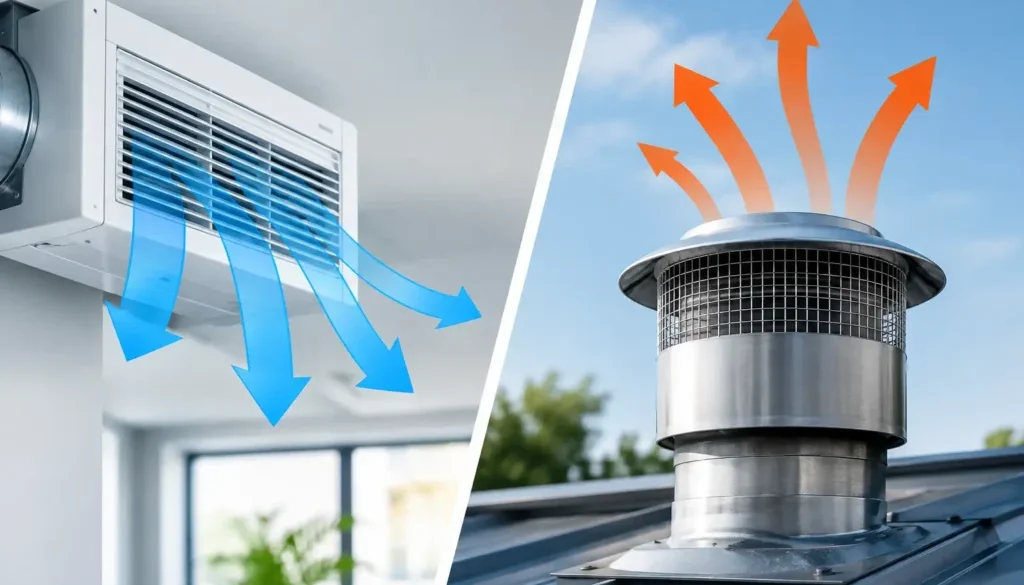
The central difference is direction. Positive pressure supplies air into the home and relies on it finding a way out. Exhaust ventilation removes humid or stale air and relies on replacement air finding a way in.
Neither approach is automatically better. Positive pressure can improve general air movement and dilution across living spaces. Exhaust is often stronger at removing high levels of moisture where they are created. The best choice depends on the moisture load, the home’s airtightness, the condition of the building and the occupants’ priorities.
For a family home with recurring bathroom mould, source extraction may be the priority. For an older home with stale bedrooms, regular window condensation and poor overall air circulation, a carefully designed positive pressure system may be worth considering. Many homes benefit from a combination: controlled supply air, effective wet-area extraction and a clear route for air to travel through the building.
Condensation is about moisture, temperature and airflow
Window condensation is often misunderstood. It occurs when warm, humid indoor air touches a cold surface and cools below its dew point. Wiping the glass each morning removes visible water, but it does not reduce the moisture being produced by showers, cooking, breathing, clothes drying and unvented gas appliances.
Ventilation lowers humidity by replacing damp indoor air with drier air, but winter conditions require care. Bringing in cold outside air without thought can make rooms feel uncomfortable and increase heating demand. Extracting large volumes of warmed air can have the same drawback.
This is where heat recovery ventilation or energy recovery ventilation may be a better fit for some homes. These systems exchange stale indoor air for fresh outdoor air while recovering much of the heat that would otherwise be lost. They are particularly relevant for well-sealed new builds, major renovations and households seeking consistent air quality without relying on open windows.
When positive pressure may suit a home
Positive pressure can be a sensible option when the goal is to improve general ventilation in an existing home without extensive alterations. It may help reduce stuffiness, support air movement into bedrooms and living areas, and lower the concentration of everyday indoor pollutants.
It is often considered for homes that are occupied throughout the day, homes with limited opportunities for cross-ventilation, or properties where opening windows is impractical because of weather, noise or security concerns. In a suitable house, filtered supply air can provide a more controlled alternative to relying solely on gaps and open windows.
There are limits. Homes with significant roof-space contamination, poor ceiling sealing, active leaks or major subfloor moisture issues need those concerns assessed first. Positive pressure should not be used to mask water ingress, rising damp, plumbing leaks or inadequate bathroom extraction.
When exhaust is the better starting point
Exhaust ventilation is usually the first line of defence where moisture is concentrated in particular rooms. Bathrooms, laundries and kitchens should be able to remove humid air to the outside, not into a roof cavity. An exhaust fan that is too small, poorly ducted, rarely used or terminated incorrectly will do little to protect ceilings and wall linings.
Good extraction is also important for homes with gas cooking. Cooking creates water vapour as well as particles and odours, so a properly vented rangehood can improve both moisture control and indoor air quality.
For exhaust to work well, it should continue operating long enough after a shower or cooking session for the remaining moisture to clear. Controls such as timers or humidity sensors can help, but the fan capacity, duct run and external discharge point remain just as important.
Do not overlook subfloor and roof-space moisture
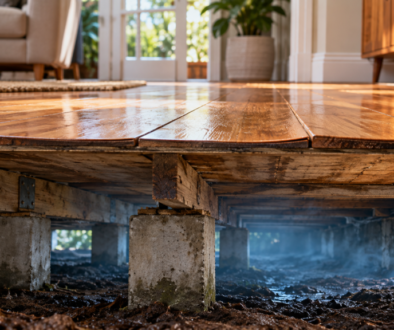
A musty smell under the house, damp soil, wet subfloor insulation or cold timber floors point to a different ventilation question. Underfloor moisture is not fixed by pressurising the living area or adding a stronger bathroom fan. It may require dedicated subfloor ventilation, drainage improvements, ground moisture management or investigation of external water sources.
Likewise, roof-space condensation can be caused by warm indoor air leaking through ceiling penetrations, inadequate roof ventilation or insulation issues. The solution may involve sealing air leaks, improving extraction from wet areas and addressing roof-cavity airflow. Each part of the house has its own pressure boundary, so treating the entire property as one simple box can lead to disappointing results.
A tailored design protects comfort as well as air quality
The most effective ventilation system considers room layout, ceiling and wall construction, insulation, heating type, window performance, household size and how moisture is generated day to day. A family of five with frequent showers and indoor clothes drying has very different needs from a couple in a renovated apartment.
It also needs to account for safety. Homes with open-flued gas heaters, fireplaces or other combustion appliances require particular care, because excessive negative pressure can affect how those appliances draw and discharge combustion gases. Professional assessment is valuable before changing the pressure balance of a home.
Ecoflow Ventilation assesses these details before recommending a system, rather than treating positive pressure, exhaust, HRV or subfloor ventilation as interchangeable products. The objective is a drier, healthier home with airflow that works quietly and efficiently in everyday life.
If mould, condensation or stale air keeps returning, focus less on the visible symptom and more on the route moisture takes through the house. Once that pathway is understood, the right ventilation approach becomes much clearer.