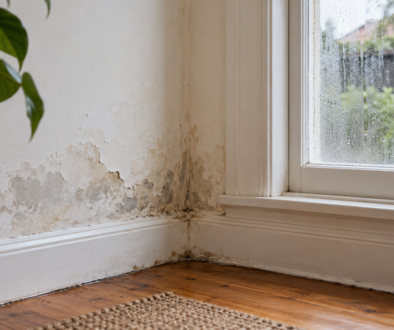
When windows are sweating on cold mornings, mould returns after cleaning, or rooms carry a stale, damp smell, the ERV versus positive pressure question becomes very practical. Both systems can improve air movement and indoor air quality, but they work in fundamentally different ways. The better choice depends on how your home is built, where moisture is coming from, how airtight it is, and what you want the system to achieve.
For many Melbourne homes, ventilation is not simply about bringing in fresh air. It is about managing winter condensation without making the house draughty, reducing the conditions mould needs to grow, and creating a healthier place to live.
ERV versus positive pressure: the core difference
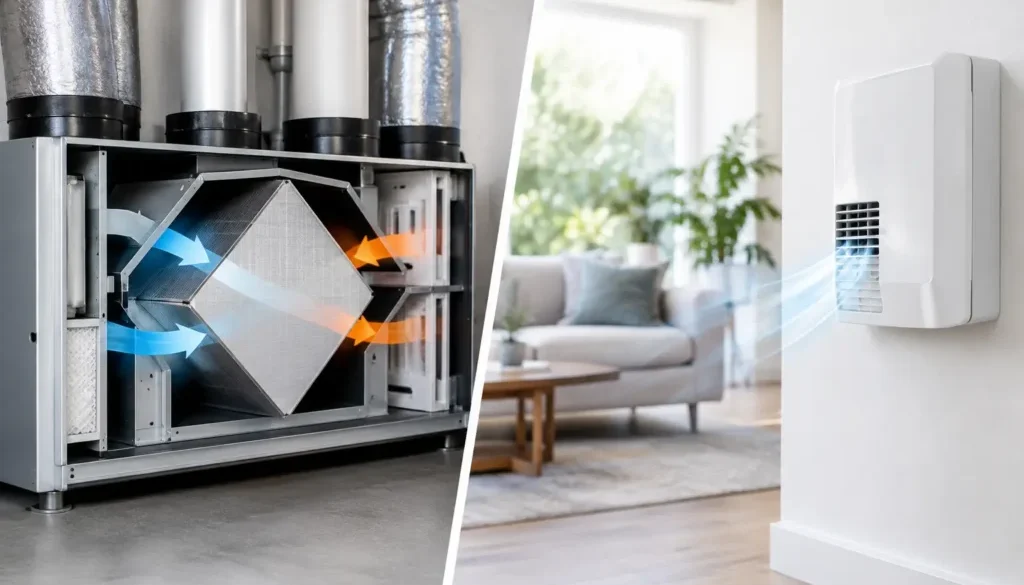
A positive pressure system introduces filtered air into the home, usually from the roof space or outdoors depending on the design. This gently raises the air pressure inside, encouraging stale indoor air to leave through natural gaps around the building. It is typically a supply-only approach.
An energy recovery ventilator, or ERV, is a balanced system. It brings fresh outdoor air in while extracting stale air from areas such as bathrooms, laundries and living spaces. The two air streams pass through a heat and moisture transfer core without mixing. This allows the incoming air to be tempered by the outgoing air, helping reduce the energy required to heat or cool the home.
That distinction matters. Positive pressure relies on the home’s existing leakage paths to remove indoor air. An ERV manages both supply and exhaust in a controlled way.
How positive pressure ventilation works in an existing home
Positive pressure ventilation is often considered for older homes with persistent window condensation, musty air and limited opportunities for major ductwork. A fan supplies filtered air into central areas of the home. The slight pressure difference encourages internal air to move out through gaps, exhaust fans and other openings.
In the right home, this can dilute indoor humidity and reduce the feeling of stagnant air. It may also help reduce condensation on windows by bringing in drier air when outdoor conditions allow. Installation can be comparatively straightforward, particularly where there is accessible roof space.
Its performance, however, is closely tied to the source air and the home itself. If a system draws from the roof cavity, the air temperature can be very hot in summer and cold in winter. Roof spaces can also collect dust and may not be suitable as an air source in every property. Good filtration, sensible controls and careful system design are essential.
Positive pressure does not actively extract moist air at the point it is produced. Steam from showers, moisture from drying clothes indoors and cooking vapour still need a clear path outside. A properly ducted bathroom exhaust fan and rangehood remain important parts of moisture control.
There is also no single pressure setting that suits every house. Too little airflow may deliver limited benefit. Too much may create draughts, unwanted heat loss or push moist internal air into building cavities through gaps. This is why a home assessment is more useful than choosing a unit based on floor area alone.
What an ERV changes
An ERV provides a measured exchange of air. Stale air is extracted and fresh air is supplied at matched or near-matched rates, so the home is neither deliberately pressurised nor depressurised. Instead of relying on gaps in the building, it gives air a planned route through the house.
This is especially valuable in well-sealed new builds, renovated homes with upgraded windows, and houses where occupants want predictable fresh air without leaving windows open. Supply air can be delivered to bedrooms and living zones, while extraction occurs where humidity and odours are generated. The result is continuous background ventilation rather than short bursts of air movement.
The energy recovery core transfers a large portion of the heat energy between outgoing and incoming air. On a cold Melbourne morning, warmer exhaust air can pre-warm fresh incoming air. In warmer conditions, the process can reduce the load placed on cooling. An ERV also transfers some moisture, which can help avoid excessively dry indoor air in certain conditions.
That moisture transfer is a feature that needs proper interpretation. It does not mean an ERV keeps a damp house damp. A balanced system still removes humid air from bathrooms, kitchens and laundries and replaces it with outdoor air. Yet, compared with a heat recovery ventilator that primarily transfers heat, an ERV can retain more indoor moisture under some conditions. The most suitable recovery technology depends on the climate, the home’s moisture load and the occupants’ comfort needs.
Moisture, condensation and mould: which system helps more?
Neither system is a mould treatment on its own. Mould needs moisture, a suitable surface and time. Ventilation addresses one of the main drivers by removing or diluting humid air, but leaks, rising damp, plumbing faults, poor drainage and wet subfloors require their own solutions.
For a home with recurring condensation across several rooms, a balanced ERV system often offers more consistent humidity management because it extracts moisture-laden air as part of normal operation. It also avoids depending entirely on random gaps for stale air to escape.
A positive pressure system may be a sensible option where the central issue is stale air and mild window condensation in a leaky older home, particularly if a full ducted balanced system is not practical. It can be an effective improvement, but it should not be presented as a universal answer to severe moisture problems.
Where a bathroom has no effective exhaust, clothes are dried indoors, or a subfloor is damp, the priority may be targeted extraction or subfloor ventilation before selecting whole-home ventilation. The source of moisture always matters more than the symptom seen on the glass.
Comfort and energy use in Melbourne conditions
Melbourne homes experience cold, damp winter periods, hot summer days and rapid weather changes. Opening windows can provide useful ventilation, but it is not always comfortable, secure or practical for a household dealing with traffic noise, pollen, bushfire smoke or an empty home during the day.
Positive pressure systems use relatively modest fan energy, but they do not recover heat from air leaving the building. In winter, any warm indoor air that escapes is replaced with incoming air that may need heating. Their running cost and comfort effect depend heavily on airflow settings, source air and the home’s insulation and draught levels.
ERV systems generally have a higher upfront cost and require more detailed design, ducting and commissioning. In exchange, they can offer stronger control over where air enters and exits, better year-round comfort and lower heating or cooling losses than uncontrolled ventilation. Filters require regular checking and replacement, while ducts and grilles should remain accessible for maintenance.
For some renovations and apartments, decentralised ERV units installed room by room may be more achievable than a fully ducted system. For a large new build, a centralised system can be designed into the layout from the start. The right approach is not always the biggest system. It is the system that can be properly installed, used and maintained.
Questions to ask before choosing
Before deciding between ERV and positive pressure, consider where the dampness appears, whether it is seasonal or constant, and whether particular rooms feel stuffy. Notice whether condensation is limited to bedrooms, follows showers, or occurs throughout the house. These clues help identify whether the issue is occupancy moisture, inadequate extraction, cold surfaces, building leakage or a combination.
It is also worth considering the age of the home, access to ceiling cavities, existing exhaust fans, the condition of the roof space, heating and cooling arrangements, and whether windows have recently been upgraded. A system that suits a draughty weatherboard home in Eltham may not suit a tightly built townhouse in Melbourne’s south-east.
Is positive pressure cheaper than an ERV?
Usually, yes. Positive pressure systems are often less complex to install than balanced ERV systems. Lower upfront cost should be weighed against the level of moisture control, heat recovery and air-path control your home needs.
Can an ERV replace bathroom and kitchen exhaust?
An ERV can provide continuous extraction from wet areas when designed for that purpose, but high-moisture activities still benefit from dedicated boost extraction. A kitchen rangehood should generally vent cooking fumes outside rather than recirculate them through the home ventilation system.
Will either system fix damp under the house?
Not necessarily. Subfloor moisture needs assessment in its own right. Poor drainage, inadequate subfloor airflow, plumbing leaks and ground moisture can affect timber floors and indoor air quality, and may call for targeted subfloor ventilation or building repairs.
A good ventilation decision starts with diagnosing how air and moisture are moving through your particular home. Ecoflow Ventilation can assess those conditions and recommend a system that supports healthier air, drier surfaces and everyday comfort without relying on a one-size-fits-all answer.