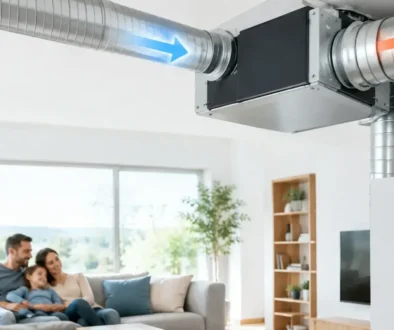
A warm house can still have wet windows, musty bedrooms and mould returning to the same wall each winter. That is where heat recovery versus heat transfer becomes more than a technical comparison. Both can improve comfort and reduce heating demand, but only one is designed to replace stale indoor air with filtered fresh air while recovering energy that would otherwise be lost.
For Melbourne homeowners dealing with condensation, humidity or persistent stale air, choosing the wrong system can mean a more evenly heated home without solving the underlying moisture problem. The right answer depends on what is causing the issue, how the home is built and what outcome matters most.
Heat recovery versus heat transfer: the core difference
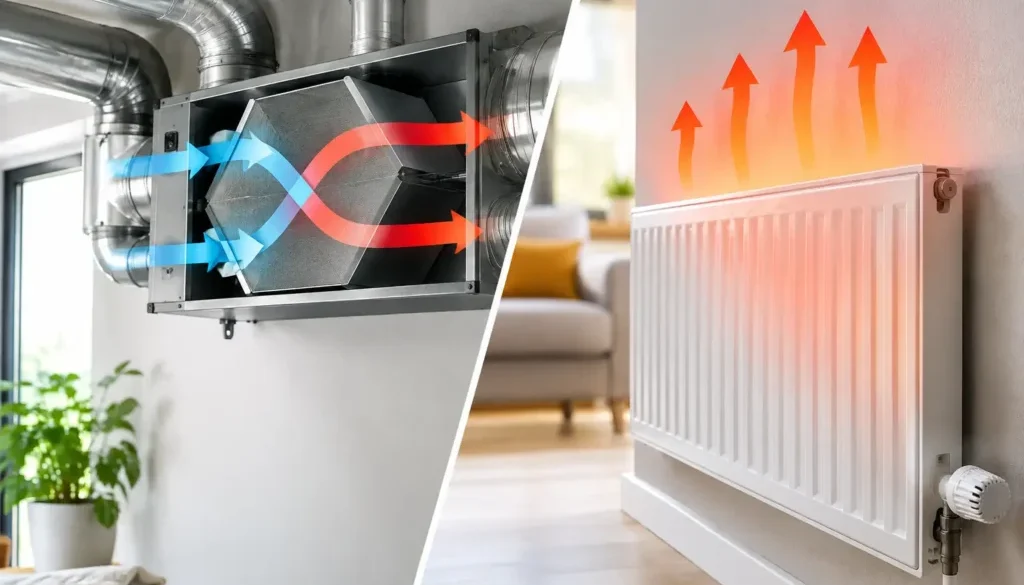
Heat recovery ventilation, often called HRV, is a whole-home ventilation approach. It continuously extracts stale air from moisture-prone rooms such as bathrooms, laundries and kitchens, while supplying filtered outdoor air to living areas and bedrooms. The two air streams pass through a heat exchanger without mixing. In winter, warmth from the outgoing stale air is transferred to the incoming fresh air.
A heat transfer system does something different. It moves warm air from one part of the home to another. For example, it may distribute excess heat from a lounge with a wood heater to cooler bedrooms, or use warm air collected in the roof space to help heat living spaces. It can improve temperature balance, but it generally does not provide controlled fresh-air exchange.
That distinction matters. Heat recovery is principally about ventilation, indoor air quality and energy-efficient comfort. Heat transfer is principally about redistributing available warmth.
What a heat recovery system can address
A properly designed HRV system removes air that has collected moisture, odours, carbon dioxide and everyday indoor pollutants. At the same time, it brings in a measured supply of outdoor air, usually through filters. Rather than opening windows on a cold, wet Melbourne morning, the home can receive fresh air with much of the existing indoor warmth retained.
This makes heat recovery particularly relevant when a home experiences recurring condensation on windows, stuffy bedrooms, mould growth linked to high indoor humidity, or a damp smell that returns after cleaning. It is also valuable in newer, more airtight homes, where draughts are reduced but natural air leakage is no longer enough to dilute moisture and stale air.
The benefits are not limited to winter. A well-designed system can provide continuous background ventilation year-round. Many units include summer bypass functions, allowing cooler evening air to bypass the heat exchanger when heat recovery is not wanted. System selection and controls still matter, especially in homes with different occupancy patterns, shading and insulation levels.
HRV and ERV are not identical
You may also see energy recovery ventilation, or ERV. Like HRV, an ERV exchanges stale indoor air for fresh outdoor air while conserving energy. The difference is that an ERV core can transfer some moisture as well as heat.
Neither is automatically better in every Victorian home. HRV can be a strong choice where removing indoor moisture is the priority. ERV may suit homes where retaining some humidity during dry conditions improves comfort. The practical choice should be based on the home’s moisture loads, ventilation needs and local conditions, not simply the product label.
What a heat transfer system does well
Heat transfer can be an effective comfort upgrade where there is a reliable surplus of heat in one area and colder rooms elsewhere. A common example is a home with a powerful wood heater in the main living room and chilly bedrooms down the hall. A ducted transfer system can move some of that heat to where it is needed, reducing large temperature differences through the house.
It may also be considered in homes where solar gain creates a warm roof space at certain times. However, roof-space heat availability changes with weather, season, roof design and time of day. It should not be assumed that a roof cavity will provide consistent, useful heat when the house needs it most, such as on a cold, overcast winter morning.
For households focused solely on improving room-to-room warmth, heat transfer can be a simpler and more targeted solution than a full ventilation system. It does not, however, remove the moisture produced by showers, cooking, clothes drying and everyday living. Nor does it reliably address stale air in closed bedrooms.
Why heat transfer alone may not stop condensation
Condensation occurs when moist indoor air meets a surface cold enough for water vapour to turn into liquid. Windows are often the first visible sign, but moisture can also collect on cold walls, inside roof spaces and around poorly insulated building elements.
Moving warm air can make a room feel better and may slightly reduce surface condensation in some circumstances. But if the home still retains too much moisture, the cause has not been removed. In fact, transferring air around a home without adequate extraction or fresh-air supply can redistribute moisture and odours rather than control them.
This is why homes with wet windows, mould on ceilings or bathroom humidity that lingers need a ventilation assessment before selecting a heat transfer system. Effective source extraction, balanced air movement and appropriate ventilation rates are central to moisture management. A dehumidifier may provide useful support in some cases, but it also does not replace the need to manage moisture at its source.
Installation and running-cost considerations
A heat transfer system is usually less complex than a whole-home heat recovery installation. It may need a fan, ducting, ceiling grilles and controls, with the final layout depending on the heat source and rooms being served. Its running costs are generally related to the fan, although any benefit also relies on having excess heat available to move.
Heat recovery ventilation requires more detailed design. The system needs correctly sized ducts, suitable supply and extract points, a thoughtfully located unit, condensate management where required, and balanced airflow commissioning. Filters need periodic cleaning or replacement, and the unit must remain accessible for maintenance.
That additional planning is worthwhile when the goal is healthier indoor air and reliable moisture control. Poorly designed ventilation can be noisy, underperforming or deliver fresh air to the wrong areas. A system should respond to the home rather than force the home to fit a standard package.
When each option makes sense
Heat transfer is often the better fit when the house is generally dry and well ventilated, but one heated living area is much warmer than the rest of the home. It can help make existing heating work harder, particularly where a wood heater produces more warmth than one room requires.
Heat recovery is generally the stronger option when comfort concerns sit alongside condensation, mould risk, stale air, allergies, closed-up bedrooms or high indoor humidity. It is especially suited to homes that are being renovated, newly built or upgraded for better airtightness, because fresh-air provision needs to be intentional.
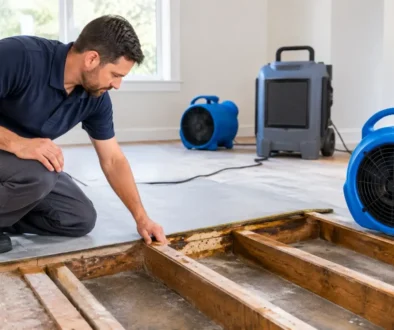
Some properties need more than one measure. A home may benefit from heat recovery ventilation for daily air quality and moisture control, targeted bathroom extraction, improved insulation and draught sealing, or subfloor ventilation where dampness is coming from below. If there is water ingress, plumbing leakage or drainage failure, those building issues must be fixed rather than ventilated around.
For homeowners across Melbourne and Victoria, the most useful first question is not which system is best in general. It is whether the home needs fresh air, drier air, better heat distribution, or a combination of these outcomes. A home-specific assessment turns that answer into a system that supports healthier air and more comfortable living every day.