
When the windows are wet on a cool Melbourne morning, it is tempting to wipe them down and move on. But condensation is often one of the clearest signs your home needs ventilation. The same applies to a damp smell that returns after cleaning, mould around window frames, or rooms that feel stuffy despite open windows. These are not simply housekeeping issues. They can point to excess moisture and pollutants remaining inside the home.
Modern homes, renovated homes and older properties can all experience poor air movement for different reasons. The right response depends on where moisture is coming from, how the home is built and how your household uses it. Recognising the warning signs early can help protect your family’s comfort, indoor air quality and the condition of the building itself.
1. Condensation keeps forming on windows
A little condensation after a shower or on an exceptionally cold morning is not always cause for alarm. Persistent moisture on the inside of windows, however, deserves attention – particularly when it runs down the glass, pools on sills or appears across several rooms.
Warm indoor air holds moisture. When it meets a cold window surface, that moisture turns to water droplets. Cooking, showering, drying washing indoors and simply breathing all add water vapour to the air. Without enough controlled fresh-air exchange, the moisture has nowhere useful to go.
Single glazing and poorly insulated windows can make condensation more visible, but windows are often revealing an indoor humidity problem rather than causing it. Repeated condensation can damage timber frames, soften plaster and create ideal conditions for mould.
2. Mould returns after you clean it
Mould that reappears in the same corner, behind furniture, on ceilings or around wardrobes is a moisture-control issue until proven otherwise. Cleaning removes visible growth, but it does not address the humid air, cold surface or hidden dampness allowing spores to return.
Bathrooms, laundries and bedrooms are common problem areas. Bedrooms can be especially surprising because doors are often shut overnight while people breathe out moisture for hours. In older Melbourne homes, external walls, uninsulated corners and poorly ventilated roof spaces can also create colder surfaces where moisture settles.
Mould should not be ignored, particularly where children, older people, or household members with asthma and allergies are present. It can also signal a separate problem such as a plumbing leak, roof leak or rising damp. A ventilation assessment should consider these possibilities rather than assuming one solution suits every home.
3. The house smells musty or stale
A home should not smell damp when you walk in after being away for the day. Musty odours commonly develop when moisture lingers in enclosed spaces, including bedrooms, cupboards, bathrooms, basements and subfloors.
Stale air can also be caused by everyday pollutants building up indoors. Cleaning products, furnishings, cooking fumes and outdoor particles brought inside all affect air quality. Opening windows may improve the smell temporarily, but it is not always practical during cold weather, pollen season, bushfire smoke events or when security is a concern.
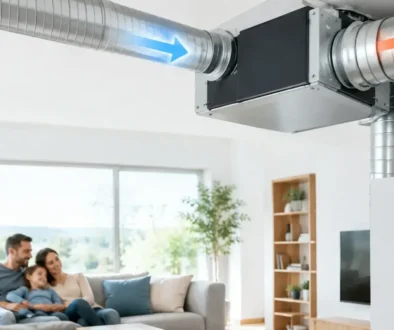
Mechanical ventilation provides a more consistent approach. Depending on the home, it may extract stale air from wet areas, supply filtered fresh air, or do both in a balanced way.
4. Bathrooms and laundry rooms stay damp
Steam should clear reasonably soon after a shower. If bathroom mirrors remain fogged for a long time, towels never seem to dry, or paint begins peeling near the ceiling, moisture is probably not being removed effectively.
A working exhaust fan is not automatically an effective one. Some fans are undersized, noisy enough that no one uses them, poorly ducted, or vented into the roof space rather than outside. A fan may also move air only while it is switched on, leaving humidity to build up at other times.
Laundry rooms have a similar challenge, especially where washing is dried on racks indoors. A properly designed extraction or whole-home ventilation strategy can reduce the moisture load without relying solely on open windows.
5. You wake up with a stuffy bedroom
A closed bedroom can feel noticeably stale by morning, particularly in newer homes designed to be more airtight. You may notice a heavy smell, lingering humidity on cooler mornings, or a feeling that the room never quite freshens.
This is not necessarily a sign that the home is too well sealed. Airtightness can improve energy efficiency, but it needs to be paired with intentional ventilation. Otherwise, indoor moisture and carbon dioxide can accumulate while the room is occupied.
Decentralised ventilation units can be useful where individual bedrooms or selected rooms need improved fresh-air exchange. In other homes, a centralised system may better serve multiple spaces. The suitable option depends on the layout, construction and access available for ducting.
6. Allergies or respiratory symptoms feel worse indoors
Ventilation will not cure allergies or asthma, and medical advice should always come first. Yet poor indoor air quality can aggravate symptoms for some people, particularly when mould, dust, humidity or stale air are present.
If coughing, blocked noses, irritated eyes or breathing discomfort seem worse at home and improve elsewhere, the indoor environment is worth investigating. The cause may be moisture, inadequate extraction, outdoor pollutants entering through uncontrolled gaps, or a combination of factors.
A well-designed system can help manage airborne moisture and bring in outdoor air in a controlled way. Systems with appropriate filtration may also be valuable for households concerned about pollen, fine particles or urban air pollution. The aim is not to make promises about health outcomes, but to create cleaner, more consistently refreshed indoor air.
7. Timber floors feel cold, damp or uneven
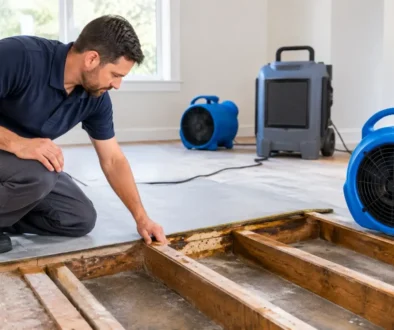
Cold timber floors can be normal in winter, but a persistent damp feeling, cupping boards, movement between boards or a musty odour beneath the house may point to subfloor moisture. In homes with a raised timber floor, the underfloor area needs enough airflow to prevent damp air becoming trapped around stumps, joists and bearers.
Poor subfloor ventilation can contribute to mould, timber deterioration and an uncomfortable indoor environment. It may also be linked to drainage issues, inadequate ground moisture barriers or water entering beneath the house. Fans alone are not always the answer. The source of water and the condition of the subfloor need to be assessed before a system is selected.
8. Some rooms are always humid, cold or uncomfortable
Uneven comfort from room to room is often a clue that air is not moving where it needs to. A south-facing bedroom may feel clammy, a back room may smell closed-in, or a bathroom may remain damp while the rest of the home feels fine.
Furniture pushed against external walls can reduce air circulation and make mould more likely in already cool areas. However, rearranging furniture only helps at the margins if the home has a broader moisture problem. Targeted extraction, decentralised units or a whole-home approach may be more appropriate depending on the affected rooms.
9. Opening windows is your only ventilation plan
Windows are valuable, and natural ventilation can work well when weather, security and outdoor air quality allow it. But a home that relies entirely on open windows may struggle to maintain fresh air and humidity control through winter, overnight or during wet weather.
This is particularly relevant in Melbourne, where a day can move from cold and wet to warm and still with little warning. Keeping windows open is not always comfortable, safe or energy efficient. Mechanical ventilation gives homeowners a predictable way to exchange air without leaving the house exposed to the elements.
What type of ventilation may help?
There is no universal system for every property. Positive pressure ventilation may suit some existing homes where fresher air is needed throughout the living areas. Extract ventilation can be effective for removing moisture from bathrooms, laundries and kitchens. Heat recovery ventilation and energy recovery ventilation can exchange stale indoor air for fresh outdoor air while recovering much of the energy that would otherwise be lost.
For renovations or homes with limited roof-space access, decentralised systems can offer room-by-room ventilation without extensive ductwork. Subfloor systems are designed for a different task again: improving airflow beneath raised floors where dampness is present.
The key is to diagnose before installing. A leaking shower, blocked gutter, poor site drainage or roof defect needs repair alongside any ventilation work. Likewise, an oversized or poorly positioned system can waste energy or fail to address the rooms causing concern.
A professional home assessment looks at visible symptoms, moisture sources, building layout, insulation, window performance, subfloor conditions and how the household lives in the space. Ecoflow Ventilation takes this tailored approach because healthier air is not achieved by fitting the same unit into every home.
If condensation, mould or stale air has become part of daily life, treat it as useful information from your home. Finding the moisture source and creating the right path for fresh air can make the house feel drier, calmer and more comfortable for the people living in it.