
A freshly cleaned mould patch can look reassuring, but the real test comes weeks later. Meaningful mould prevention outcomes are not about making a wall look clean for a day. They are about reducing the moisture and stale-air conditions that allow mould to return, while making the home more comfortable for the people living in it.
For many Melbourne homeowners, recurring mould is a symptom rather than the main problem. Window condensation, damp wardrobes, a musty smell under the floor, peeling paint and black spots on ceilings often point to excess indoor moisture, poor air movement or both. The right solution depends on where that moisture is coming from and how the home is used.
What good mould prevention outcomes look like
The best result is not simply fewer visible marks on walls. It is a home that dries more reliably after showers, cooking, washing and cold weather, with fresher air and fewer places for moisture to settle.
In practical terms, homeowners often notice less condensation on windows in the morning, reduced musty odours, drier bathrooms and laundry areas, and fewer cold, clammy rooms. In homes with subfloor moisture issues, good outcomes can also include a drier underfloor space and better protection for timber floors and structural timbers.
Health and comfort matter too. Mould can aggravate respiratory symptoms for some people, particularly those with asthma, allergies or sensitivities. Ventilation cannot replace medical advice, but reducing dampness, airborne pollutants and stale air supports a healthier indoor environment for the whole household.
A lasting result also protects the property. Repeated moisture exposure can contribute to paint failure, damaged plaster, swollen joinery and timber deterioration. Addressing the conditions behind mould early is usually less disruptive than waiting for visible damage to spread.
Why mould keeps returning after cleaning
Cleaning has a role, particularly where mould growth is limited and surfaces can be safely treated. However, cleaning alone does not change humidity levels or improve air exchange. If the same room remains humid, cold and poorly ventilated, spores have an opportunity to establish again.
Bathrooms are a common example. A long shower releases a significant amount of moisture into the air. If that moisture is not extracted effectively or allowed to escape through controlled ventilation, it settles on cooler surfaces such as ceilings, window frames and external walls. The problem can be worse in winter, when homes are kept closed and those surfaces are colder.
Bedrooms and living areas can have less obvious sources of moisture. People breathe out water vapour overnight, indoor clothes drying adds humidity, and unvented gas appliances can introduce more moisture into the home. In older homes, draughts may provide some uncontrolled airflow, but they do not necessarily ventilate the dampest areas effectively. In newer, better-sealed homes, planned ventilation becomes even more important because moisture has fewer ways to leave.
The role of ventilation in mould prevention outcomes
Ventilation manages moisture at its source and replaces stale indoor air with cleaner outdoor air in a controlled way. The most suitable approach depends on the home’s construction, room layout, existing fans, insulation, heating habits and moisture concerns.
Local extraction for wet areas
A correctly selected and installed exhaust system can remove humid air from bathrooms, laundries and kitchens before it travels through the rest of the home. Performance is not only about the fan itself. Duct length, bends, discharge location and controls all affect how well it works.
A fan that is noisy, undersized or switched off too soon may offer limited benefit. Timers and humidity-responsive controls can help ventilation continue long enough to clear moisture after a shower or load of washing.
Whole-home mechanical ventilation
Where condensation or stale air affects several rooms, a whole-home strategy may deliver more consistent results than relying on individual fans. Positive pressure, balanced mechanical ventilation, heat recovery ventilation and energy recovery ventilation each work differently. The right option depends on the building and the concern being addressed.
Heat recovery and energy recovery systems can be particularly valuable in homes where owners want regular fresh-air exchange without wasting as much heating or cooling energy. These systems recover energy from outgoing air to temper incoming air, helping support comfort while managing indoor air quality. They still need careful design, commissioning and maintenance to perform as intended.
Subfloor ventilation for damp spaces below
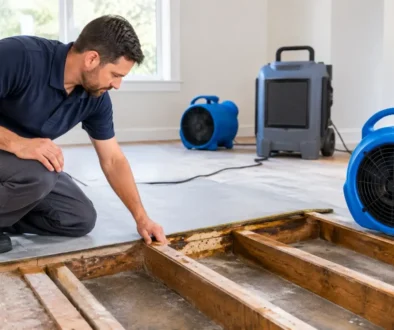
A persistent musty smell, cold timber floors or moisture beneath the house may indicate a subfloor issue. Underfloor areas can remain damp because of poor cross-ventilation, ground moisture, drainage concerns or plumbing leaks. That moisture can affect the rooms above and place floor structures under unnecessary stress.
Subfloor ventilation can improve airflow beneath the home, but it should not be treated as a cure-all. If there is standing water, drainage failure or a plumbing leak, those issues must be identified and rectified as part of the solution. Moving air through a wet subfloor without understanding the source can leave the underlying problem untouched.
Why one-size-fits-all systems disappoint
It is tempting to buy a fan, dehumidifier or ventilation product based on a quick online comparison. These products can be useful in the right setting, but the outcome depends on the whole house rather than a single claim on a box.
For example, a portable dehumidifier may lower humidity in one closed room, but it requires regular emptying or drainage and does not necessarily improve fresh-air exchange throughout the home. Opening windows may help on a dry day, yet it is less practical during rain, pollen season, security concerns or a cold Melbourne winter. A powerful extraction fan may also underperform if replacement air cannot enter the room or the ductwork is poorly designed.
A home-specific assessment considers the building’s moisture pathways. That includes where condensation appears, when it is worst, whether rooms feel stuffy, how occupants heat and ventilate the home, and whether dampness is coming from above, within or below the structure. This is why tailored design generally produces more reliable mould prevention outcomes than installing the same system in every property.
Measuring improvement realistically
Mould prevention is not always an overnight change. A home with long-standing moisture problems may need time to dry, especially in timber, plaster, carpets or subfloor materials. The aim is steady, measurable improvement rather than a quick cosmetic fix.
Useful signs of progress include less frequent window condensation, a reduction in damp odours, dry surfaces after normal bathroom use, and no new mould growth following proper cleaning and remediation. Humidity monitoring can provide another useful reference point, particularly in bedrooms, bathrooms and areas where occupants dry clothes indoors.
That said, numbers need context. Indoor humidity naturally changes with weather, cooking, showers and occupancy. A reading on one day does not tell the full story. Looking for patterns over time, alongside visible conditions and household comfort, gives a clearer picture.
Supporting ventilation with everyday habits
A well-designed system works best when paired with sensible moisture management. Use bathroom extraction during and after showers, cover pots when cooking, and avoid drying laundry indoors where possible. If indoor drying is necessary, use a well-ventilated space rather than a closed bedroom.
Keep trickle vents or designated air inlets clear where they form part of the ventilation design, and clean or replace filters according to the system’s requirements. If a home suddenly develops a damp smell or a new patch of mould, investigate early. A leaking pipe, roof issue or blocked drainage line needs a different response from everyday condensation.
For homeowners facing recurring mould, the most useful next step is to look beyond the affected surface. Identify where the moisture is produced, where it is accumulating and how air is moving through the home. With the right diagnosis and a professionally designed ventilation approach, a drier, fresher home becomes an achievable long-term outcome rather than another temporary clean-up.