
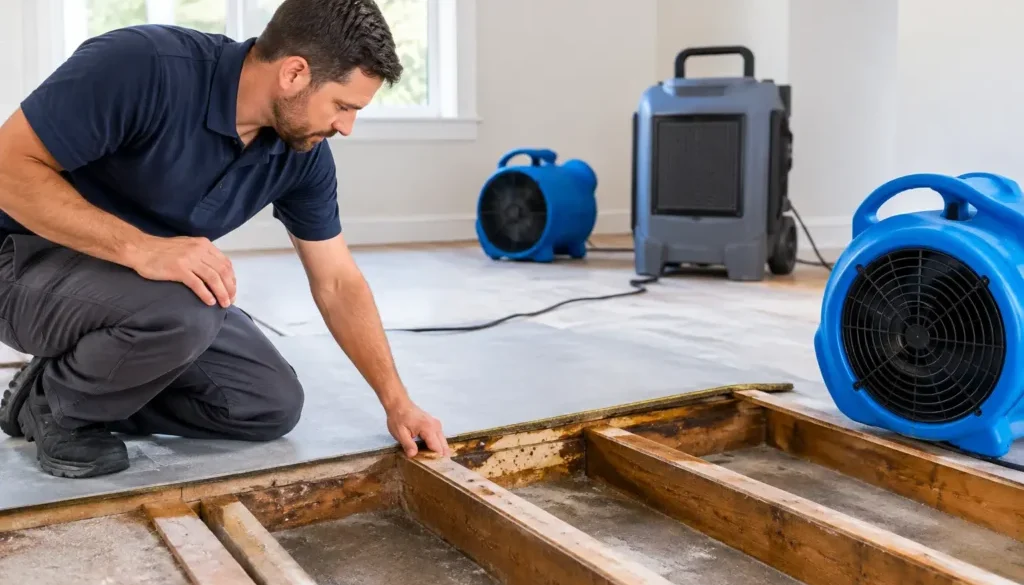
A damp smell that returns after cleaning, chilly timber floors and recurring mould can all point to moisture below the home. Subfloor drying outcomes are not just about making the subfloor feel less damp. The right outcome is a drier, more stable underfloor environment that helps protect timber, improves the air moving into living areas and reduces conditions that allow mould and decay to develop.
For many Melbourne homes, especially older properties with enclosed subfloors, drying takes time. Winter rain, shaded blocks, poor drainage and limited underfloor access can all keep moisture trapped where it is hardest to see. A well-designed solution starts by identifying why the area is wet, rather than simply adding a fan and hoping for the best.
What good subfloor drying outcomes look like
The most meaningful change is a sustained reduction in moisture, not a brief improvement on a dry, windy day. Once the subfloor has had an opportunity to dry, homeowners commonly notice less musty odour, fewer damp patches around floor edges and a more comfortable feel underfoot.
The benefits can extend beyond comfort. Timber bearers and joists are less likely to remain in conditions that encourage fungal decay. Timber flooring may be less prone to seasonal movement where excess underfloor moisture has been a contributor. A drier void can also reduce the amount of humid, stale air finding its way into the home through gaps around services, skirtings and floor penetrations.
That said, ventilation is not a cure for every moisture problem. If water is entering through poor site drainage, leaking plumbing, overflowing gutters, cracked stormwater pipes or rising moisture from bare soil, those sources need attention. Mechanical ventilation works best when it supports a dry subfloor, rather than being asked to overcome an ongoing water entry issue.
Better air, but not instant perfect air
Subfloor ventilation can improve the quality of air beneath the house by replacing stale, humid air with drier outside air when conditions allow. This often reduces the earthy or musty smell that homeowners notice in cupboards, hallways or rooms with timber floors.
However, outcomes inside the house also depend on the building envelope and how air moves between the subfloor and living spaces. A home with significant gaps may need a broader moisture and ventilation strategy. If there is visible mould indoors or frequent window condensation, whole-home ventilation, bathroom extraction and kitchen extraction may also need to be considered.
What determines how quickly a subfloor dries?
There is no reliable one-size-fits-all drying timetable. Some subfloors show a noticeable improvement in odour and surface dampness within weeks. A heavily damp area can take months to reach a more stable condition, particularly through a Victorian winter.
The main factor is the moisture load. A small amount of humid air in an otherwise dry cavity is very different from wet soil, standing water or saturated building materials. Ventilation can remove moisture vapour, but it cannot efficiently dry a subfloor that continues to receive water after every rainfall.
Airflow design matters just as much as fan capacity. Air needs a clear path through the subfloor, with intake and exhaust locations selected to sweep across the space rather than short-circuiting near one vent. Internal walls, low clearances, stored materials and sections divided by brickwork can all create stagnant pockets. These areas may require a more considered layout than a simple fan at each end of the home.
Outdoor conditions also affect performance. In cool, wet weather, outside air may already carry substantial moisture. Ventilation is still valuable for moving stagnant air, but drying can be slower than during drier periods. This is why a system should be selected around the property, its construction and local exposure, not just the size of the subfloor.
The first step is stopping water at the source
Before assessing fans, it is sensible to look for direct water entry. This may include blocked or undersized drains, downpipes discharging too close to the home, overflowing gutters, poorly graded paving, leaking pipes, damaged membranes or groundwater collecting beneath the building.
A bare-earth subfloor can also release significant moisture into the air. Depending on the site and building design, a ground vapour barrier may help reduce evaporation from the soil. It is not always necessary, and it must be installed carefully so it does not interfere with drainage or conceal water problems, but it can be valuable where ground moisture is a persistent contributor.
The trade-off is straightforward: treating only the symptom may provide partial relief, while treating the source alongside ventilation gives the system a realistic chance of delivering lasting results. If standing water is present, drainage and plumbing issues should be addressed before expecting ventilation to dry the space adequately.
Why balanced airflow matters more than adding more vents
Natural vents have a role, but they depend on wind direction, temperature differences and whether surrounding landscaping or additions have restricted airflow. In many homes, existing vents are blocked, too few in number or positioned in a way that leaves much of the cavity still.
Mechanical subfloor ventilation provides controlled airflow. Depending on the home, a system may extract moist air, introduce fresh air, or use a combination of pathways to encourage effective air exchange. The best approach depends on the layout, external exposure, moisture source and the condition of the existing vents.
More airflow is not automatically better. Excessive or poorly directed airflow can waste energy, introduce cold air below the floor in winter, or fail to reach the wettest zone. Sensible system design considers fan location, duct runs, vent sizes, noise, access for maintenance and the need to prevent pests entering the subfloor.
Measuring progress rather than relying on smell alone
A musty smell is a useful warning sign, but it is not the only measure of success. Smell can linger in carpets, timber or stored belongings after the underlying environment has started to improve. Conversely, a subfloor may have no strong odour while timber moisture remains elevated.
A more reliable review considers visible evidence, moisture readings where appropriate and the pattern of conditions over time. Are there still wet areas after rain? Is condensation appearing on pipes or the underside of flooring? Are timber elements showing signs of decay, staining or insect activity? Has the underfloor humidity reduced through different weather conditions?
Homeowners should also watch for changes upstairs. A reduction in stale odours and recurring mould is encouraging, but it does not replace an inspection if mould continues to appear on walls or ceilings. Indoor mould may have separate causes, such as inadequate bathroom extraction, poor heating practices, thermal bridging or high household moisture production.
When subfloor drying will not solve the whole problem
Subfloor ventilation is highly relevant where the underfloor void is damp, stagnant and contributing moisture or odours to the home. It is less likely to be the sole answer when the primary issue is condensation in bedrooms, a roof leak, poor bathroom ventilation or an unaddressed plumbing leak.
Older homes often have more than one moisture pathway. For example, a house may have a damp subfloor from poor drainage and mould on external walls caused by indoor humidity and limited air exchange. Addressing both issues creates a much better chance of a healthy, comfortable result than focusing on one symptom.
For homes in Melbourne and across Victoria, seasonal weather can make these patterns harder to interpret. A tailored assessment can separate temporary winter dampness from an ongoing moisture issue, and identify whether drainage works, subfloor ventilation or a broader home ventilation approach is appropriate.
A drier subfloor is a long-term property outcome
The strongest result is not a fan that runs continuously. It is a subfloor that remains dry enough to support healthy air, stable building materials and everyday comfort through changing weather. That takes realistic expectations, careful diagnosis and a system matched to the home rather than a generic installation.
If damp odours, cold floors or recurring moisture are affecting your property, start by finding where the water and humidity are coming from. Once that picture is clear, the right ventilation and moisture-control measures can protect both the home and the people living in it.