A patch of mould above a bedroom window or a musty smell in a wardrobe is rarely just a cleaning problem. It is a sign that moisture is lingering somewhere in the home. Knowing how to reduce mould indoors starts with finding out where that moisture comes from, then improving the way damp air is removed before it settles on cold surfaces.
Mould needs three things to grow: moisture, a surface to settle on and time. Most homes will always have suitable surfaces, from plaster and paint to timber, fabrics and dust. The practical goal is to reduce excess moisture and give humid indoor air a reliable path outside.
Why mould keeps returning after you clean it
Cleaning visible mould can improve the appearance of a wall, ceiling or window frame, but it does not change the conditions that caused it. If the same room remains humid, poorly ventilated or affected by a leak, mould spores can return quickly.
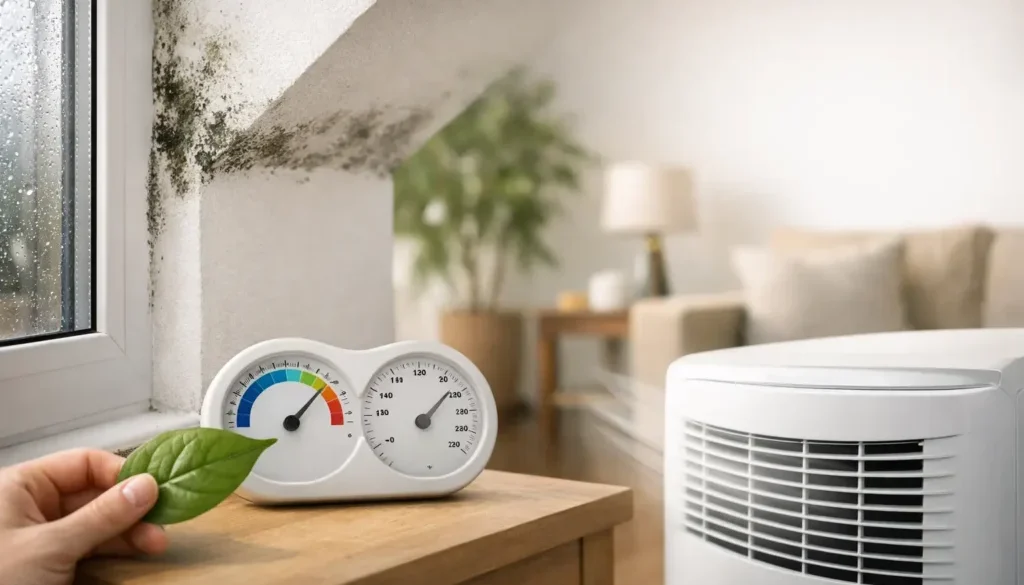
In Melbourne and across Victoria, this is particularly common through cooler months. Warm indoor air holds moisture from showers, cooking, clothes drying and breathing. When that air meets a cold window, external wall or ceiling, condensation forms. Repeated condensation can feed mould growth even where a room does not feel obviously damp.
Older homes may also have underfloor dampness, inadequate extraction in wet areas, gaps in insulation or limited natural airflow. Newer, more airtight homes can experience similar issues when they retain moisture but do not have planned mechanical ventilation. The building age matters less than how moisture moves through the home.
How to reduce mould indoors by controlling moisture
The most effective approach is to deal with moisture at its source. Start with the rooms that create the most water vapour: bathrooms, laundries and kitchens.
Use bathroom exhaust fans during every shower and leave them running afterwards, ideally until the room has cleared. A fan that is noisy but moves very little air will not do the job, so performance matters more than simply having a fan fitted. Keep bathroom doors closed while showering to avoid sending humid air through bedrooms and hallways.
When cooking, use the rangehood every time, particularly when boiling water or simmering food. A rangehood that vents outdoors is generally more effective at removing moisture than a recirculating model. In the laundry, avoid drying clothes indoors where possible. If indoor drying is unavoidable, use a well-ventilated room with effective extraction rather than a bedroom or living area.
Small habits make a genuine difference. Wipe condensation from windows in the morning, dry wet shower surfaces where practical and avoid pushing large furniture tightly against cold external walls. A narrow gap allows air to circulate behind wardrobes, beds and couches, reducing the chance of hidden mould.
Check for leaks and building moisture
Ventilation will not solve an active plumbing leak, a failed roof tile, overflowing guttering or water entering through damaged external cladding. Look for yellow staining, bubbling paint, localised damp patches and mould that appears after rain. These patterns point to a building or plumbing issue that should be repaired first.
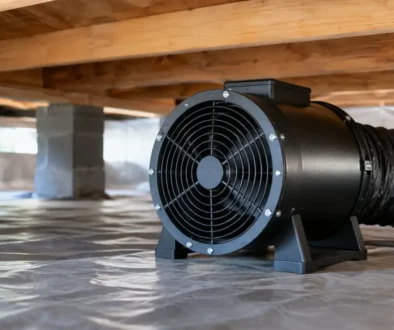
Subfloor moisture also deserves attention. A damp crawl space can create musty odours, affect timber floors and contribute to moisture moving into living areas. The right solution may include drainage improvements, ground moisture control or purpose-designed subfloor ventilation. It depends on the construction of the home and the source of the dampness.
Improve airflow without making the house cold
Opening windows can help on a dry day, but it is not always practical or reliable. During a wet Victorian winter, opening windows may introduce cold air without adequately solving humidity throughout the home. It also relies on people being home, noticing the issue and remembering to act.
This is where mechanical ventilation can provide a more consistent result. A professionally designed system exchanges stale, moisture-laden indoor air for fresher outdoor air at a controlled rate. The best system depends on the home, its layout, the affected rooms and whether the priority is condensation control, subfloor drying, whole-home air quality or energy efficiency.
Positive pressure systems can help introduce filtered air and encourage stale air to leave through existing openings. Decentralised ventilation units can suit targeted problem rooms or renovations where installing ductwork is difficult. Centralised energy recovery ventilation or heat recovery ventilation can ventilate a larger part of the home while recovering some of the energy from outgoing air, helping maintain comfort in cooler weather.
There is no single system that suits every property. A home with mouldy bedrooms caused by window condensation needs a different assessment from a home with a wet subfloor, persistent bathroom humidity or stale air in a tightly sealed new build. A tailored design avoids spending money on equipment that does not address the actual moisture pathway.
Clean existing mould safely and realistically
Once the moisture source is being controlled, clean visible mould from small, accessible areas using a suitable mould-cleaning product and the manufacturer directions. Wear gloves and avoid dry brushing or sanding mouldy surfaces, which can disturb spores. Ventilate the area while cleaning and dry it thoroughly afterwards.
Porous materials may need closer attention. Mould on a washable painted surface can often be cleaned, but heavily affected carpet, insulation, plasterboard, ceiling tiles or soft furnishings may need professional assessment or replacement. If mould covers a large area, keeps returning despite moisture control, or follows a major water event, engage a qualified remediation professional rather than trying to manage it room by room.
For households with asthma, allergies, young children or people with respiratory sensitivities, it is sensible to act early. The aim is not to create a sterile home. It is to maintain dry surfaces, fresher air and a home environment where mould is less likely to establish itself.
Watch the warning signs, not just the mould
Visible black or green marks are an obvious warning, but they are not the only one. Windows that sweat each morning, a damp smell under the house, peeling paint, cold clammy rooms and clothes that feel slightly damp in cupboards can all indicate excess indoor moisture.
A simple humidity monitor can help reveal patterns, especially in bedrooms and bathrooms. Humidity rises after showers, cooking and overnight sleeping, but it should fall again when the home has adequate extraction and ventilation. If readings remain high for long periods, or condensation is regular, the home may need more than occasional window opening.
Ecoflow Ventilation assesses how air and moisture move through individual homes, then recommends a ventilation approach that suits the building and the people living in it. For homeowners dealing with recurring condensation or mould, a proper assessment can replace trial-and-error fixes with a clear plan for healthier, drier air.
Mould control is most successful when it becomes part of how the home operates: repair water entry, extract moisture where it is created, maintain steady airflow and respond to early signs of condensation. That approach protects more than walls and ceilings – it helps make everyday living more comfortable.