Condensation running down bedroom windows on a cold Melbourne morning is not just an inconvenience to wipe away. It is a visible sign that moisture is building up indoors. This guide to home humidity explains what a healthy level looks like, why homes become damp, and how to address the cause rather than continually cleaning the symptoms.
Humidity is part of normal daily life. Showers, cooking, clothes drying, breathing and even indoor plants release water vapour into the air. The issue begins when that moisture has nowhere to go, or when cold surfaces allow it to turn back into water. Left unmanaged, excess humidity can encourage mould, create musty smells and affect the long-term condition of your home.
What is a healthy humidity level at home?
Relative humidity measures how much water vapour is in the air compared with the maximum amount the air can hold at that temperature. For most Australian homes, a relative humidity range of about 40% to 60% is generally comfortable.
Below 40%, air can feel dry and may irritate skin, eyes and airways. Above 60%, particularly for extended periods, the risk of condensation, dust mites and mould growth increases. The reading matters, but so do the conditions in the room. A bathroom at 70% immediately after a shower is expected. A bedroom or living area that regularly sits above 60% is a different concern.
A simple digital hygrometer can help you understand what is happening. Place one in the rooms where you notice condensation, mould or a damp smell, and check it at different times of day. Take readings over a week rather than relying on one result. Morning readings can be especially revealing, as overnight breathing in closed bedrooms can raise moisture levels significantly.
Why humidity becomes a problem in Melbourne homes
Melbourne’s cool, changeable weather makes condensation a common household issue. When warm, moisture-laden indoor air meets a cold window, wall or ceiling surface, it cools quickly and releases water droplets. Single-glazed windows often show the first signs, but moisture can also settle in less obvious places such as wardrobes, external corners, roof spaces and behind furniture.
Homes can be damp for several reasons at once. Modern homes may be well sealed for energy efficiency but lack sufficient planned ventilation. Older homes can have cold surfaces, rising damp or poorly ventilated subfloors. Renovations may improve insulation and airtightness without updating bathroom, kitchen or whole-home ventilation.
Daily habits also play a role. Drying washing indoors, using unvented gas appliances, long showers and cooking without an effective rangehood can introduce litres of moisture into the air. Opening a window may help on a dry, breezy day, but it is not a reliable moisture-control strategy when it is cold, wet or still outside.
Humidity is not always the whole story
Not every damp patch or musty smell is caused by airborne humidity. A roof leak, plumbing leak, blocked drainage, poor external grading or moisture beneath the floor needs a different response. If a wall is visibly wet, paint is bubbling, timber feels soft, or the problem worsens after rain, investigate the building issue first.
Likewise, a dehumidifier can lower moisture in a room, but it cannot repair a leaking pipe or solve poor drainage. It is useful to distinguish between moisture entering the building structure and moisture generated inside the home.
Signs your home may have excess moisture
Repeated mould growth is one of the clearest signs, especially around windows, ceilings, wardrobes and external walls. Other clues include water on window sills, damp clothing in cupboards, peeling paint, persistent musty odours and rooms that feel stuffy even after cleaning.
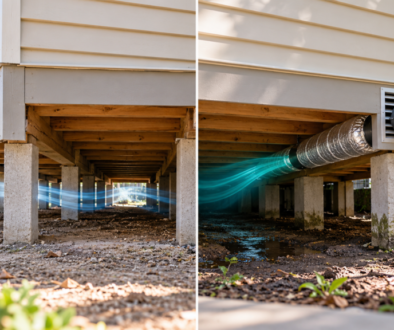
Subfloor dampness can show up differently. Cold timber floors, a musty smell under the house, cupped floorboards or deteriorating floor joists may point to poor underfloor airflow or moisture entering the subfloor. This is worth assessing early, as ongoing moisture can affect both indoor air quality and the structure supporting the home.
For households managing asthma or allergies, the issue can feel more immediate. Mould spores and dust mites thrive in damp conditions, and stale air can make bedrooms and living spaces less comfortable. While ventilation is not a medical treatment, controlling moisture can create a healthier indoor environment.
A practical guide to home humidity control
The best approach is to reduce unnecessary moisture at the source, remove moist air efficiently and keep vulnerable surfaces warmer where possible. The right balance depends on the home’s layout, construction, occupancy and the underlying cause of the problem.
Start with moisture-producing rooms
Bathrooms and laundries need effective extraction to the outside. A fan that merely makes noise is not necessarily moving enough air, and one that is switched off as soon as a shower ends may not clear the remaining moisture. Run extraction during use and for a suitable period afterwards. Timers or humidity sensors can make this easier to manage consistently.
In the kitchen, use a rangehood that vents outdoors whenever you cook, particularly when boiling water or simmering meals. Recirculating rangehoods can improve odour and grease control, but they do not remove water vapour from the home in the same way as a ducted system.
Where possible, dry clothes outside. If indoor drying is unavoidable, use a room with effective extraction or a properly sized dehumidifier, and avoid placing a clothes rack in a closed bedroom or living room. Leaving internal doors open can spread moisture through the house rather than remove it.
Improve air movement without wasting energy
Opening windows can provide useful purge ventilation in suitable weather, especially after cooking or cleaning. However, it depends on wind, outdoor humidity, security, noise and whether anyone is home. It can also bring in cold air during winter, which makes heating less efficient.
Mechanical ventilation provides a more controlled alternative. A properly designed system can continuously remove stale, humid air and introduce fresh air at a measured rate. For some homes, local extraction in wet areas is enough. Others benefit from a whole-home solution, particularly where condensation occurs in several rooms or the house is tightly sealed.
Heat recovery ventilation and energy recovery ventilation systems are designed to exchange stale indoor air for fresh outdoor air while recovering much of the heat that would otherwise be lost. They can be particularly valuable in homes where occupants want better ventilation without relying on open windows through winter. The best option depends on the home and should be based on an assessment, not a one-size-fits-all product choice.
Keep cold surfaces in mind
Ventilation manages moisture in the air, while insulation and glazing help reduce the cold surfaces where condensation forms. Curtains drawn tightly over wet windows, furniture pushed against external walls and crowded wardrobes can restrict airflow and create small pockets of humid air.
Leave a gap between larger furniture and external walls where practical. Avoid overfilling wardrobes, and make sure bathroom doors are not trapping steam in nearby bedrooms. These changes will not fix a major moisture problem alone, but they can reduce local mould risk while a broader solution is put in place.
When a dehumidifier helps, and when it does not
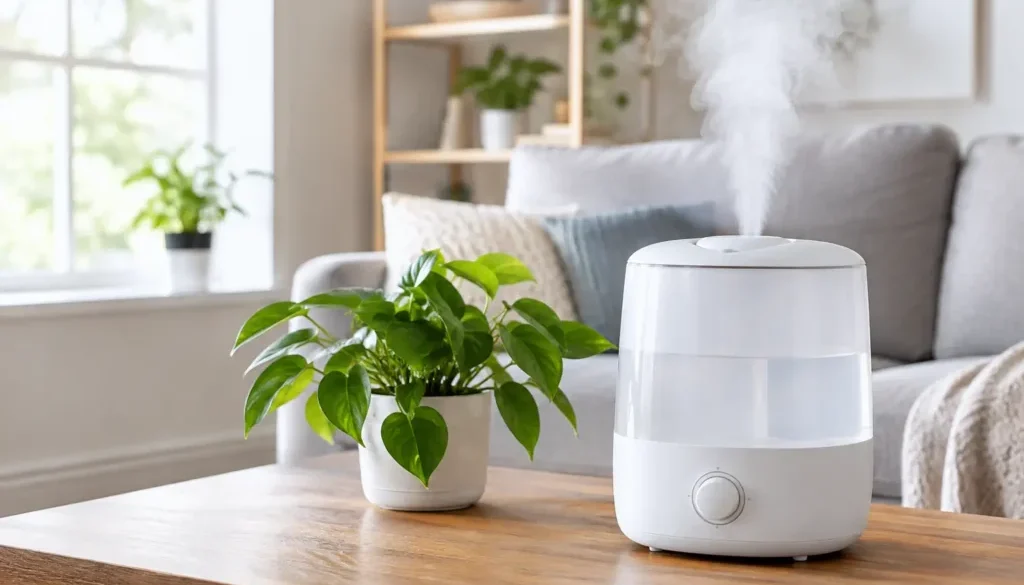
A dehumidifier can be a useful short-term tool for a bedroom, laundry or small living area. It is especially practical during wet weather, after a minor water event has been resolved, or while you gather humidity readings. Choose a model suited to the room size and empty or drain it regularly.
The trade-off is that dehumidifiers treat the air in a limited area and use electricity. They do not supply fresh air, remove cooking pollutants or address a damp subfloor. If you are emptying a large tank every day, seeing mould return, or finding condensation throughout the house, the home likely needs a more permanent ventilation assessment.
When to seek professional advice
It is sensible to arrange an assessment when condensation is recurring across multiple rooms, mould returns after cleaning, there is a persistent damp smell, or you suspect moisture beneath the floor. A good assessment considers moisture sources, airflow paths, insulation, extraction performance and the way the household uses the home.
For Melbourne and Victorian homeowners, the answer may be targeted bathroom extraction, subfloor ventilation, a decentralised unit for a problem room, or a centralised heat recovery system. Ecoflow Ventilation takes this home-specific approach because the correct solution should address the reason humidity is building up, not simply move air for the sake of it.
A dry, fresh home is rarely the result of one quick fix. Start by measuring humidity, pay attention to when and where moisture appears, and act early when the signs repeat. Small changes can make a difference, while a tailored ventilation solution can protect comfort, health and the home itself for years to come.