You usually notice poor ventilation before you understand it. The windows fog up on cold mornings, wardrobes smell musty, the bathroom stays damp long after showers, or one part of the house feels stale no matter how often you open a window. If you are wondering how to improve home ventilation, the right answer depends on why air is getting trapped, where moisture is building up, and how your home is actually used day to day.
In Melbourne and across Victoria, that matters. Our homes deal with cool winters, humid pockets, changing temperatures and a mix of older draughty houses and newer sealed homes. Both can have ventilation problems, just for different reasons. A draughty home can still hold moisture in the wrong places, while a well-insulated home can trap stale air if fresh air is not managed properly.
Why ventilation problems happen in the first place
Most homeowners think ventilation is simply about opening windows. Sometimes that helps, but it is rarely a complete solution. Ventilation is really about managing airflow in a controlled way so stale, moist indoor air can leave and fresh air can enter without making the home uncomfortable or wasting energy.
Moisture is often the main issue. Cooking, showering, drying clothes indoors and even breathing add water vapour to the air every day. If that moisture cannot escape, it settles on colder surfaces such as windows, walls and ceilings. Over time, that can lead to condensation, mould growth, musty odours and damage to paint, timber and insulation.
Air quality is the other side of the problem. Homes can hold onto dust, allergens, odours and airborne pollutants far longer than people realise. If bedrooms feel stuffy overnight or living areas never seem fresh, poor air exchange is often part of the picture.
How to improve home ventilation without guessing
The first step is to identify the pattern, not just the symptom. Condensation on bedroom windows points to a different issue than mould under the house or stale air in a tightly sealed new build. A home-specific assessment matters because ventilation is not one-size-fits-all.
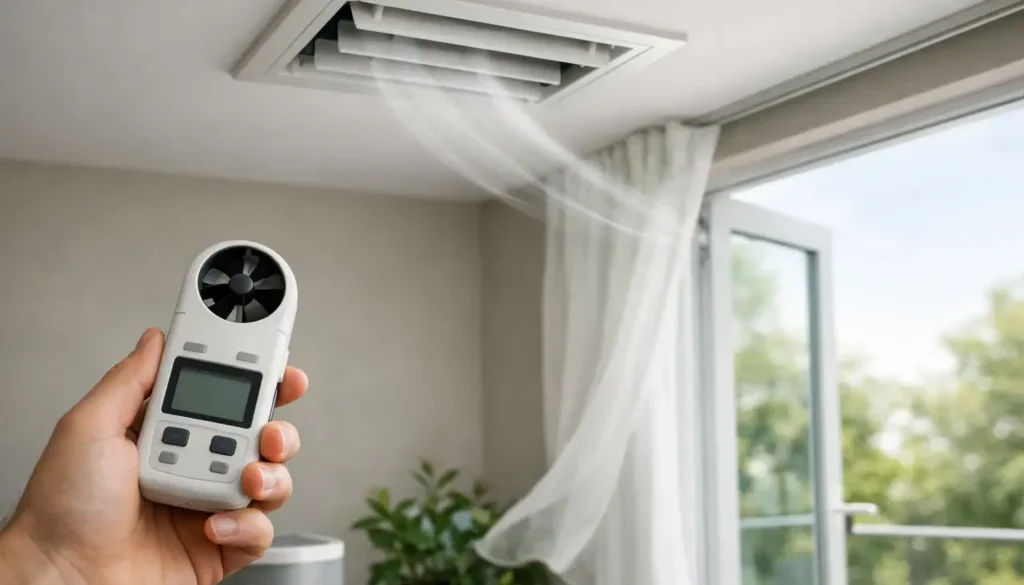
Start by looking at where moisture and stale air are most noticeable. Bathrooms, laundries, kitchens, bedrooms and subfloors are common problem areas. Then consider when the issue is worst. Is it after showers, overnight, during winter, or all year round? That timing helps determine whether the problem is localised extraction, poor whole-home airflow, trapped subfloor dampness or inadequate fresh air supply.
Simple habits can help at the margins. Using exhaust fans during showers and cooking, keeping internal doors open when appropriate, and avoiding indoor clothes drying where possible can reduce moisture load. But if condensation, mould or stale air keeps returning, the home usually needs a more reliable ventilation strategy.
Natural ventilation has limits
Opening windows is useful, especially when outdoor conditions are mild and dry. It can flush out stale air quickly and improve comfort in the short term. In older homes, it may already be doing a fair share of the ventilation work.
But natural ventilation depends on weather, security, noise, outdoor air quality and whether anyone is actually home to manage it. In winter, many households shut everything up to keep warmth in. That is exactly when condensation often gets worse. In some homes, opening windows also creates uneven comfort, lets in pollen, or simply does not move enough air through the parts of the house that need it most.
That is why mechanical ventilation is often the more effective long-term answer. It gives you controlled airflow instead of relying on chance.
The best ventilation system depends on the home
If you are researching how to improve home ventilation, it helps to understand that different systems solve different problems.
Exhaust ventilation for wet areas
In bathrooms, laundries and kitchens, good extraction is essential. These rooms generate high moisture levels in short bursts, so the priority is to remove humid air quickly at the source. A weak or poorly positioned fan often leaves steam lingering, which then spreads through the rest of the house.
Effective exhaust ventilation can make a noticeable difference, particularly in homes where condensation starts after showers or cooking. The trade-off is that extraction alone does not provide balanced fresh air throughout the home. It solves a local problem, not always a whole-house one.
Positive pressure systems
Positive pressure ventilation systems introduce filtered air into the home and gently push stale air out through leakage points and openings. They can work well in certain homes, especially where stale air and condensation are linked to poor air movement.
However, performance depends heavily on the building envelope and roof space conditions. In some properties, they are a practical solution. In others, especially where more controlled heat and moisture exchange is needed, another system type may be better suited.
Heat recovery and energy recovery ventilation
For tightly sealed homes, renovations and households wanting better air quality without sacrificing energy efficiency, heat recovery ventilation and energy recovery ventilation are often the strongest options. These systems bring in fresh air and remove stale indoor air while transferring heat between the airstreams. That helps maintain comfort and reduce wasted heating or cooling.
Energy recovery systems can also help manage humidity more effectively in some conditions, which can be valuable in homes with persistent moisture concerns. They are typically a more advanced solution, and system design matters. Duct layout, room usage and airflow balancing all affect results.
Centralised and decentralised systems
A centralised system serves multiple rooms from a single integrated setup, which can be ideal for new builds or major renovations where access is easier. It offers whole-home control and a clean, consistent result when designed properly.
A decentralised system uses individual room-based units and can be a smart option in existing homes where full ducting is not practical. It allows targeted improvement in the rooms that need it most. That flexibility is useful, but it still needs a considered plan so airflow works across the home rather than in isolated patches.
Subfloor ventilation
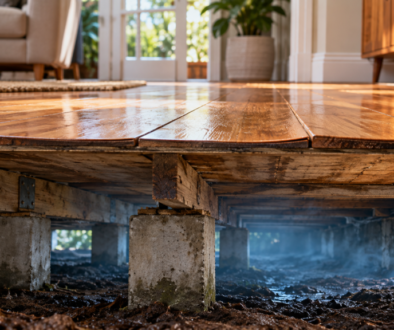
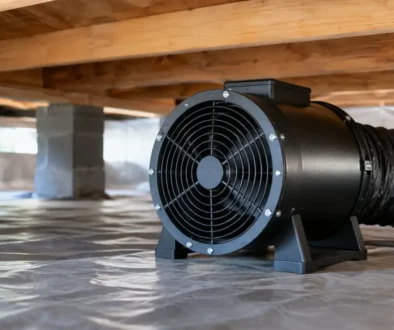
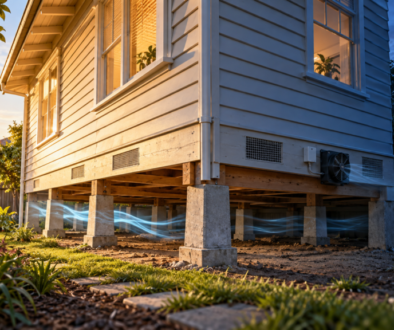
If the house smells damp from below, floors feel clammy, or mould and moisture issues persist despite ventilation upstairs, the subfloor may be contributing to the problem. Subfloor ventilation is designed to move moist, stagnant air out from beneath the home and reduce the conditions that support dampness, odour and timber deterioration.
This is especially relevant in older Victorian homes with suspended timber floors. It is not a substitute for internal ventilation, but in the right home it can be a crucial part of the overall solution.
Good ventilation should improve comfort, not just airflow
The goal is not simply to move more air. It is to create a healthier, drier and more comfortable indoor environment. A system that is too noisy, poorly balanced or oversized can be frustrating to live with. One that ignores heat retention may improve air exchange but make the house harder to keep comfortable.
That is why professional design matters. The best result comes from matching the system to the layout of the home, the number of occupants, insulation levels, moisture sources and how the household actually lives. A family of five in a sealed new build has different needs from a couple renovating an older weatherboard with subfloor dampness.
Signs it is time to go beyond DIY fixes
If windows regularly drip with condensation, mould keeps returning after cleaning, certain rooms smell stale, or allergy symptoms feel worse indoors, it is usually time to look beyond temporary measures. The same applies if you are planning a renovation or building a new home and want to avoid moisture and air quality issues from the start.
Mechanical ventilation works best when it is planned early, but existing homes can absolutely be improved as well. In many cases, a tailored upgrade delivers better results than trying a series of small fixes that never quite solve the root problem.
For Melbourne homeowners, local conditions matter too. Climate, housing style and occupancy patterns all affect what will work well over time. That is why a consultative approach is often far more valuable than choosing a system based on a brochure or a general online recommendation.
Ecoflow Ventilation works with homeowners across Melbourne and greater Victoria to assess these differences properly and recommend systems that suit the home, not just the category of product.
A healthier home usually feels different before it looks different. The air is fresher in the morning, bathrooms dry faster, bedrooms feel less stuffy, and condensation stops becoming part of the daily routine. That is the real value of better ventilation – not more gadgets, but a home that supports comfort, wellbeing and long-term durability every day.