If your windows are dripping in winter, certain rooms always feel stuffy, or mould keeps returning no matter how often you clean it, the real issue may be the air movement in your home. So, what is home ventilation system meant to do? In simple terms, it is a designed way to move stale, moisture-laden indoor air out and bring fresher air in, so your home stays healthier, drier and more comfortable.
That sounds straightforward, but in practice, home ventilation is often misunderstood. Many Melbourne homeowners assume opening a window now and then is enough. Sometimes it helps, but it is not the same as a properly designed system that works consistently through changing weather, different room layouts and the way your household actually lives.
What is a home ventilation system?
A home ventilation system is a mechanical solution that manages airflow throughout a house. Its job is to remove indoor pollutants, excess humidity, odours and stale air, while supplying fresh air where it is needed. Depending on the type of system, it may also recover heat, transfer warmth between rooms, or help regulate internal moisture levels more efficiently.
In modern homes especially, ventilation matters because buildings are more airtight than they used to be. That is good for energy efficiency, but it can trap moisture, condensation, allergens and indoor contaminants. In older homes, the issue can be different. They may have uncontrolled drafts in some areas but still suffer from poor airflow in bathrooms, bedrooms, roof spaces or subfloors.
A proper ventilation system is designed to solve those problems in a controlled way. Rather than relying on chance airflow, it creates a repeatable pattern of air movement that suits the home.
Why ventilation matters in Melbourne homes
Melbourne homes deal with a wide mix of conditions. Cold mornings, damp winters, humid periods and tightly closed homes during heating season can all contribute to moisture build-up. That moisture often shows up as condensation on glazing, musty smells in wardrobes, peeling paint, or mould around ceilings and window frames.
Poor indoor air quality is not always visible either. Cooking fumes, cleaning products, dust, pet dander and carbon dioxide from everyday living can build up indoors. For families with asthma, allergies or respiratory sensitivities, that can affect comfort in a very real way.
Good ventilation helps by reducing that build-up before it becomes a larger health or property issue. It can also improve how a home feels day to day. Bedrooms feel fresher. Wet areas dry more effectively. Living spaces are less stale. The difference is often noticed in comfort before people even think about the technical side.
How a home ventilation system works
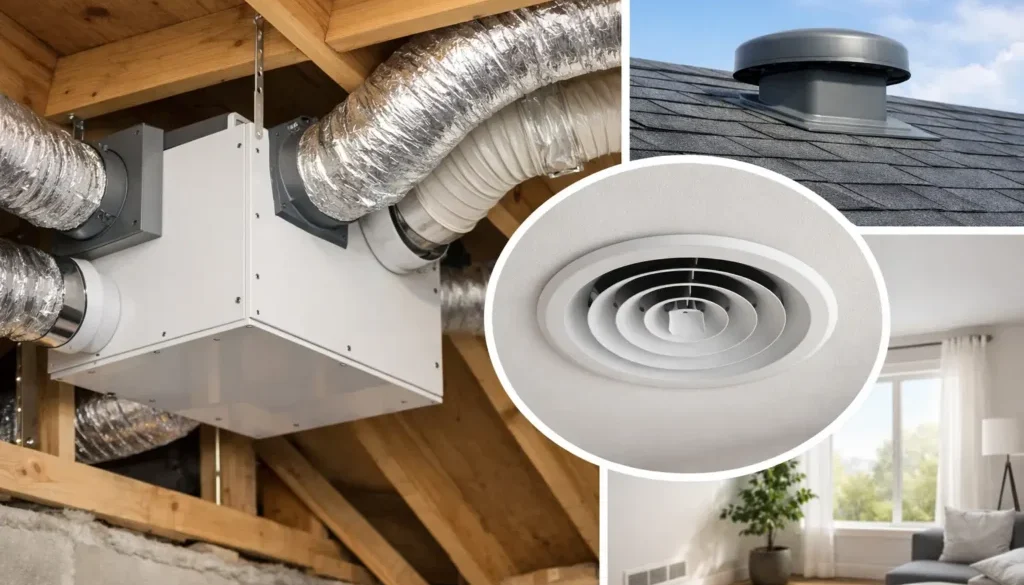
At the simplest level, a ventilation system moves air from one place to another using fans, ducts, vents or individual wall-mounted units. Most systems are designed around one of two goals, or sometimes both. The first is extracting unwanted air from damp or polluted areas such as bathrooms, laundries and kitchens. The second is supplying filtered fresh air into living areas and bedrooms.
Some systems work continuously at a low rate, which helps maintain consistent air quality and humidity control. Others respond to conditions such as moisture levels or occupancy. More advanced systems can recover heat from outgoing air, which means they improve ventilation without throwing away as much warmth in winter.
That matters because ventilation should not come at the cost of comfort. A well-designed system aims to strike a balance between fresh air, indoor temperature and energy use.
Types of home ventilation systems
There is no single answer that suits every house, which is why the right system depends on the building, the occupants and the problem being solved.
Positive pressure ventilation
A positive pressure system introduces filtered air into the home, creating gentle pressure that pushes stale air out through natural leakage points. It can be effective in some homes, particularly where stale indoor air and condensation are ongoing concerns. However, results depend heavily on the home’s airtightness, ceiling space and overall design.
Heat recovery and energy recovery ventilation
Heat recovery ventilation, often called HRV, extracts stale air and brings in fresh air while transferring heat from the outgoing air stream to the incoming one. Energy recovery ventilation, or ERV, does something similar but can also help manage moisture transfer. These systems are often well suited to more airtight homes, new builds and renovation projects where energy efficiency and comfort are both priorities.
Centralised ventilation systems
A centralised system uses ducting to serve multiple rooms from a single unit. This can be a strong option when whole-of-home ventilation is needed and there is enough space to install ductwork. It offers consistency, but installation complexity can be higher in existing homes.
Decentralised ventilation systems
A decentralised system uses individual units in specific rooms or zones rather than one ducted network. This can be ideal in renovations, apartments, or homes where retrofitting ducting is difficult. It can also allow a more targeted response to localised moisture or airflow issues.
Heat transfer systems
These systems move warm air from one part of the home to another, often from a room with a heater or high solar gain into cooler areas. They do not replace fresh air ventilation, but they can improve comfort and help distribute warmth more evenly.
Subfloor ventilation
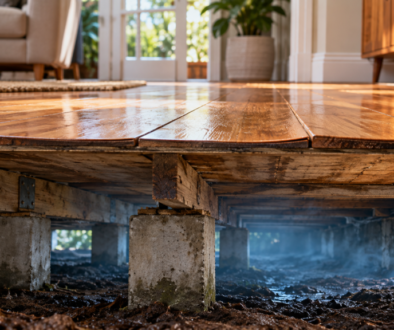
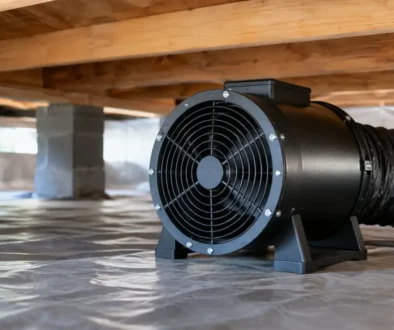
Where homes have damp subfloor spaces, dedicated subfloor ventilation helps remove moisture-laden air from beneath the house. This can reduce musty odours, improve the condition of timber flooring and lower the risk of mould and damp-related damage.
What is home ventilation system design based on?
This is where many homeowners get caught out. A ventilation system is not just a product. It is a design decision.
The right approach depends on the size and layout of the home, where moisture is being generated, how airtight the building is, whether there is existing mould, how many people live there, and whether the project is a new build, renovation or retrofit. Roof space, wall construction and access for ducting also matter.
For example, a family living in an older weatherboard home with recurring condensation may need a very different solution from a couple building a tightly sealed new home. One house may benefit from decentralised room-by-room ventilation. Another may be better suited to a central heat recovery system. Sometimes the best outcome involves solving a subfloor or bathroom extraction issue first, rather than installing a whole-home system immediately.
That is why a one-size-fits-all recommendation rarely delivers the best result.
The benefits of a properly designed system
When a home ventilation system is matched to the property, the benefits tend to show up in practical ways. Indoor air feels fresher and less stale. Condensation is reduced. Moisture levels are better controlled. Mould risk can be lowered. Wet areas dry faster. Bedrooms and living areas often feel more comfortable, particularly overnight and during winter.
There can also be long-term benefits for the home itself. Excess moisture does not just affect comfort. It can contribute to mould growth, damage paint finishes, affect joinery and create persistent damp smells. Better ventilation helps protect the condition of the building as well as the people living in it.
For many households, the health side is just as important. Cleaner, better-managed air can support a healthier indoor environment, especially for children, older occupants, and anyone sensitive to allergens or poor air quality.
Common misunderstandings about home ventilation
One common belief is that ventilation simply means making the house colder. A poorly planned system can do that, but a properly selected one does not have to. Systems with heat recovery are specifically designed to improve fresh air exchange while limiting heat loss.
Another misunderstanding is that exhaust fans alone are enough. In some cases they are part of the solution, but extraction without a broader airflow strategy may not address stale air throughout the rest of the home.
It is also common to assume that mould is always a cleaning problem. Often, it is an airflow and moisture problem first. If the conditions remain the same, mould usually returns.
When should you consider a ventilation system?
If you regularly notice condensation on windows, lingering odours, damp wardrobes, mould spots, humid bedrooms, musty subfloors or rooms that never seem to feel fresh, it is worth looking at ventilation. The same applies if you are renovating, building, or trying to improve indoor air quality for allergy or asthma reasons.
This is particularly relevant in homes that have been upgraded with better insulation and draught sealing. Those improvements are valuable, but as homes become more airtight, planned ventilation becomes more important, not less.
For homeowners across Melbourne and greater Victoria, the best next step is usually not choosing a product online. It is understanding what your home actually needs. That is where a consultative approach makes a difference, because the right system is the one that solves your specific moisture, airflow and comfort problems without creating new ones.
A healthier home rarely comes from guesswork. It starts with air moving the way it should.