A Zehnder system review needs to start with the problem it is designed to solve: a home can be closed up, comfortable and energy-efficient, yet still hold onto moisture, stale air, odours and pollutants. For Melbourne homeowners dealing with condensation on windows, recurring mould or rooms that never feel fresh, a well-designed heat recovery ventilation system can make a meaningful difference.
Zehnder is a premium name in whole-home mechanical ventilation, particularly heat recovery ventilation, often called HRV. Its systems are not simply extraction fans. They are designed to supply filtered outdoor air to living spaces while removing humid, stale air from wet areas such as bathrooms, laundries and kitchens. In the right home, this creates more consistent air exchange without throwing away as much heating or cooling energy as open windows or basic exhaust fans.
The key phrase is “in the right home”. Zehnder systems are highly capable, but the best result depends on the building, the cause of the moisture issue, the available ceiling or roof space, and how carefully the system is designed and commissioned.
What a Zehnder system does differently
A conventional bathroom fan turns on when someone showers, then often switches off before the moisture has fully cleared. A Zehnder whole-home system works continuously at a low, controlled rate. It removes air from moisture-producing areas and supplies filtered, tempered fresh air to bedrooms and living areas.
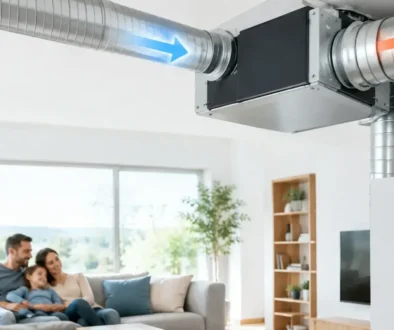
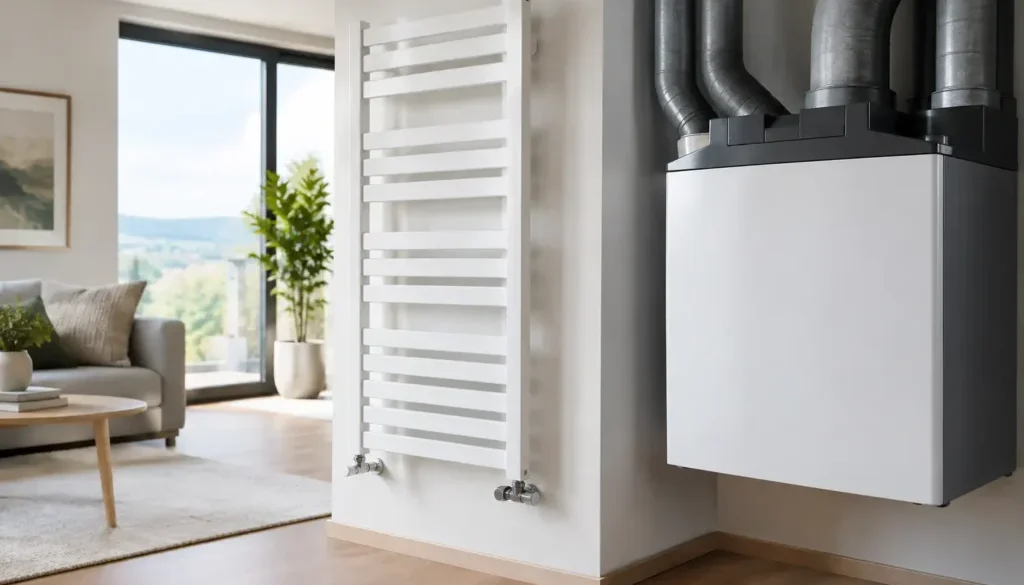
Inside a heat recovery unit, heat from the outgoing stale air is transferred to the incoming outdoor air through a heat exchanger. The two air streams remain separate. This means a home can receive fresh air in winter without bringing in outdoor air at its full cold temperature, and in summer the system can help reduce the heat load from incoming air when conditions suit.
For households, the practical benefits are usually felt as fewer lingering bathroom smells, less window condensation, drier air after showers, and bedrooms that feel fresher in the morning. For people sensitive to pollen, dust and outdoor pollution, filtration can also be a valuable part of the system.
Zehnder system review: the strongest points
Zehnder has built its reputation around controlled, balanced ventilation rather than a quick-fix approach. That matters in homes where moisture and air quality are connected to the way the entire building performs.
Consistent, balanced air movement
The major advantage of a balanced system is that it both extracts and supplies air. Rather than relying on uncontrolled gaps around doors, windows and building materials for replacement air, it deliberately brings air into the home where it is wanted.
This can be particularly beneficial in newer, more airtight homes. These homes are often excellent at retaining heat but can be more prone to trapped humidity if ventilation has not been considered properly. It can also help renovated homes where new windows, insulation and draught sealing have changed how the building breathes.
Heat recovery supports everyday comfort
Opening windows is useful when the weather and security allow it, but it is not always practical during a cold Melbourne morning, on a high-pollen day, or when the house is empty. Heat recovery ventilation offers a controlled alternative that operates year-round.
It does not replace heating or air conditioning. A Zehnder system is a ventilation solution first. However, by recovering energy from exhaust air, it can reduce the heating and cooling penalty associated with bringing in fresh air. This is especially relevant in well-insulated homes where the aim is to keep indoor temperatures stable.
Filtration for cleaner incoming air
Depending on the selected filters and system design, incoming air can be filtered before it reaches bedrooms and living spaces. This can reduce the amount of dust, pollen and airborne particles entering through normal ventilation pathways.
For families managing allergies or asthma, cleaner supply air can be a genuine benefit. It is not a medical treatment, and no ventilation system can remove every indoor trigger, but it can form part of a healthier indoor-air strategy alongside moisture control, regular cleaning and appropriate heating.
Quiet operation when designed properly
A common concern is noise. Premium ducted systems can be very quiet at normal operating speeds, but quiet performance is not automatic. It depends on correct duct sizing, sensible grille placement, airflow balancing and an appropriate location for the unit.
A poorly designed system can create air noise at grilles or transfer noise through ductwork, regardless of brand. This is one reason system design and installation quality should carry as much weight as the equipment itself.
Where a Zehnder system makes the most sense
Zehnder systems are often a strong fit for new builds, major renovations and high-performance homes. These projects make it easier to plan duct runs, locate the unit, provide access for filters and coordinate ventilation with insulation, windows and heating or cooling.
They can also work in existing homes, although retrofitting requires more investigation. Roof cavity space, access between floors, heritage features, bulkhead requirements and the layout of wet areas can all affect the scope and cost. In some homes, decentralised heat recovery units or a targeted extraction strategy may be more practical.
If mould keeps returning in several rooms, windows are sweating through winter, or the home feels stuffy even when it is clean, a whole-home balanced system may be worth assessing. If the problem is limited to one poorly ventilated bathroom, a correctly sized and ducted exhaust fan may be the more proportionate solution.
The limitations to understand before choosing Zehnder
A premium ventilation system is not a substitute for fixing water leaks, rising damp, plumbing faults or drainage problems. If moisture is entering through the building structure, ventilation may reduce indoor humidity but will not resolve the source of the water.
It is also not an air conditioner or dehumidifier. Heat recovery can moderate the temperature of incoming air, but it does not actively cool a house on a hot day in the same way refrigerated air conditioning does. Likewise, it can help control everyday humidity loads, yet a home with a serious moisture source may need building repairs or additional moisture-management measures.
Cost is another real consideration. A ducted Zehnder system is typically a larger investment than basic extraction or positive-pressure ventilation because it involves a heat recovery unit, ductwork, grilles, controls, installation and commissioning. The value is clearest where the home needs whole-house fresh-air management, energy efficiency and long-term moisture control rather than a single-room fix.
Ongoing care is straightforward but necessary. Filters need to be checked and replaced at suitable intervals, external grilles should remain clear, and the unit needs periodic servicing. Ignoring maintenance can reduce airflow, affect filtration and undermine the performance homeowners expect.
Why design matters more than a brand name
A Zehnder unit can be excellent equipment, but it cannot compensate for an unsuitable design. The first step should be identifying what is happening in the home: where moisture is produced, where mould appears, how air currently moves, whether there is adequate roof space, and whether the building has other defects.
A considered design then sets airflow rates for each room, separates supply and extract points, selects practical duct routes and makes sure the system can be maintained. Commissioning is equally important. Airflows should be measured and balanced rather than assumed, so wet areas extract effectively and living areas receive the intended supply of fresh air.
For homeowners in Melbourne and across Victoria, climate variation adds another reason to avoid one-size-fits-all advice. A draughty older weatherboard home, a tightly sealed townhouse and a new high-performance build can all experience condensation, but the right solution may be different in each case. Ecoflow Ventilation assesses the home as a system before recommending whether Zehnder, another mechanical ventilation approach or targeted upgrades are the better fit.
Is Zehnder worth considering?
Zehnder is worth considering when you want a premium, whole-home approach to fresh air, humidity control and energy-conscious ventilation. It is particularly compelling for new homes and substantial renovations where the ductwork can be planned early, and for households seeking a quieter, more controlled alternative to relying on open windows and intermittent fans.
It may be more than you need if the issue is a single bathroom fan, an isolated subfloor moisture problem or a leak that has not been repaired. The best investment is the one that addresses the actual cause of dampness and gives your household a practical system it can maintain.
A healthier home is rarely created by one product alone. It comes from finding the moisture source, improving airflow where it matters, and choosing ventilation that suits the way your home is built and lived in.