A ventilation unit can look excellent on a specification sheet and still disappoint if it is fitted in the wrong room, set up poorly or expected to solve a moisture problem it was not designed to address. That is the right lens for reading STIEBEL ELTRON reviews. The brand is well regarded for engineered, energy-conscious home comfort products, but the result in your home depends on both the equipment and the ventilation design behind it.
For Melbourne and Victorian homeowners dealing with condensation, stale bedrooms, mould-prone corners or humid bathrooms, the useful question is not simply whether STIEBEL ELTRON is a good brand. It is whether a particular system suits the home, the moisture source and the way your family lives in it.
STIEBEL ELTRON reviews: what homeowners commonly value
STIEBEL ELTRON is a long-established German manufacturer with a broad focus on efficient home technologies, including ventilation, hot water and heating products. In residential ventilation, its appeal is generally centred on build quality, heat recovery capability and thoughtful engineering for homes where controlled fresh air matters.
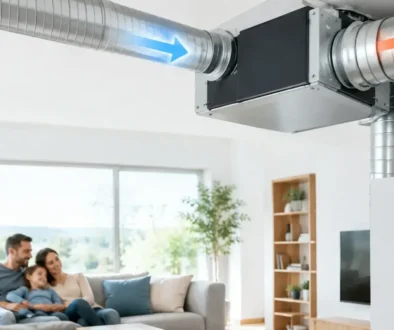
Homeowners and installers often respond positively to the principle behind decentralised heat recovery ventilation. Rather than relying on open windows for fresh air, a compact unit can continuously exchange stale indoor air for filtered outdoor air while recovering much of the warmth that would otherwise be lost. This is especially attractive through a Melbourne winter, when opening windows for long periods can make living spaces uncomfortably cold.
A decentralised approach can also be practical in existing homes. There may be no need for extensive ceiling ductwork or a large central unit, which can make it a sensible option for renovations, apartments and rooms that consistently feel stuffy. Bedrooms, studies and living areas can be addressed individually, provided the overall airflow plan is sound.
The other recurring positive is that quality ventilation is designed to work quietly at its normal operating level. When occupants notice air feels fresher and window condensation is reduced without constantly noticing the equipment, that is often a sign the system has been selected and commissioned well.
The benefits need to be judged in context
A heat recovery ventilator is not a dehumidifier, nor is it a cure for every kind of dampness. This distinction matters when comparing STIEBEL ELTRON reviews, because expectations can vary widely from one home to the next.
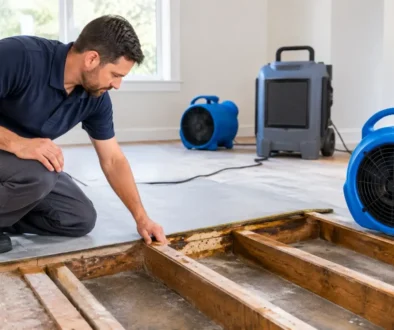
If a bathroom has inadequate extraction, a laundry is regularly drying clothes indoors, or there is a roof leak, high indoor humidity may persist until those underlying issues are addressed. Likewise, musty air and damp timber beneath a house usually point to a subfloor moisture problem. A wall-mounted room ventilator upstairs is unlikely to resolve poor underfloor ventilation.
A properly planned ventilation system can reduce the conditions that allow condensation and mould to develop by removing moist, stale air and bringing in filtered fresh air. However, it works best alongside effective kitchen and bathroom extraction, sensible moisture management and appropriate building maintenance. Homes with very high occupancy, frequent showers, gas cooking or limited natural ventilation often need a more carefully calculated solution than a single unit can provide.
Heat recovery is a genuine advantage, with conditions
For many homeowners, heat recovery is the reason to consider a premium ventilation brand. In simple terms, the system transfers heat between outgoing and incoming air streams. Fresh air can enter closer to indoor temperature, reducing the heating penalty normally associated with ventilation.
That can make a marked difference to winter comfort in a sealed or recently renovated home. It can also support lower energy use when compared with relying solely on open windows, although actual savings depend on the home’s insulation, airtightness, heating system, household habits and the selected airflow rate.
There is a trade-off. Heat recovery ventilation needs regular airflow to provide its best indoor air quality benefit. Turning a system off whenever the weather changes may undermine the very purpose of controlled ventilation. It is generally better to use the appropriate normal setting and higher boost settings when moisture loads rise, such as during showers or when guests are staying.
Summer performance also deserves realistic expectations. Ventilation can improve freshness and remove indoor pollutants, but it is not air conditioning. On a hot Victorian afternoon, outdoor air may not provide cooling. The value is still in purposeful air exchange, filtration and reduced reliance on random window opening, particularly where traffic noise, pollen or security are concerns.
Noise, filters and maintenance: the practical parts of ownership
No mechanical ventilation system is entirely silent. Fan noise, air movement and external conditions all influence what you hear. A high-quality unit operating at a low or standard rate should be discreet in a suitable location, but a boost setting will be more noticeable. Bedrooms require particularly careful product selection and installation, as people have very different sensitivities to sound at night.
Placement matters as much as the quoted sound data. A unit installed close to a bedhead, in a hard reflective room or through a poorly finished wall opening may be more intrusive than expected. This is one reason online reviews can conflict. Two owners may have the same product but entirely different installation details.
Filters are another ownership consideration, not an optional extra. They help limit dust, outdoor particles and insects entering through the ventilation system, but they need inspection and replacement or cleaning in line with the manufacturer’s guidance. Homes near busy roads, construction activity, bushfire-prone areas or high-pollen vegetation may need more frequent attention.
Maintenance is usually straightforward, but it should be budgeted for. A ventilation system is intended to run for long periods, so blocked filters and neglected components can affect airflow, noise and efficiency. The best installation includes clear advice on how to operate the controls, when to use boost mode and what maintenance the homeowner can safely manage.
Installation quality shapes the review you will write
It is tempting to treat a decentralised ventilation unit as a simple appliance. In reality, wall location, airflow direction, electrical access, weather protection, external appearance and internal room use all need consideration.
A system should be designed around where fresh air is needed and where moisture or pollutants are generated. For example, supplying fresh air to bedrooms and living spaces while extracting from wet areas is often more effective than adding units wherever a wall happens to be convenient. In an older weatherboard or brick home, the wall construction and external finish can also influence the installation approach.
The system must then be commissioned properly. Airflows, controls and operating modes need to be checked, rather than assuming a unit set to maximum will deliver the best result. Excessive airflow can create unnecessary noise and energy use, while insufficient airflow may leave condensation and stale air unchanged.
This is where a home-specific assessment is valuable. Ecoflow Ventilation considers the whole property: room layout, occupancy, mould history, heating, moisture sources and whether the concern is inside the living area, in the roof space or beneath the floor. That helps prevent a quality product being asked to do the wrong job.
When STIEBEL ELTRON may be a strong fit
STIEBEL ELTRON ventilation can be worth considering for homeowners who want engineered, energy-efficient ventilation and who place value on heat recovery, controlled fresh air and a discreet long-term solution. It may be particularly suitable in airtight renovations, newer homes with recurring window condensation, bedrooms that feel stale overnight, and properties where full ducted ventilation is impractical.
It may be less suitable as a stand-alone answer where the dominant issue is a wet subfloor, active water ingress, major building leaks or severe bathroom extraction failure. Those problems require targeted investigation first. Similarly, a whole-home centralised heat recovery system may be a better choice for a new build or extensive renovation where ductwork can be incorporated from the outset.
Price is also part of the decision. Premium ventilation equipment and professional installation can cost more than basic exhaust fans or positive pressure systems. The comparison should include more than the initial figure: consider energy use, noise, filtration, winter comfort, expected maintenance and the likelihood that the system actually addresses your household’s concerns.
A useful review is not one that promises a miracle. It is one that explains how the system changed the home: less morning condensation, fresher bedrooms, fewer damp smells, improved comfort and a clearer routine for managing moisture. Before choosing any STIEBEL ELTRON system, start with the cause of the problem and a ventilation plan that gives the technology a fair chance to perform.